


Our official Residence, Hill House, is aptly named. Perched atop a hill, it offers sweeping views of Pretoria’s beauty—reminding us how a vista can capture the essence of a place, its culture, history, and people. In the same spirit, the art in our residence reflects the beautiful tapestry of the American landscape, evoking not only physical locations but the ideals that shape us.
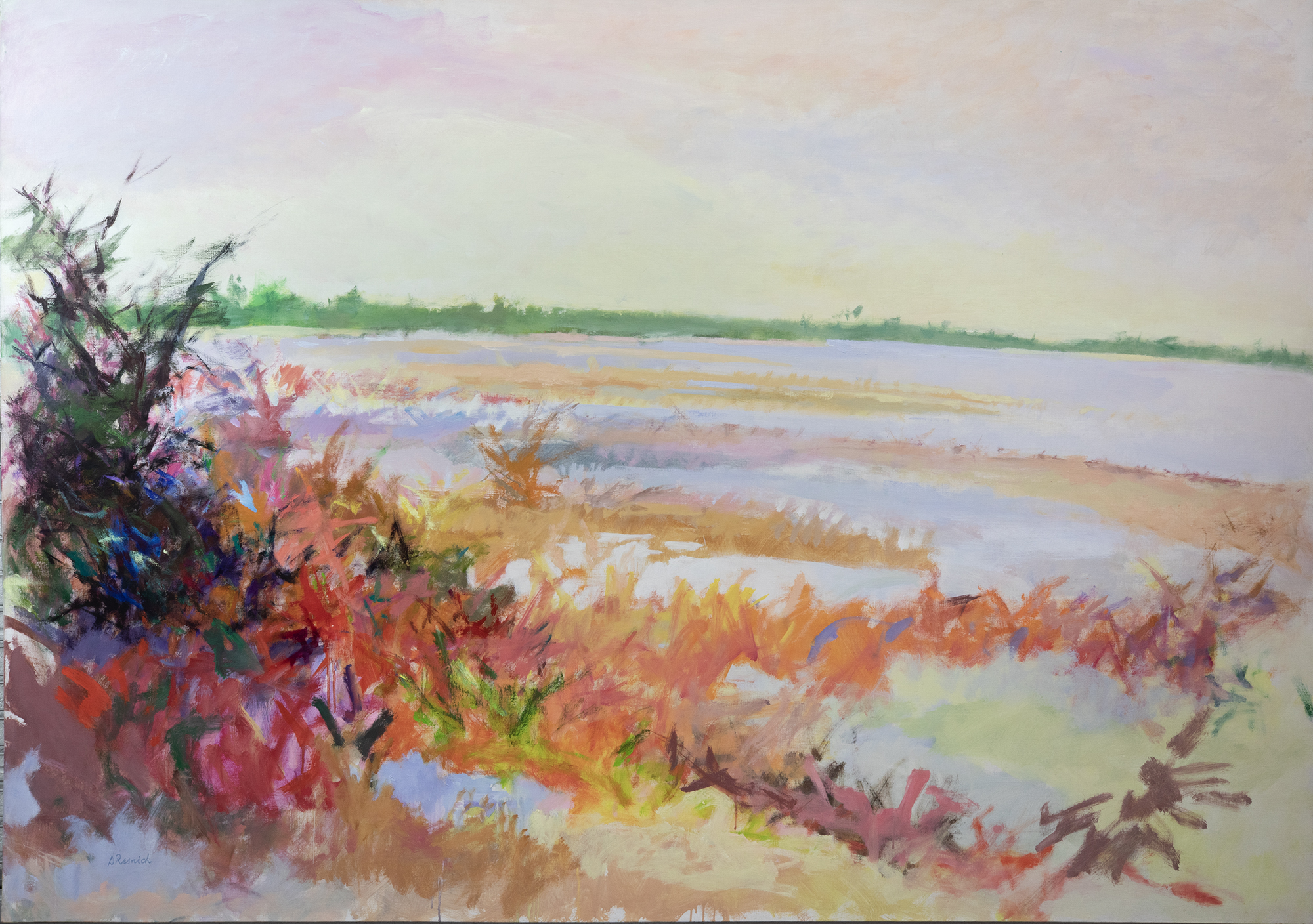
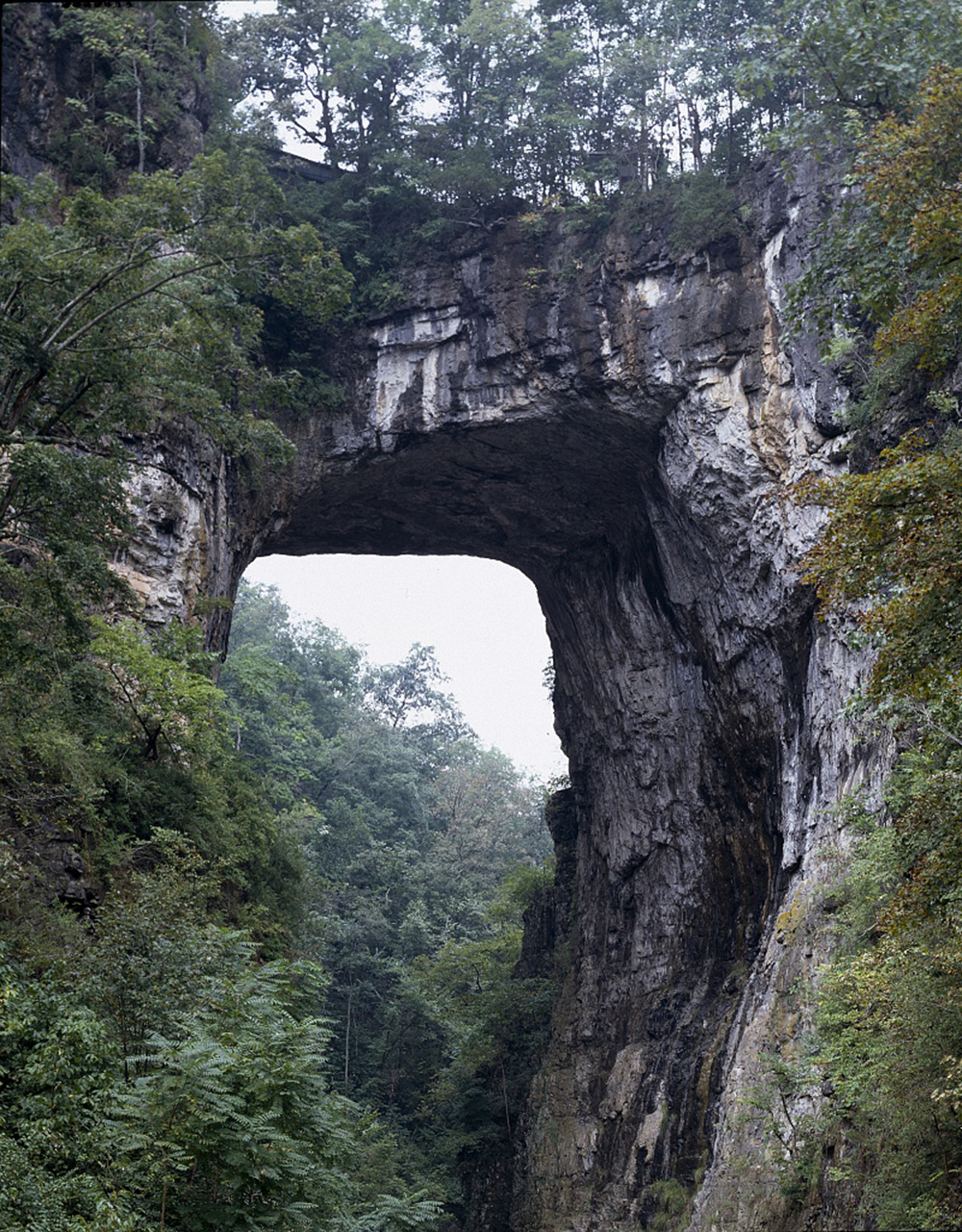
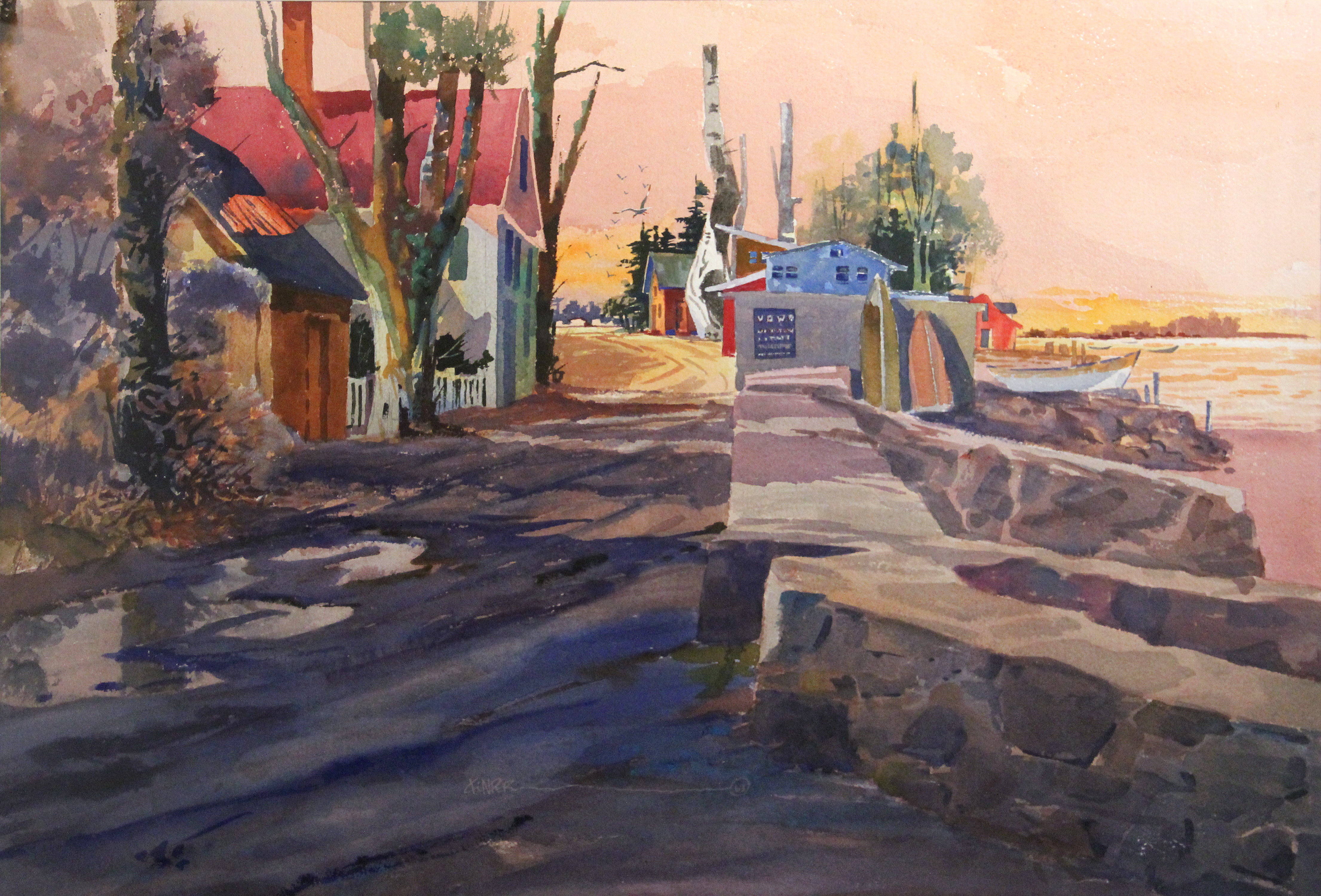
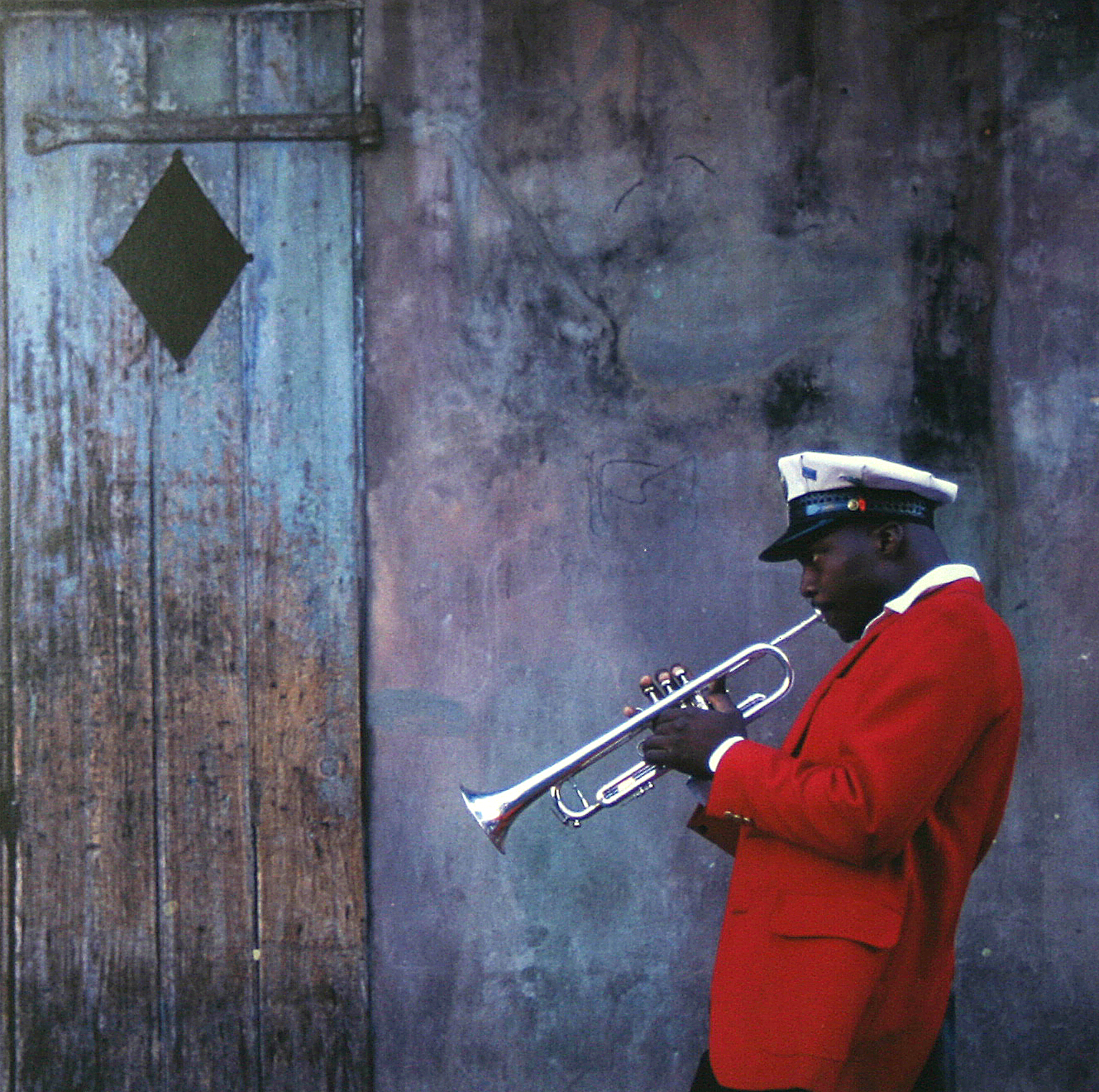
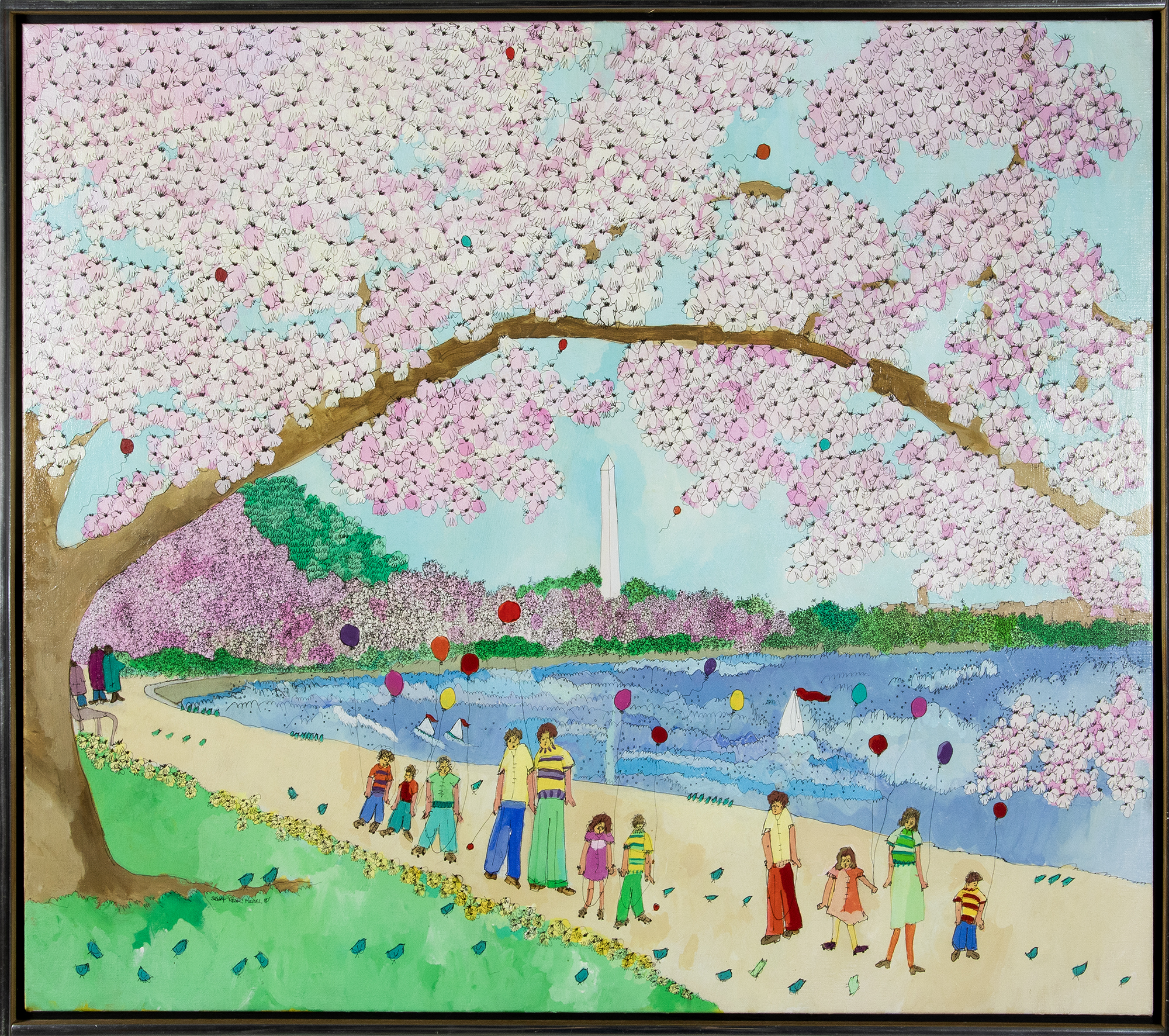
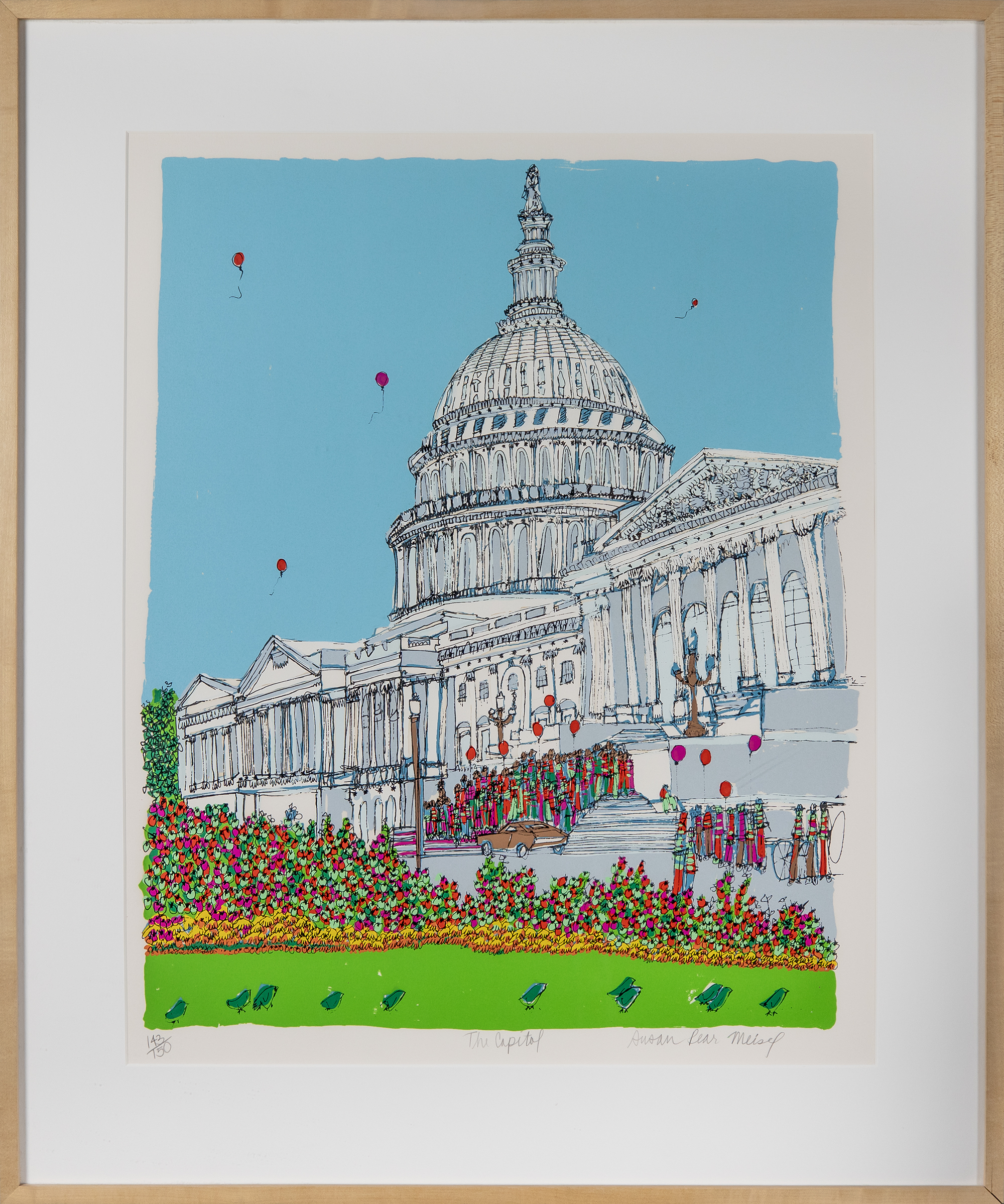
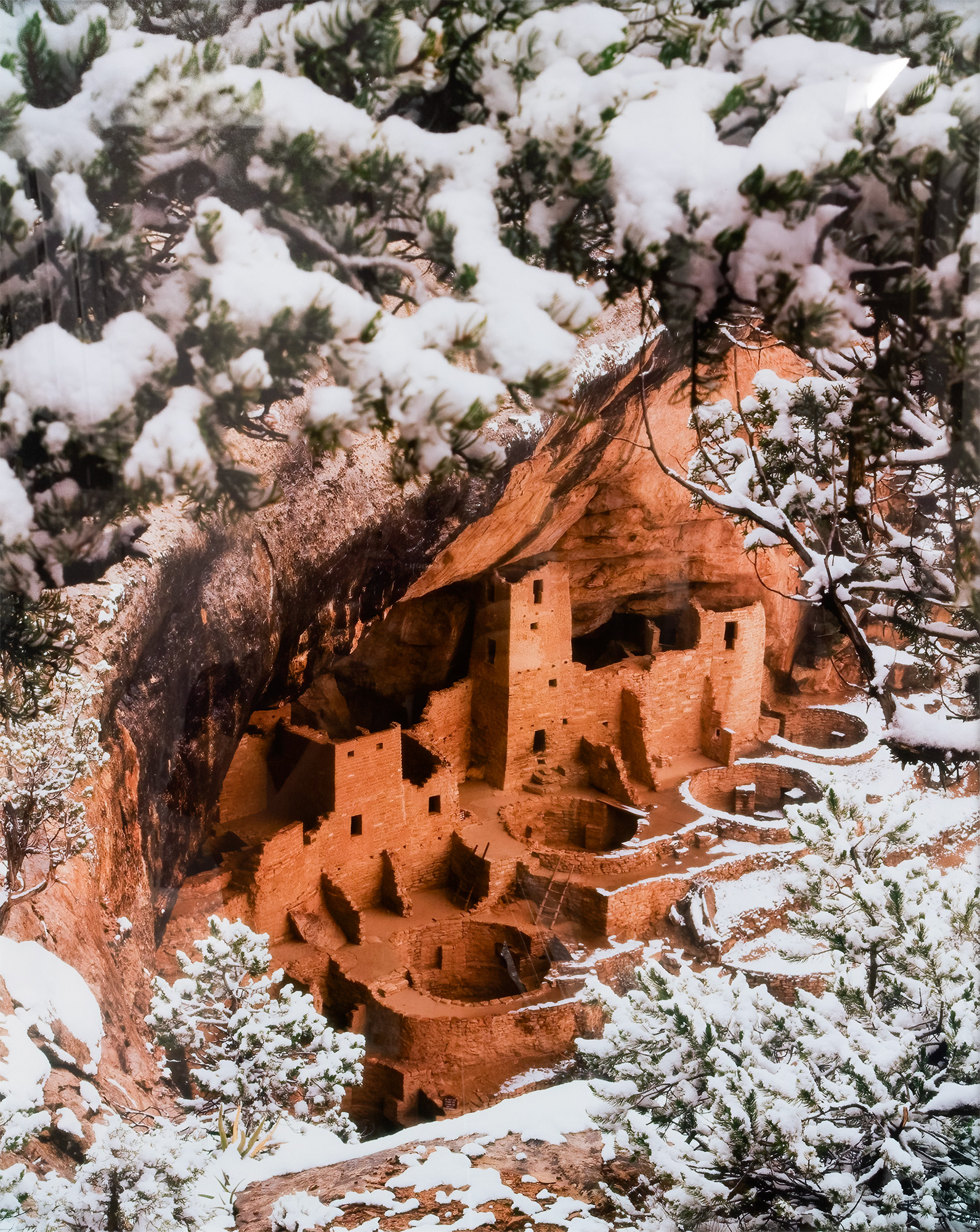
The exhibition highlights the vibrancy of American cities, such as Washington, D.C., in three works by Susan Pear Meisel. It conveys the warmth of our people and culture through Bob Krist’s lively New Orleans street scene. It also showcases America’s natural beauty, from Don Resnick’s wetlands to Carol Highsmith’s striking photograph of a natural bridge in Virginia. Our sense of community is reflected in both contemporary and historic settings—from Hal Kinder’s seaside village in One Sunday Morning to David Muench’s photograph of the Mesa Verde Cliff Dwellings.
This exhibition mirrors America itself: eclectic, wide-ranging, and dynamic. Each work is distinct, yet seen collectively, they form a unified story—one shaped by a shared belief in the American Dream.
Ambassador L. Brent Bozell III
Pretoria, South Africa
Painter and watercolorist Gifford Beal gained national recognition in the early twentieth century for his gentle, warmly lit depictions of American landscapes and urban views. Born into a prominent New York family, Beal began his artistic training as a teenager with summer courses led American impressionist William Merritt Chase. Under Chase’s tutelage, Beal mastered the impressionist technique of documenting the transient effects of light and atmosphere, an approach that continued to shape his work as style and subject matter evolved from austere seascapes featuring monumental figures to dynamic views of New York’s freight yards. Friend and fellow painter Barry Faulkner said Beal’s work showed “the eternal pleasures of work and leisure, the casual enjoyable incidents which add so much to life’s richness.”
His work attracted early attention, and by age twenty-two he was exhibiting nationally. Beal’s work can be found in some of the nation’s most esteemed collections, including the Metropolitan Museum of Art, New York; the Art Institute of Chicago; and the Nelson-Atkins Museum of Art, Kansas City, Missouri.
Carol M. Highsmith has photographed landscapes, architecture, rural and urban areas, and everyday people across the United States, including the District of Columbia and Puerto Rico. Her work documents the built environment alongside the people who move through it, from historic sites such as Ellis Island in New York Harbor to the ordinary street scenes. She has donated more than 100,000 copyright-free images to the Library of Congress for public use. Taken together, these images form an ongoing record of twenty-first-century American life, a project she has pursued over decades.
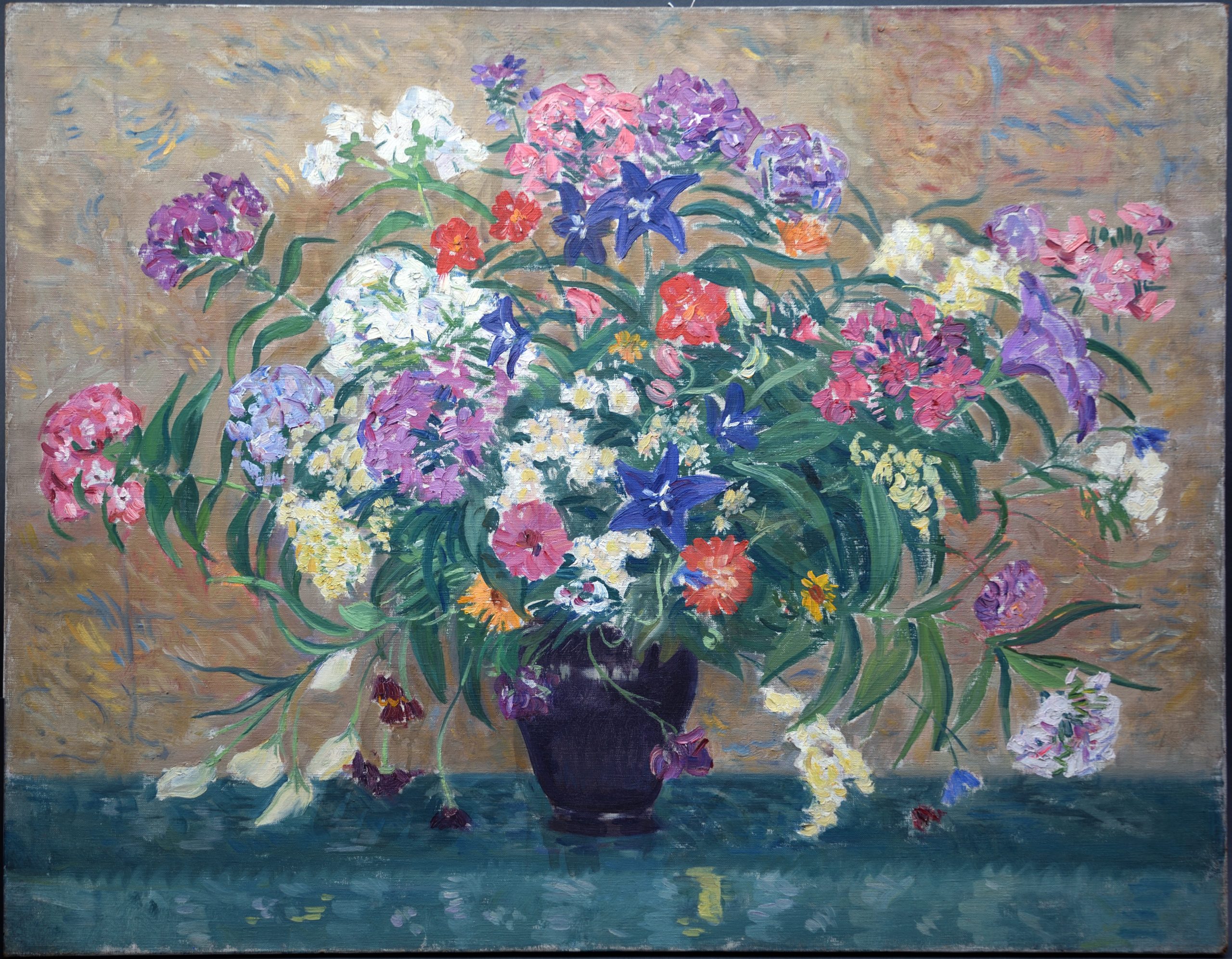
American illustrator and commercial artist Harold “Hal” Kinder was known for his picturesque oil and acrylic landscape paintings of hunting scenes and marina life. After graduating from the Cleveland School of Art in Ohio (now the Cleveland Institute of Art) in 1948 and Chouinard Art Institute (now the California Institute of the Arts), Kinder pursued a commercial career, serving as an art director for advertising agencies in Los Angeles, California, and Toledo, Ohio. He was later appointed creative director and illustrator in the graphic division of Techway Hall Designers, Inc. in New York.
Kinder was active in the Toledo art community, regularly contributing to annual exhibitions from 1958 to the early 1970s.
Bob Krist is a freelance photographer and filmmaker whose work has appeared in numerous publications such as National Geographic, National Geographic Traveler, Smithsonian, and Islands. His practice centers on travel and visual storytelling, with a focus on documenting places through landscape, architecture, and everyday life. He is also a contributing travel writer, whose experiences have taken him to remote and often challenging environments—from being stranded on a glacier in Iceland to nearly being trampled by bulls in India. Krist is based in Boothbay Harbor, Maine, and San Miguel de Allende, Mexico, with his wife Peggy.
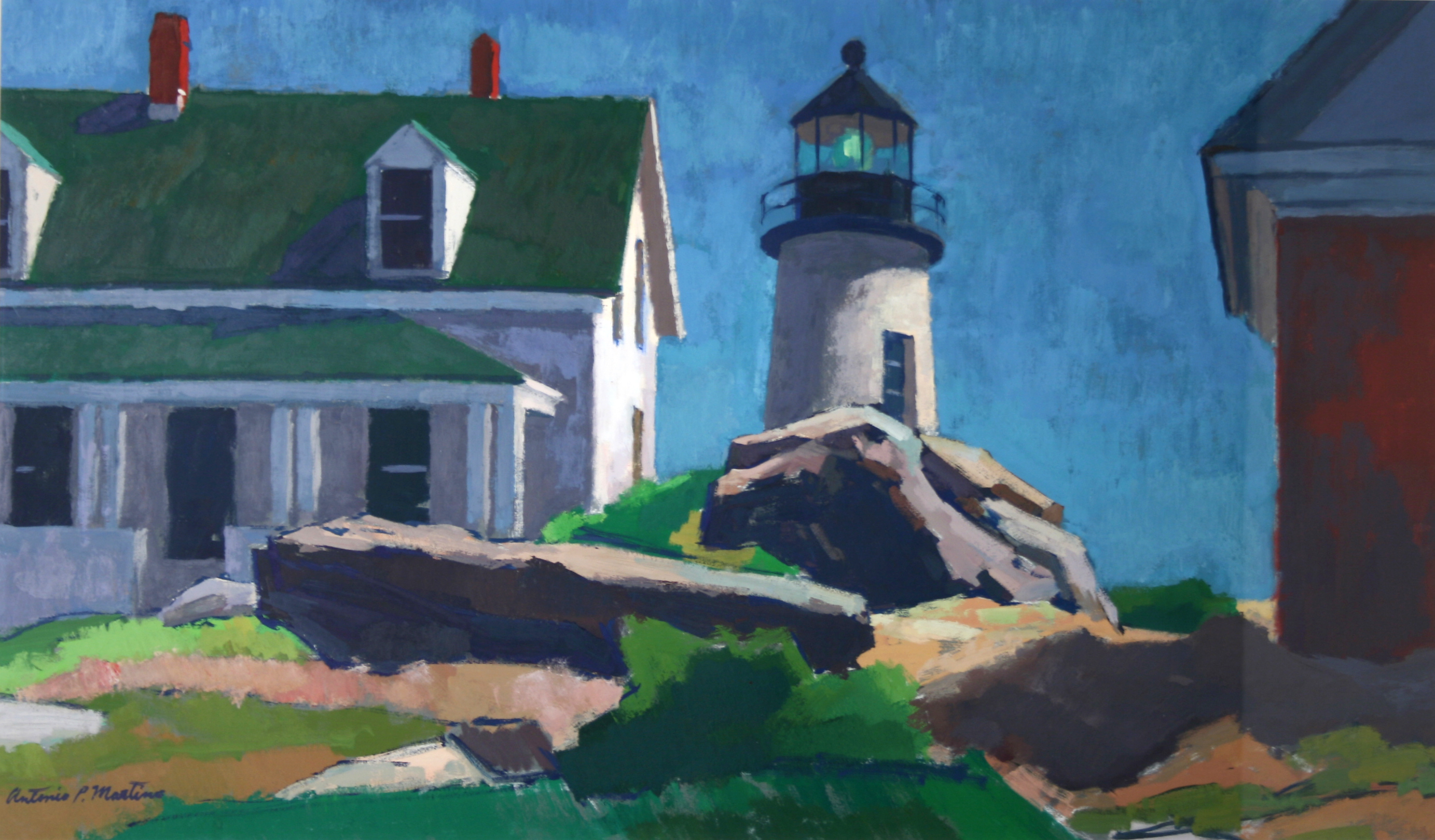
Antonio P. Martino, the son of Italian immigrants, grew up in Philadelphia, where he trained at the Graphic Sketch Club (now Fleisher Art Memorial), the La France Art Institute, and the Pennsylvania Museum School of Industrial Art (now the University of the Arts). Martino later worked as an apprentice at the lithography firm Associated Artists.
He gained early success, exhibiting his work at the age of seventeen and later receiving a bronze medal at the Sesquicentennial International Exposition in Philadelphia for his impressionistic landscapes. In 1971, he moved to California, where his work took on brighter colors as he turned increasingly to marinas and waterfront scenes, extending his interest into coastal environments. In Pemaquid Light, he depicts the Pemaquid Point Lighthouse in Bristol, Maine, again emphasizing the convergence of sky, water, and structure.
Martino’s work has been exhibited in many institutions, including the Metropolitan Museum of Art and the Whitney Museum of American Art, both in New York; the Art Institute of Chicago, Illinois; and the Virginia Museum of Fine Arts, Richmond.
For over fifty years, Susan Pear Meisel has painted colorful, vibrant scenes of landmarks in New York, Washington, D.C., and other major cities across the United States. Whether working in silkscreen, lithography, or acrylic on canvas, she builds color through layered inks, creating surfaces that are both vivid and visually dynamic.
Meisel studied at the Art Students League, the School of Visual Arts, and Parsons School of Design, all in New York. She helped establish the Louis K. Meisel Gallery in New York’s SoHo neighborhood, where it continues to exhibit photorealist artists, realist painters, and sculptors. Her work is included in the collections of the Aldrich Contemporary Art Museum, the Erie Art Museum, and the Library of Congress.

Landscape photographer David Muench is known for images that integrate detailed foreground elements with expansive vistas, an approach that has influenced the photography of the American West. His early experience traveling through the Sierra Nevada mountains with his father, photographer Josef Muench, established a lasting focus on Western landscapes.
Working in large-format color photography, Muench’s images are often shaped by changing light, weather, and seasonal conditions. He has photographed landscapes worldwide, including South America, Antarctica, and Africa, while continuing to return to the Eastern Sierra.
Don Resnick was a landscape painter whose work remained closely tied to the terrain, sea, and sky of Long Island, New York. Although he would sketch and draw from nature, Resnick never painted outdoors. Depicted with loose brushwork and “watercolor-like lucidity,” his luminous paintings sought to communicate his vision of the environment. “The inspiration for my paintings is the intense experience of a place—its particular light, its particular space—at a unique moment in time,” he said.
Resnick lived and worked at his studio in Rockville Centre, Long Island, New York, until his death. He studied at Hobart College, Geneva, New York; the New School for Social Research, New York; and the Internationale Sommerakademie für Bildende Kunst, Salzburg, Austria. His work is held in several prominent collections, namely the New York Public Library; the Hood Museum of Art, Hanover, New Hampshire; and the Sheldon Museum of Art, Lincoln, Nebraska.