





Estimados amigos,
Bienvenidos a Barnes House. It is our pleasure to open our home to you and to share a small part of the United States through the art displayed on these walls.
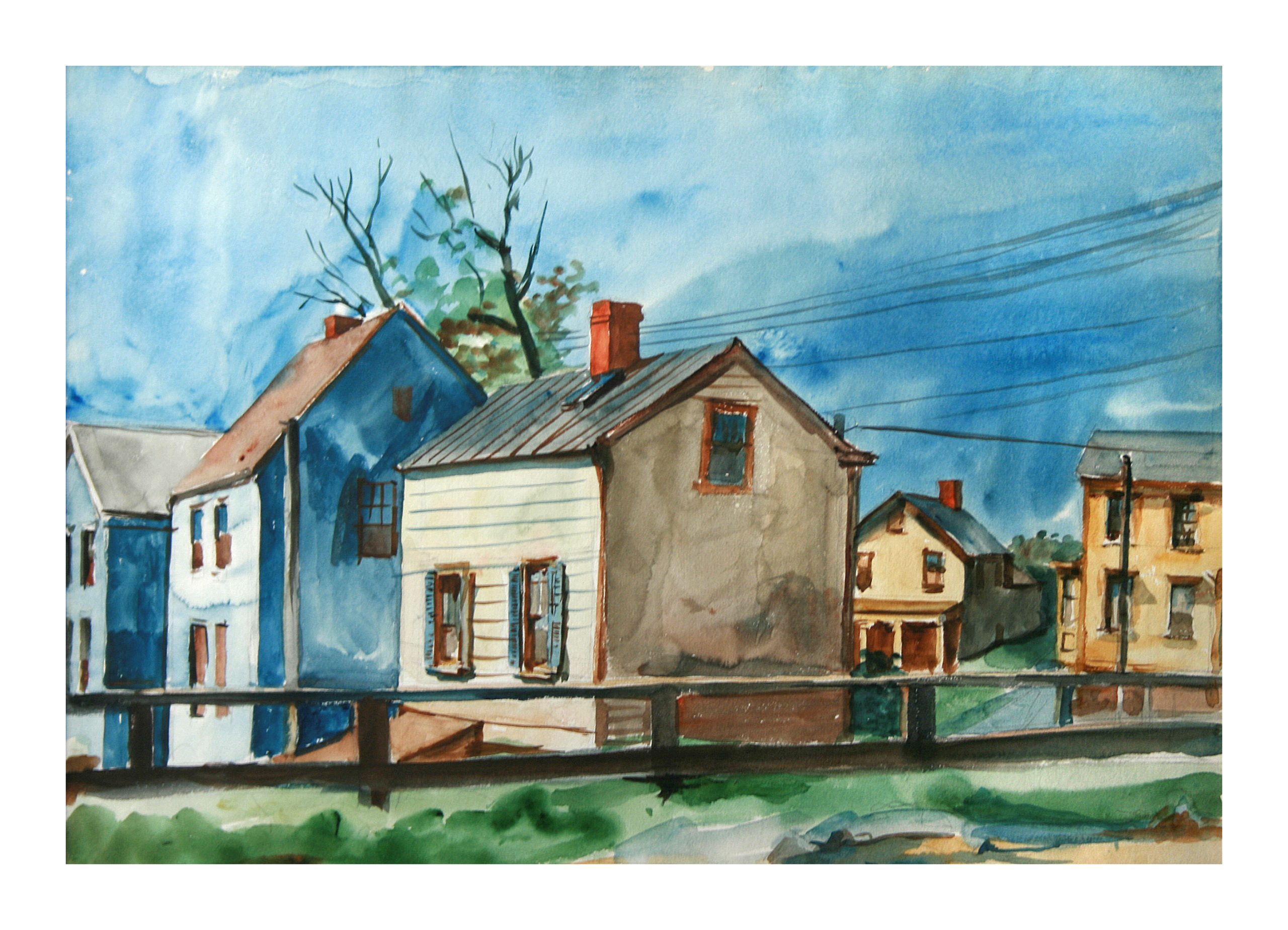
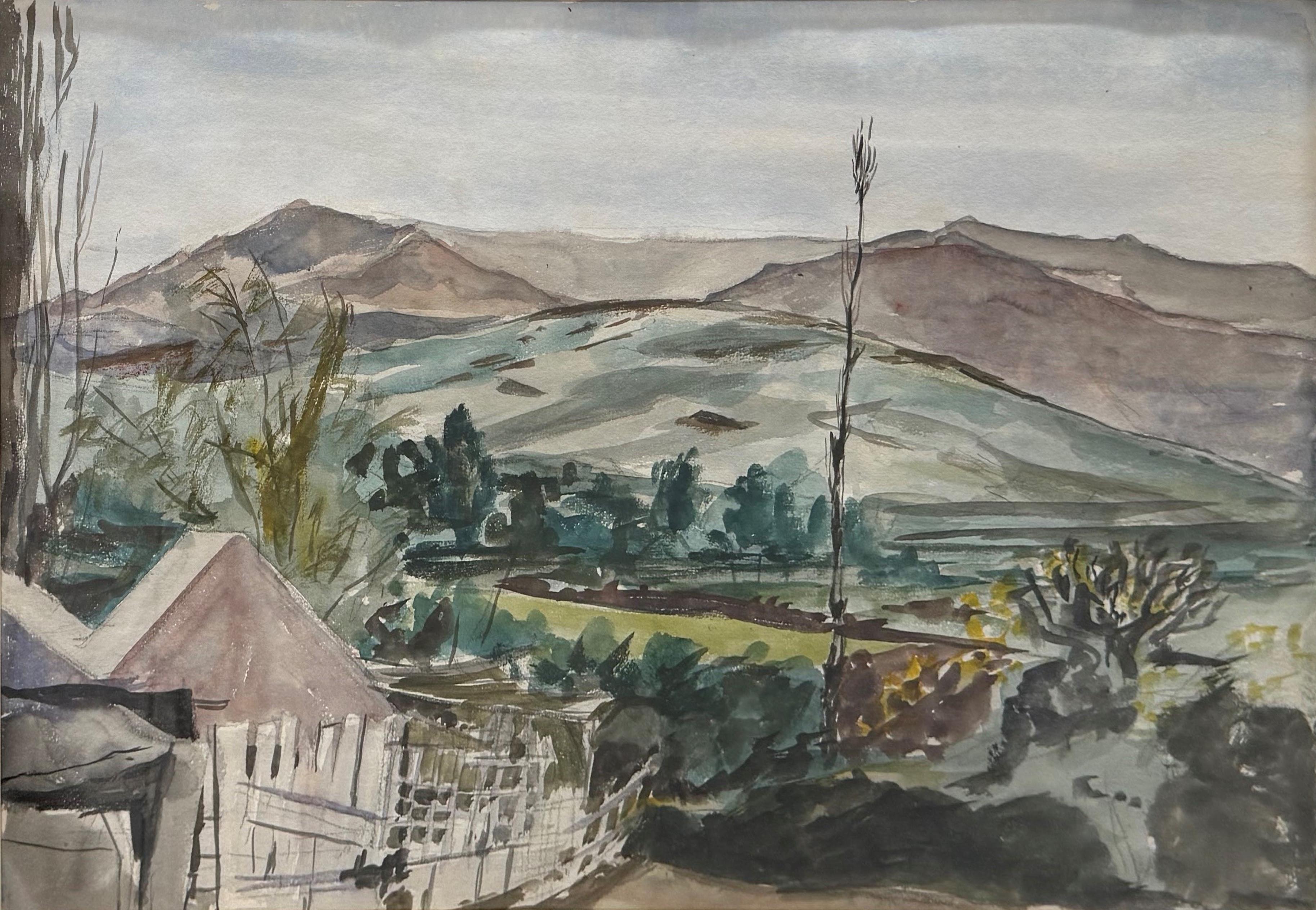
The works featured here are part of the U.S. Department of State’s Art in Embassies collection and were created by American artists. Together, they offer a visual journey across our beloved country—its landscapes, its homes, and the places that shape a sense of belonging. Many of the pieces reflect the wide-open spaces and dramatic beauty of the American West, including our home state of Arizona, where light, color, and scale invite both reflection and imagination. Others depict parts of the country that also feel like home to us, such as Maine, where we spent memorable years as a family. While diverse in style and geography, these works are united by a shared attention to place and to the quiet stories that landscapes and homes can tell.
Art has a unique ability to create connection across distance and to invite conversation, curiosity, and shared experience. As you spend time in Barnes House, we hope these works encourage moments of pause and discovery—and perhaps spark reflections on the landscapes and places that matter most to you.
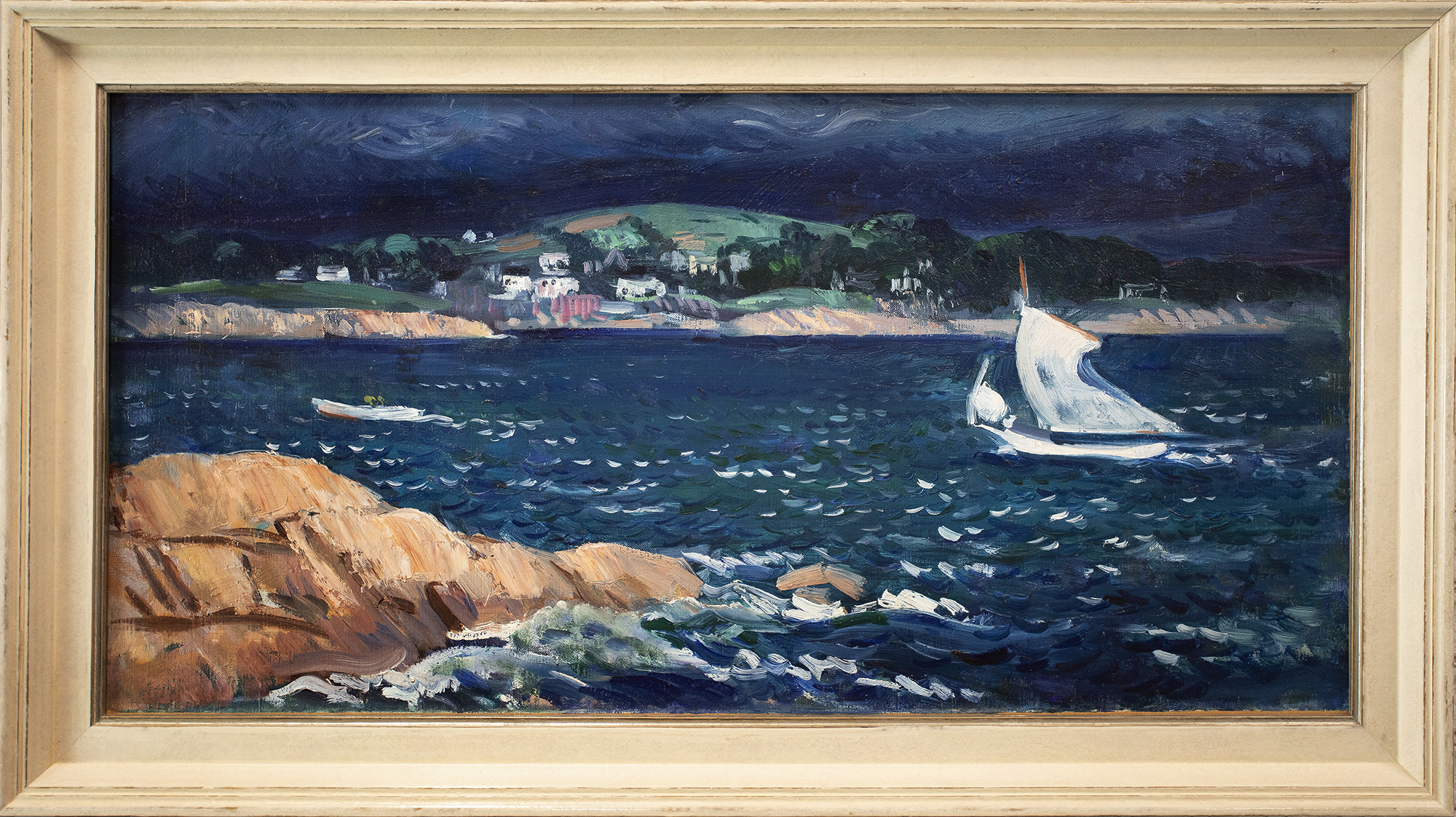
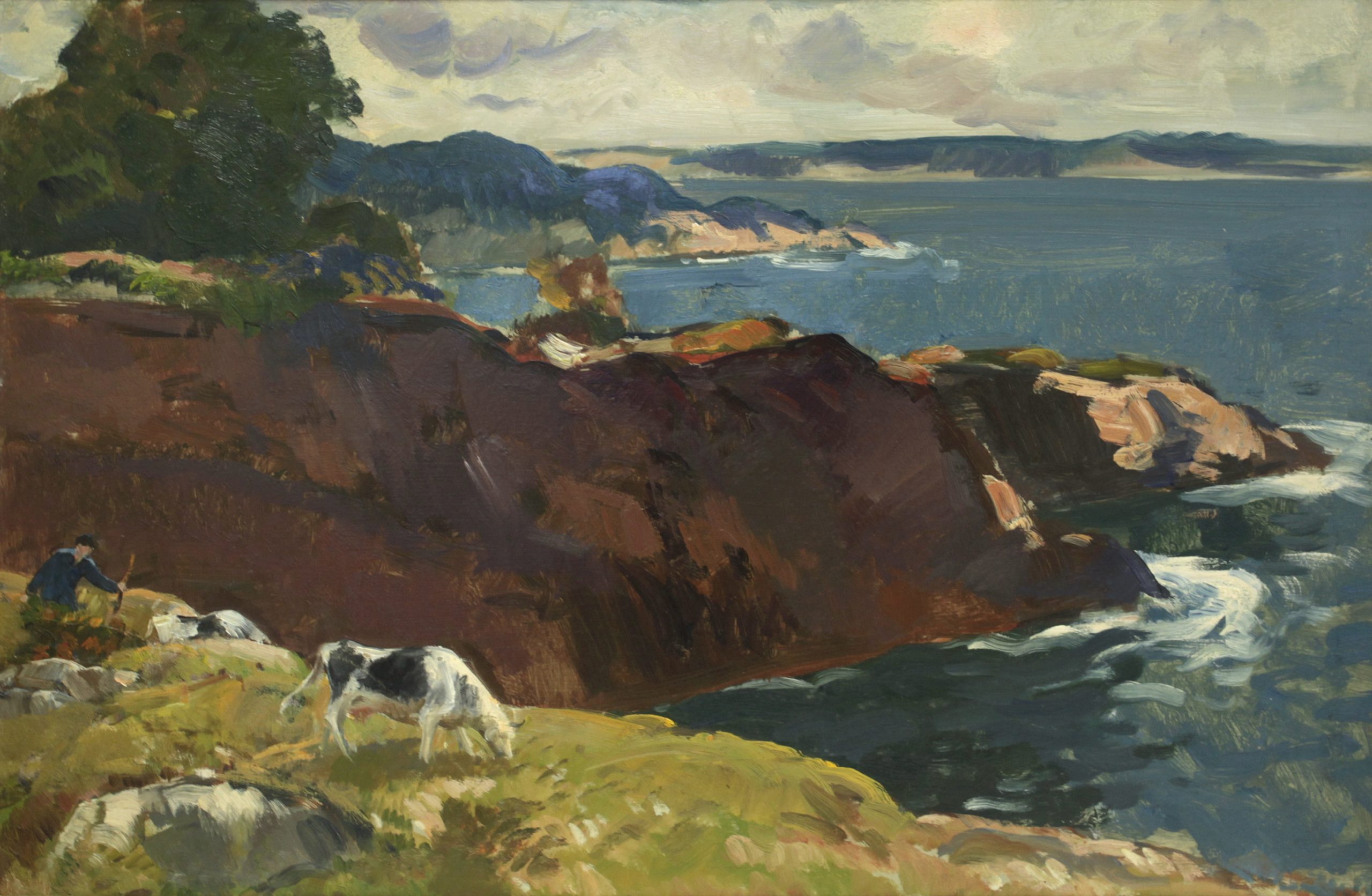
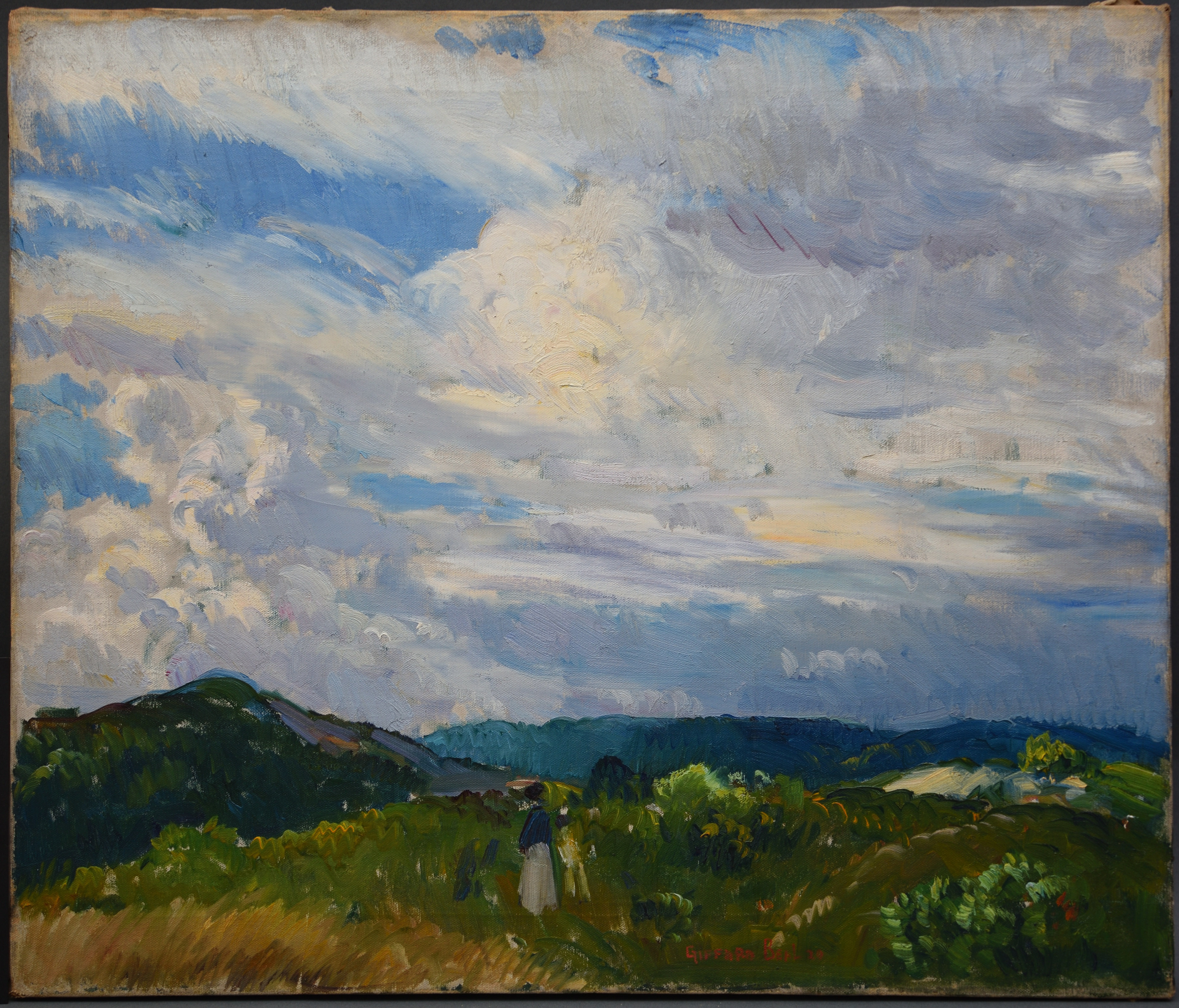
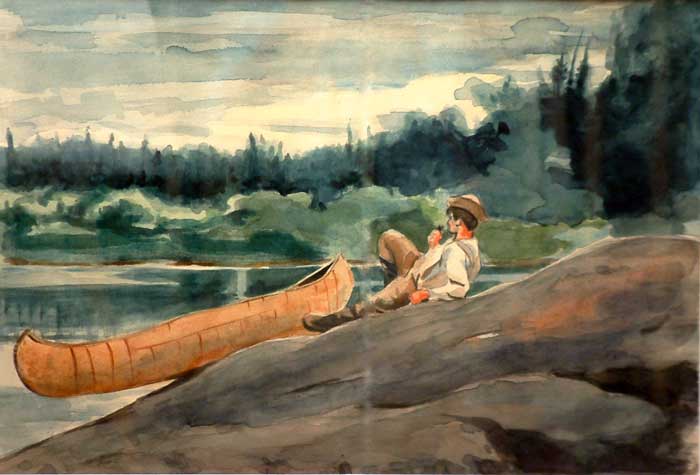
Painter and watercolorist Gifford Beal gained widespread recognition during the first half of the twentieth century for his gentle, warmly lit depictions of American landscapes and urban views. Born into a prominent New York family, Beal began his artistic training as a teenager with summer courses led American impressionist William Merritt Chase. Under Chase’s tutelage, Beal mastered the impressionist technique of documenting the transient effects of light and atmosphere, an approach that continued to shape his work as style and subject matter evolved from austere seascapes featuring monumental figures to dynamic views of New York’s freight yards. Friend and fellow painter Barry Faulkner said Beal’s work showed “the eternal pleasures of work and leisure, the casual enjoyable incidents which add so much to life’s richness.”
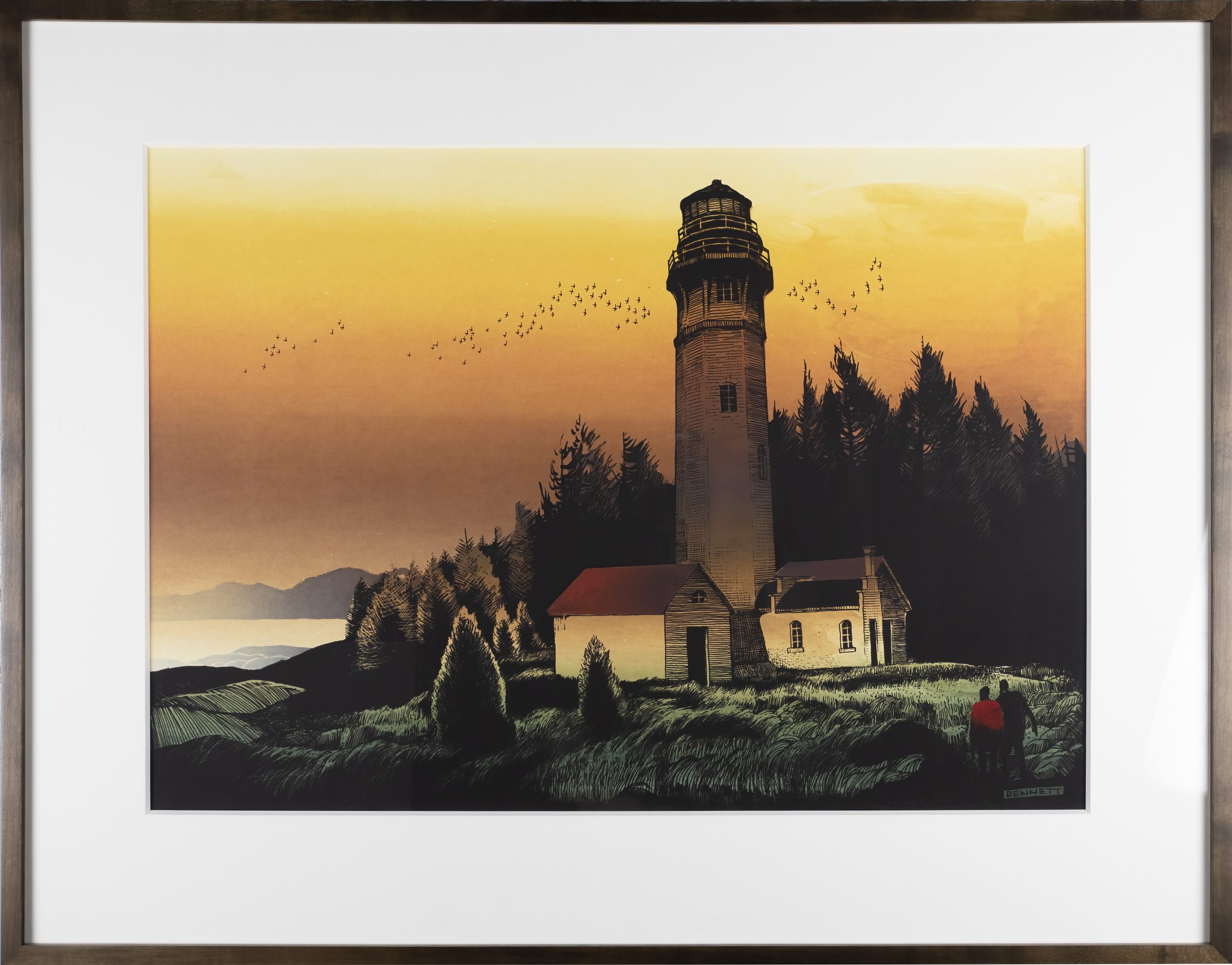
Elton Bennett’s silkscreens center around nature hikes with family and friends in the Pacific Northwest and coastal scenes from his childhood featuring tall ships, steamships, and old lumber mills. Bennett created over 100 serigraph designs from one screen, and made his art accessible and inexpensive, never selling his prints for more than fifteen dollars. Human figures are secondary to the larger landscape, contributing to a peaceful serenity in his images. Bennett said of his work, “I want [it] to become you. I want the person looking at my artwork to feel so much a part of it that the figure becomes them in that scene.” Raised near the coast in Hoquiam, Washington, Bennett worked in the dredging, fishing, and lumber industries and spent one year at Washington State University, Pullman, until the Great Depression hit. After serving in the U.S. Navy construction battalion in World War II, he used his G.I. Bill to enroll in art courses, each lasting two weeks, at the Portland Art Museum’s School of Fine Art, Oregon, and pursued art full time.
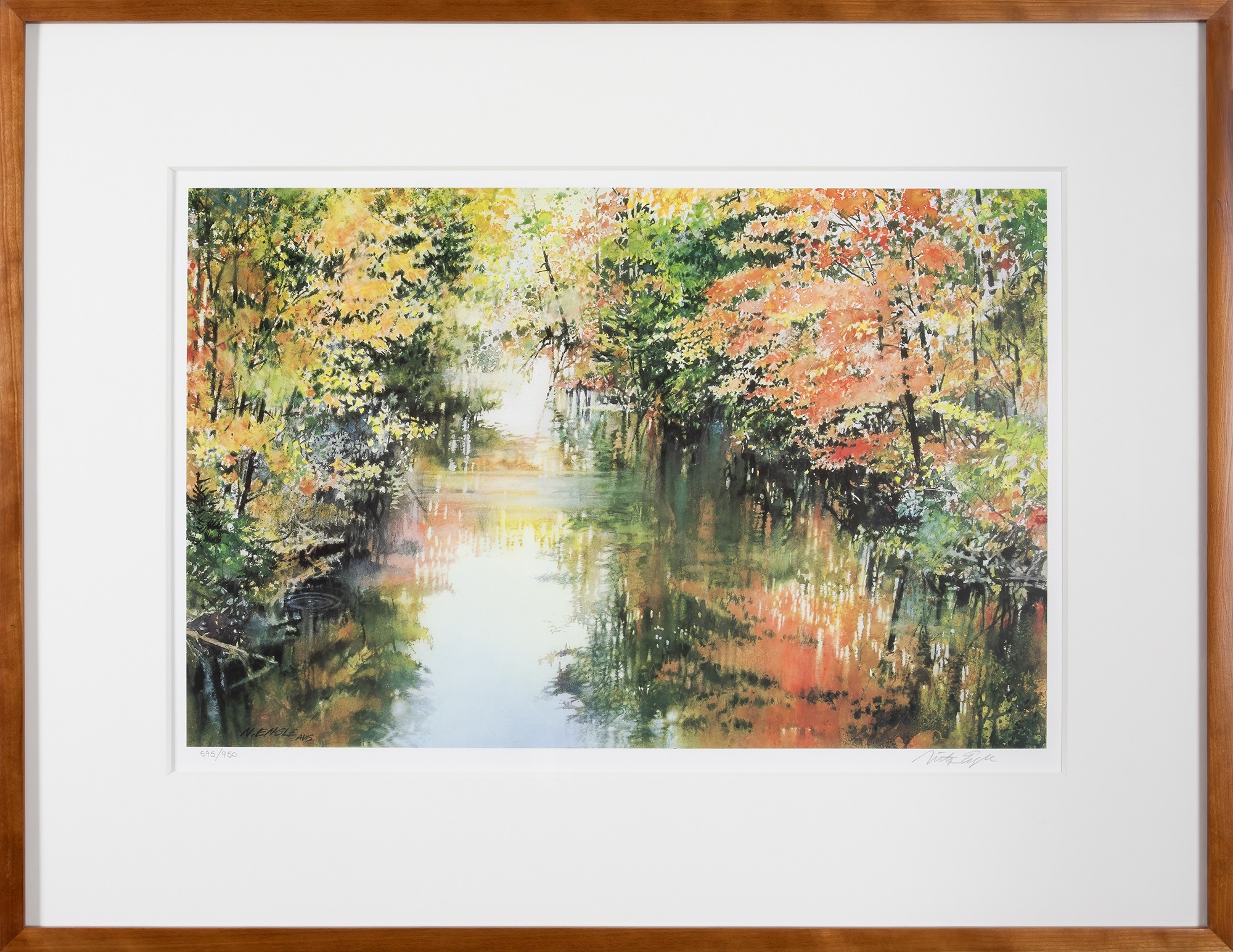
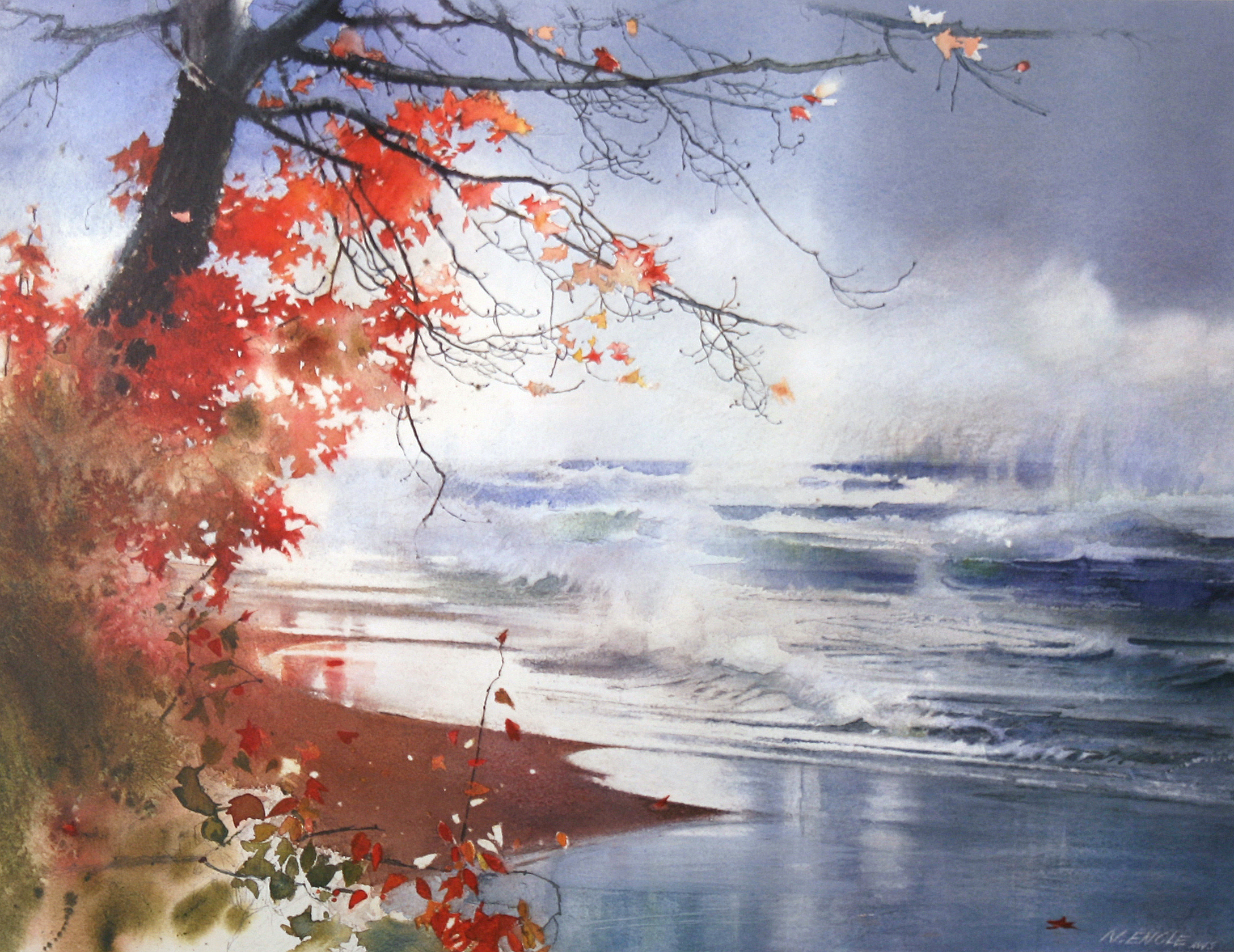
Renowned watercolor artist Nita Engle is best known for immersive depictions of natural environments. Her subjects range from the forests and shoreline of Lake Superior in Michigan’s Upper Peninsula to arid and northern landscapes encountered in Africa and Alaska. She developed and refined most of her watercolor techniques through years of experimentation. “The exciting thing about painting in watercolor is that it moves on the paper, unlike oil,” she said.
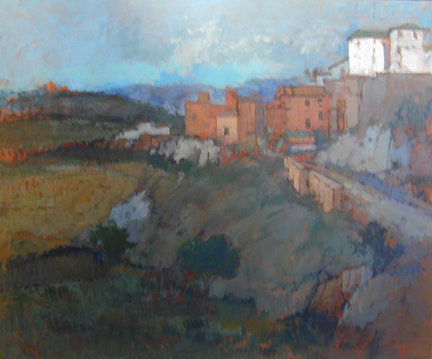
John Heliker painted traditional landscapes, portraiture, and still life in his semi-abstract compositions. Inspired by European artistic traditions, Heliker rendered scenes that were considered “studies in the almost-seen, the not-quite comprehended. They bewitch with their powers of suggestion.” During the mid-1950s, his work became softer and more improvisational with “quick, stabbing brush works and bits of drawn line.”
Heliker studied at the Art Students League, New York. He left school and educated himself at the Metropolitan Museum of Art, sketching Old Master paintings. There he met Armenian American abstract expressionist Arshile Gorky, who introduced him to French impressionism. A founding member of the New York Studio School and recipient of the Prix de Rome, Heliker taught art at Columbia University, New York, for twenty-seven years.
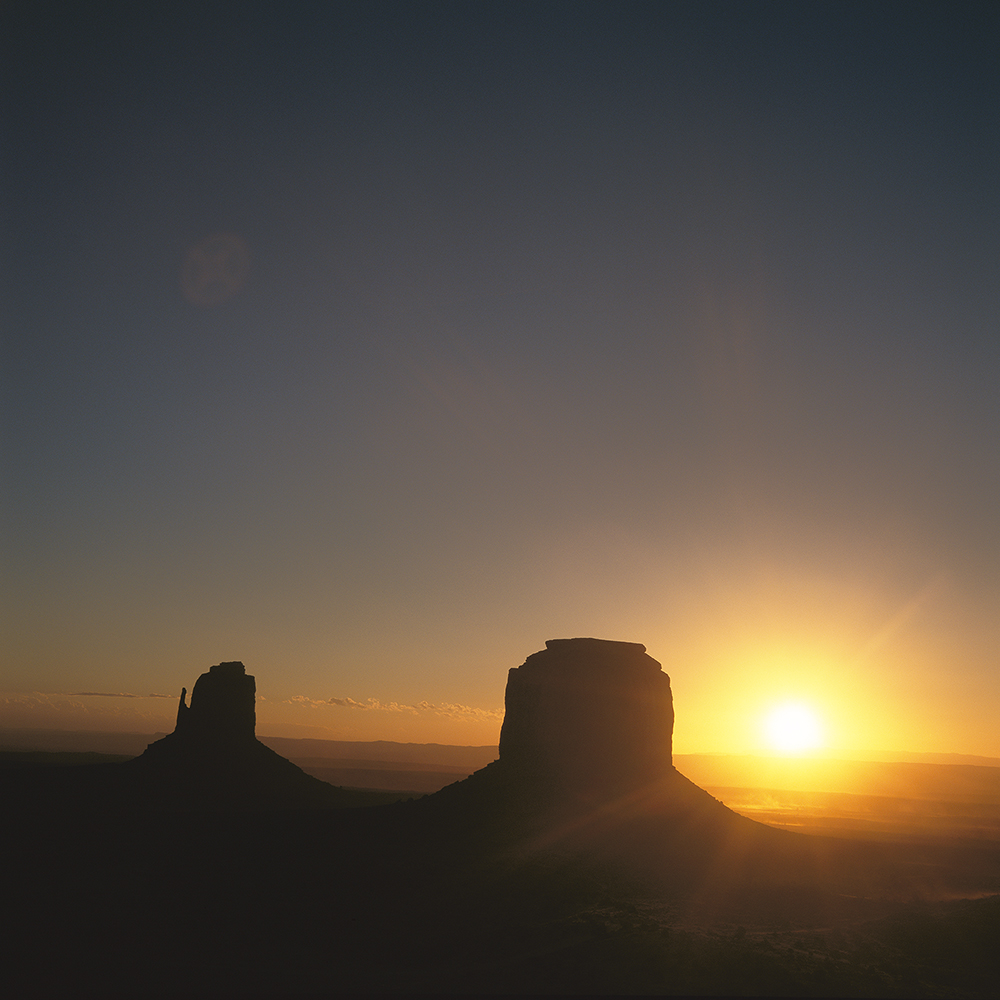
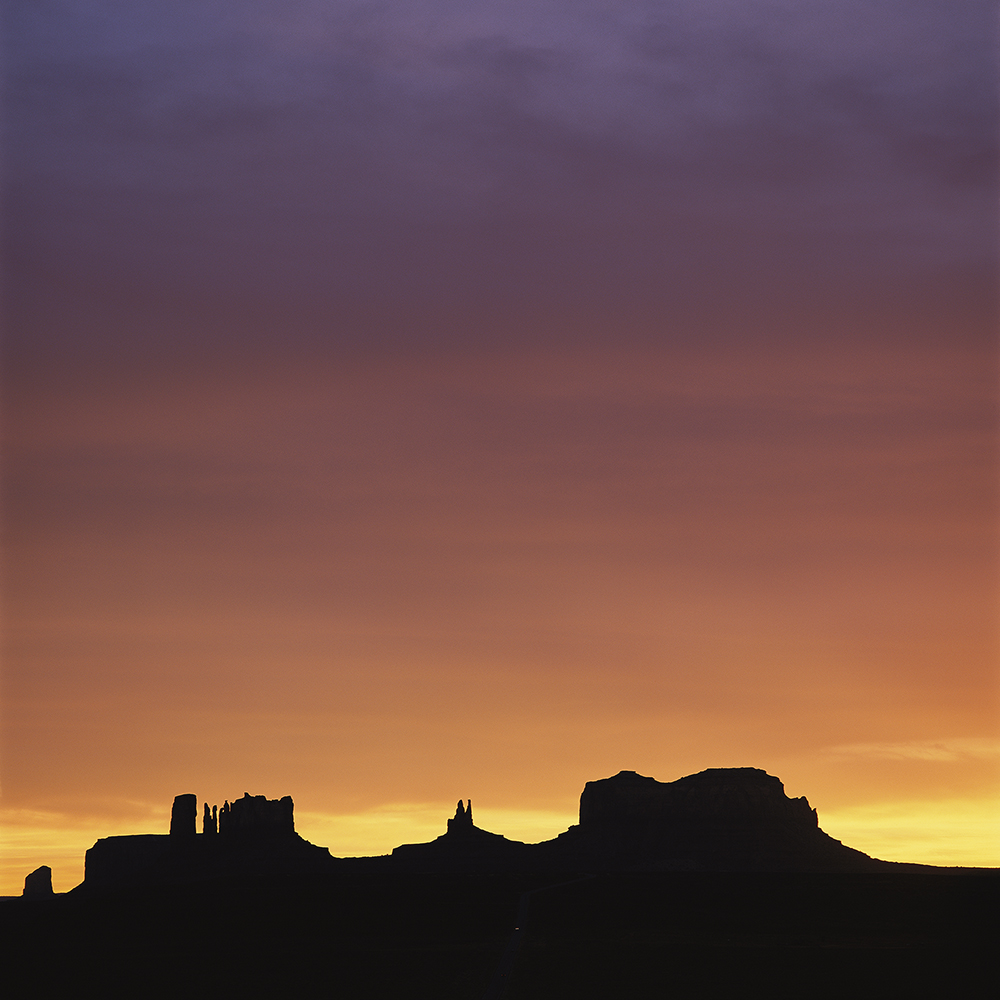
Henry Joseph’s images embody American landscape, portraiture, and event photography. Once a lowland basin and now a plateau, the towering cliff formations in Monument Valley are surrounded by desert scrub and scattered canyon bushes like blackbrush and big sagebrush. Situated along the Arizona-Utah border within Navajo Nation, Monument Valley resulted from millions of years of erosion from the Rocky Mountains. Over time, environmental forces like wind and water created the soft and hard rock surfaces of the sandstone structures. Mittens of Monument Valley depicts East Mitten Butte and Merrick Butte at sunset. Both edifices resemble mittens or large hands with their thumbs facing outward.
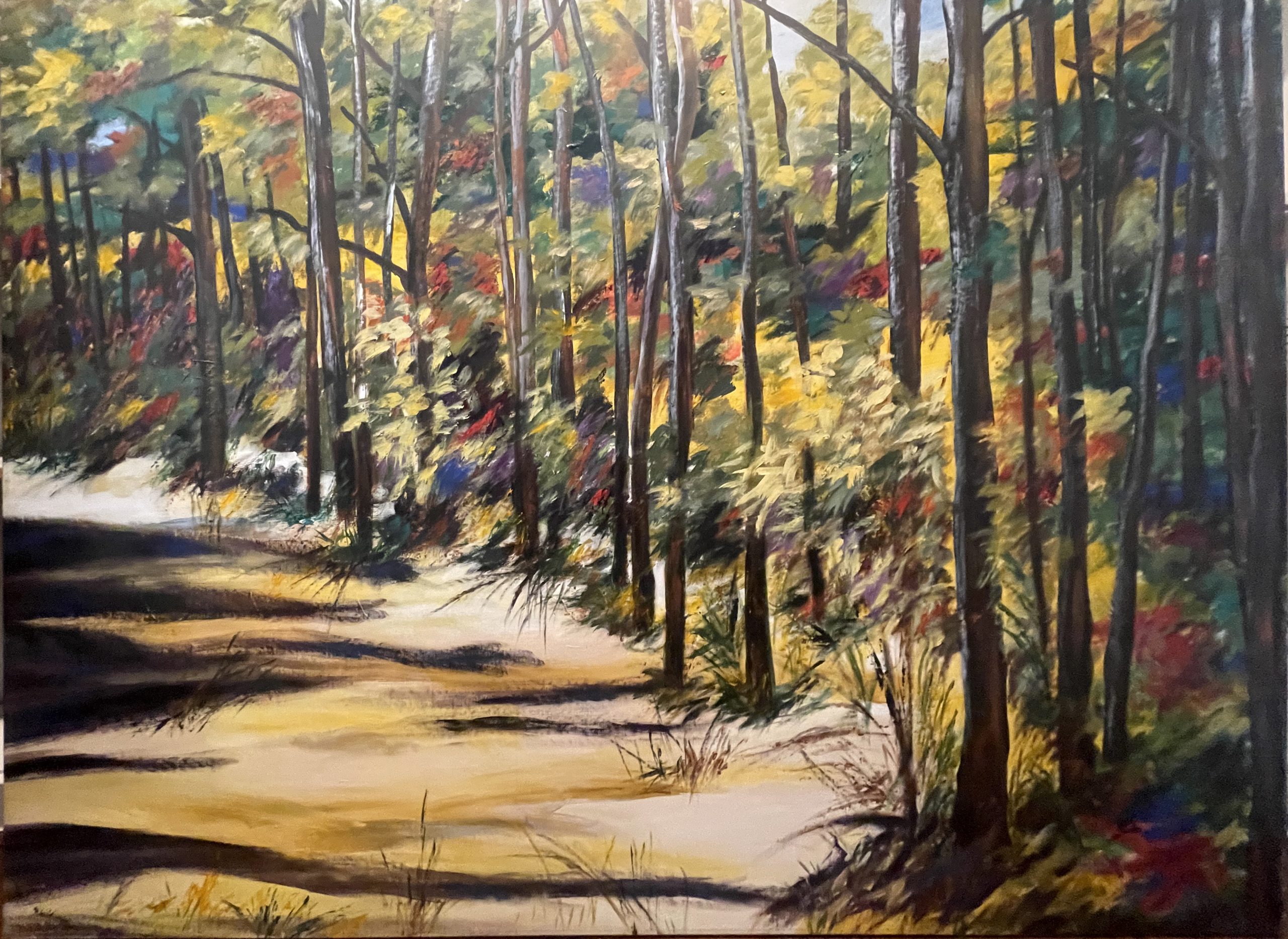
Kitty Klaidman’s artistic practice reflects memories shaped by her experience of the Holocaust in early childhood. As one Washington Post critic said, “The very sparseness of [Klaidman’s] work…speaks quietly of the hardness of those years and the strength of the human spirit.” After World War II, she moved to Israel and then the United States, where she began to paint. Her delicate, richly toned acrylic paintings reveal gentle brightness and movement in natural landscapes.
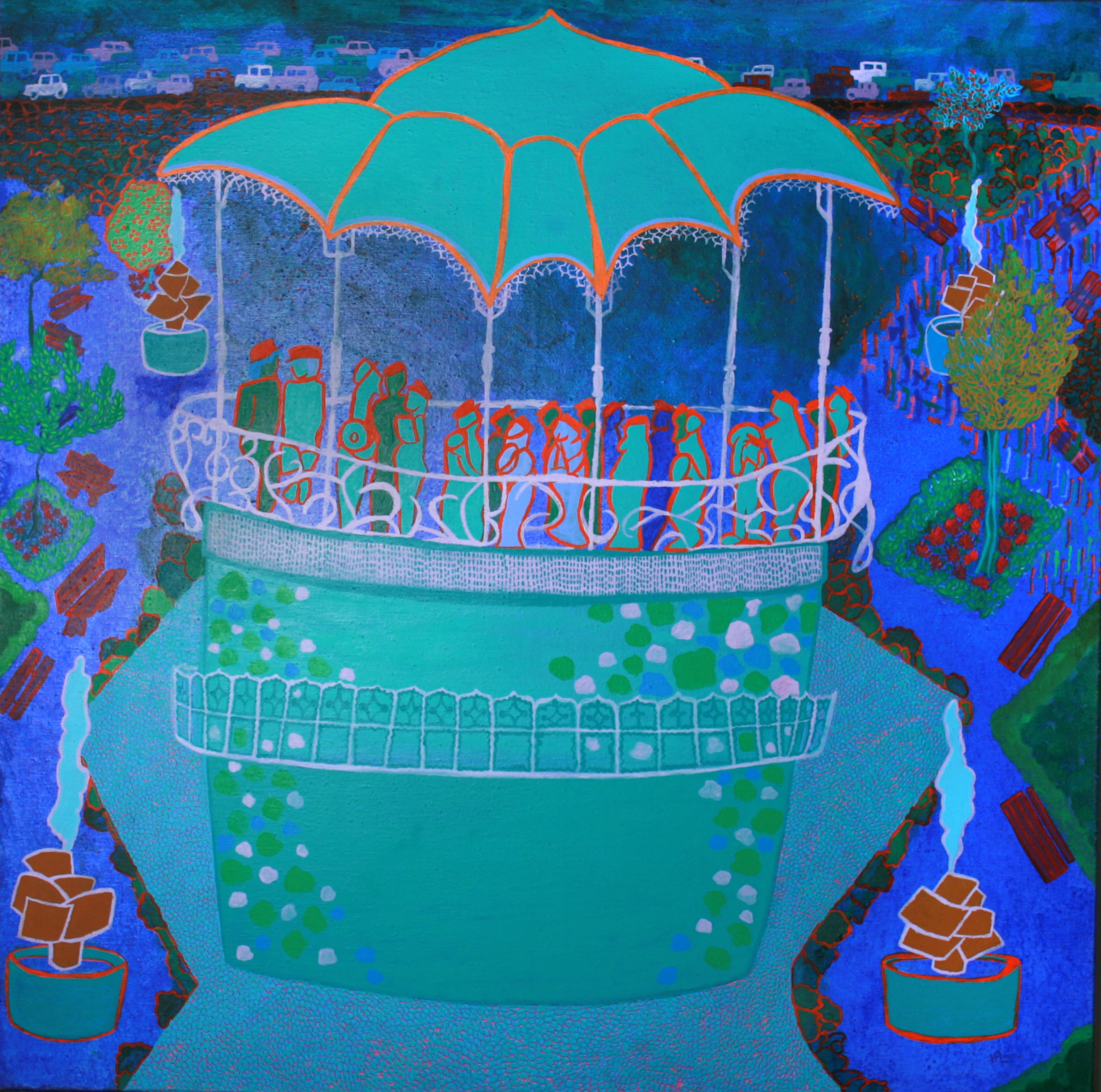
From a distance, Helen Ann Licht’s paintings are vivid and playful, “as though a box of 64 crayons melted onto her canvases.” Licht grew up in Idaho and later attended Stanford University and the University of California, Berkeley, to study studio art and art history. While some of her colorful artworks are inspired by scenes from the Bible, others also feature travels to Israel, Europe, India, and Latin America—the latter of which can be evident in On the Zócalo.
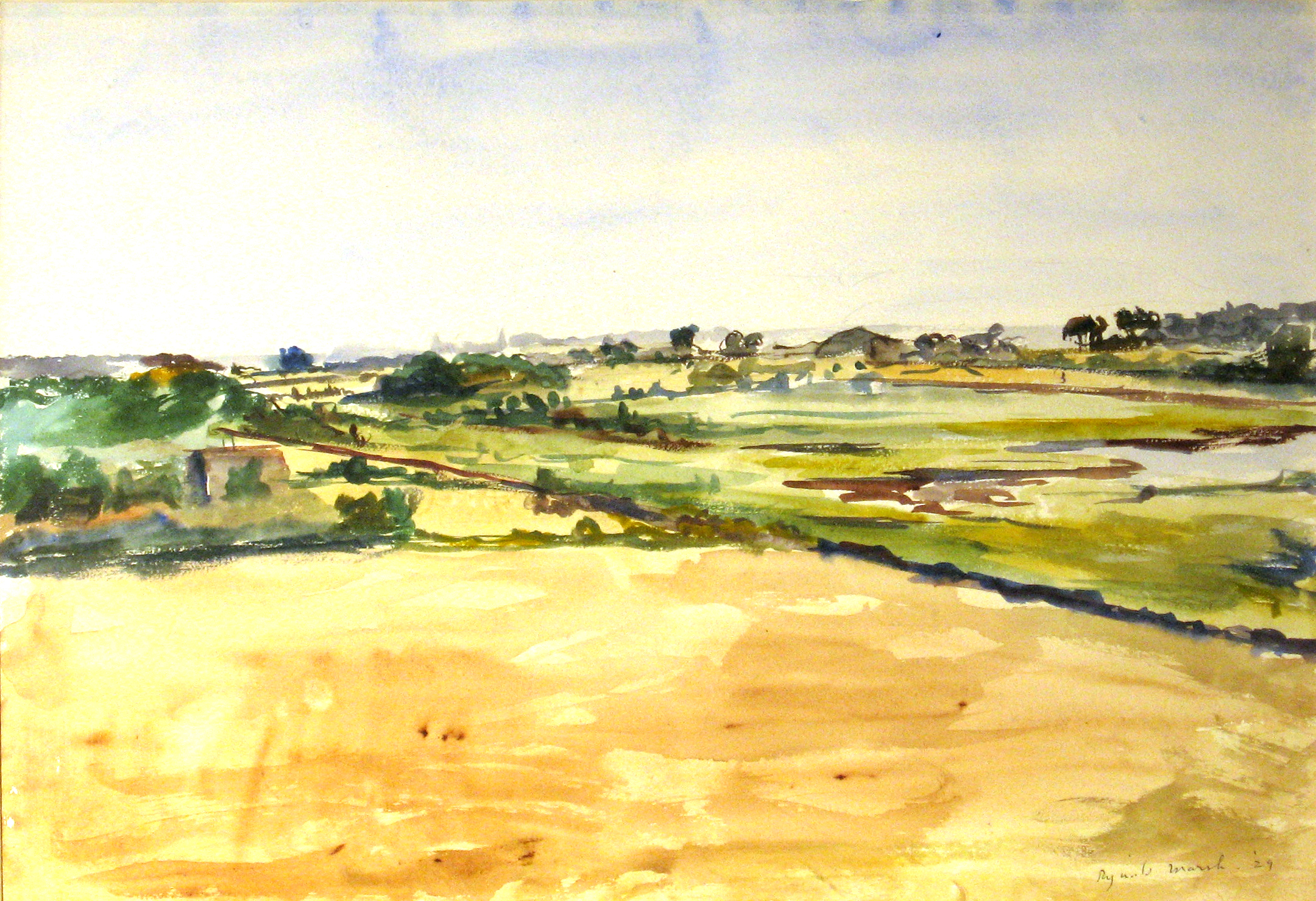
Painter, illustrator, and printmaker Reginald Marsh was renowned for his depictions of burlesque shows, throngs of crowds at Coney Island, and bustling ship harbors. Working in egg tempera, oils, ink, and watercolor, he observed everyday life in a manner associated with social realism. Although primarily known for his paintings of New York City, Marsh also documented his travels throughout the United States and abroad, sketching on location and using photographs as reference.
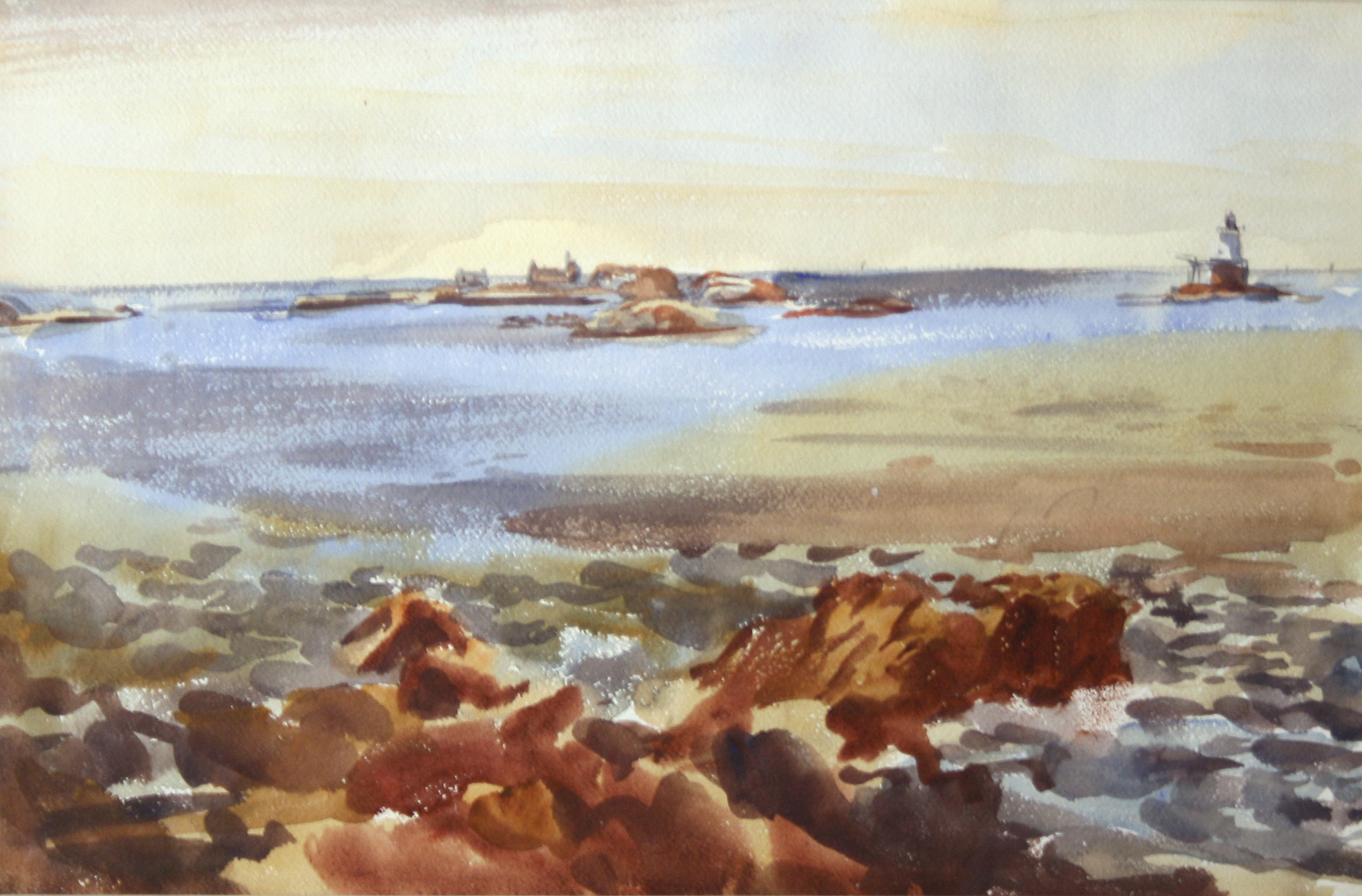
Don Resnick was a landscape painter enchanted by the beauty and magnificence of Long Island, New York’s terrain, sea, and sky. Resnick would sketch and draw from nature, but he never painted outdoors. Depicted with loose brushwork and “watercolor-like lucidity,” his luminous paintings sought to communicate his vision of the environment. “The inspiration for my paintings is the intense experience of a place—its particular light, its particular space—at a unique moment in time,” he said.
Resnick lived and worked at his studio in Rockville Centre, Long Island, New York, until his death. He attended Hobart College, Geneva, New York; the New School for Social Research, New York; and the Internationale Sommerakademie für Bildende Kunst, Salzburg, Austria. His work is in several prominent collections, namely the New York Public Library; the Hood Museum of Art, Hanover, New Hampshire; and the Sheldon Museum of Art, Lincoln, Nebraska.
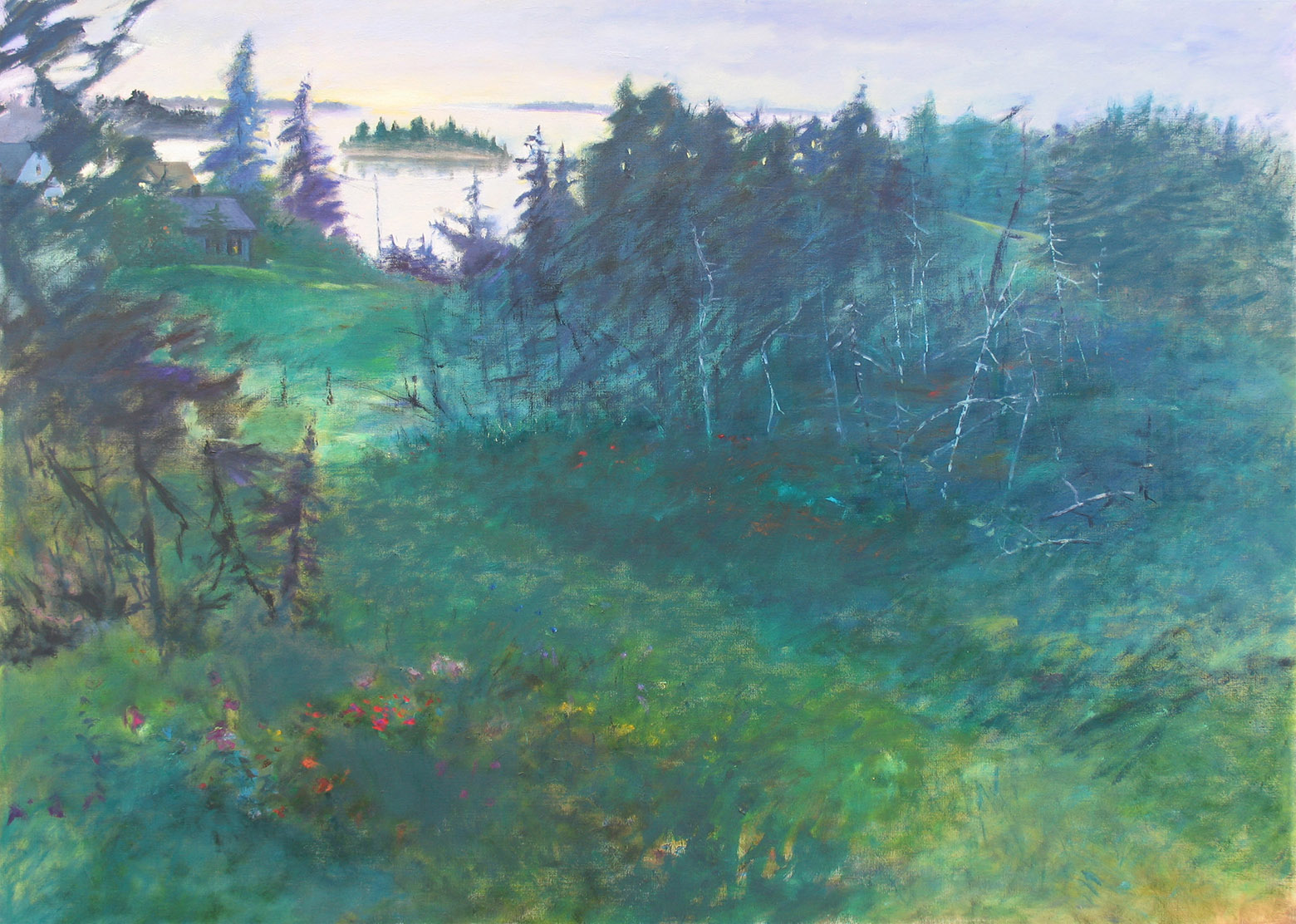
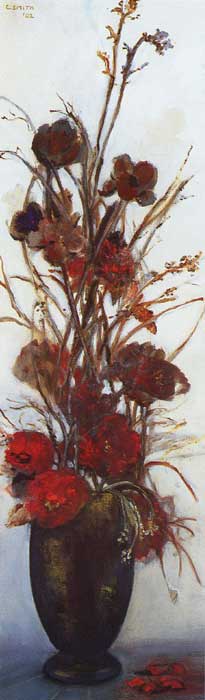
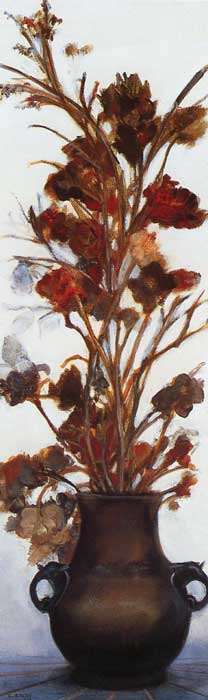
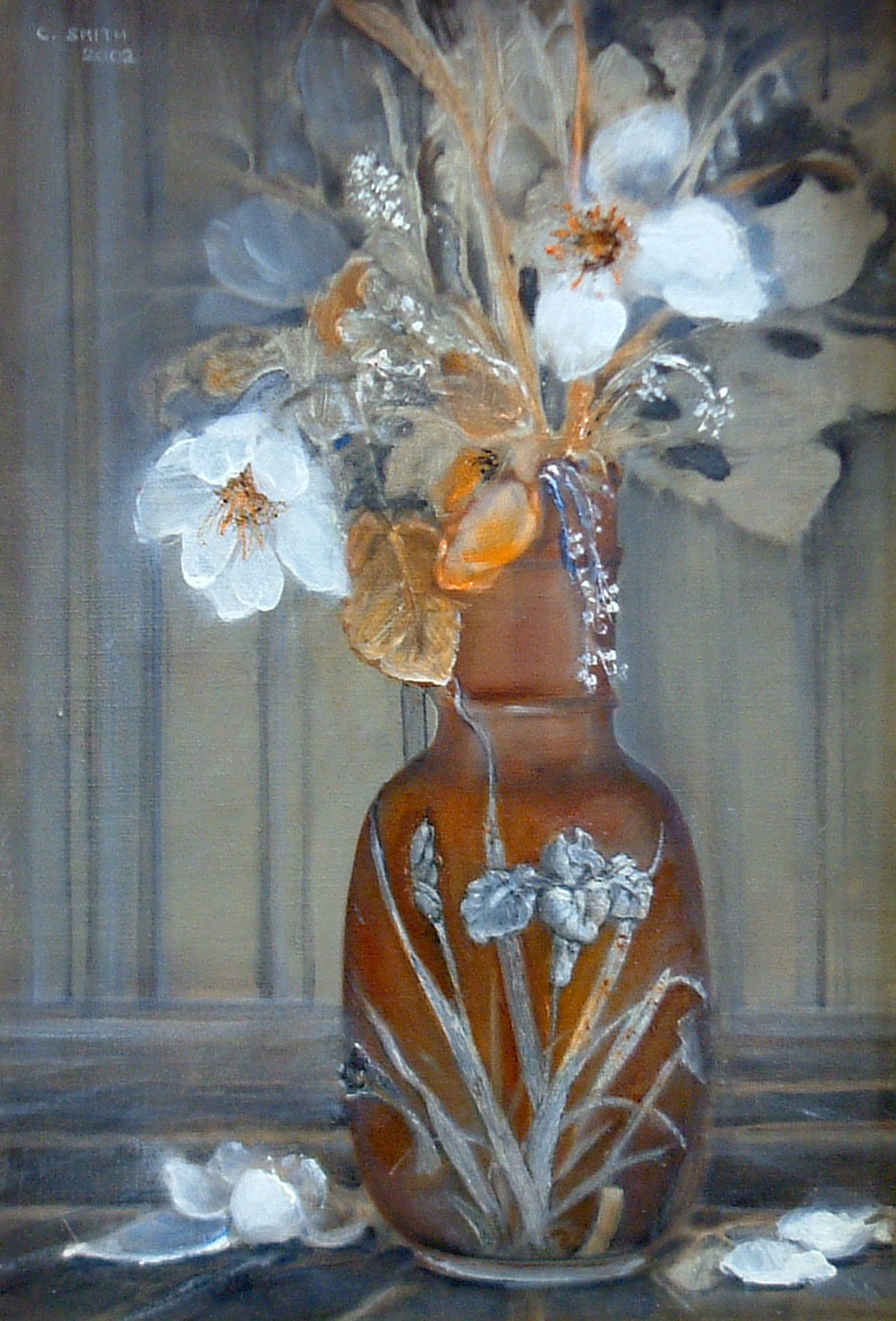
Clarice Smith was a traditional painter, trained through life drawing and oils. Her oeuvre encompassed florals, landscapes, still lifes, equestrians, and golf. From an early age, Smith was compelled to draw what she saw and that grew to convey the mood or feeling she felt from a particular scene. Although inspired by impressionist artists James McNeill Whistler, Édouard Manet, and John Singer Sargent, her inner inspiration came from another place: “I compose paintings from the patterns I see in people, places, and things; striving to paint the moods they inspire,” she stated.
Smith attended the University of Maryland, College Park, and received a Bachelor of Arts and Master of Fine Arts degree from George Washington University, Washington, D.C., later becoming a faculty member of their art department. She painted professionally for over fifty years and had solo exhibitions in the United States, London, Paris, Zürich, Maastricht, and Jerusalem. At eighty, she expanded her practice into stained glass, collaborating with Venturella Studio in New York to produce works for the New York Historical Society.
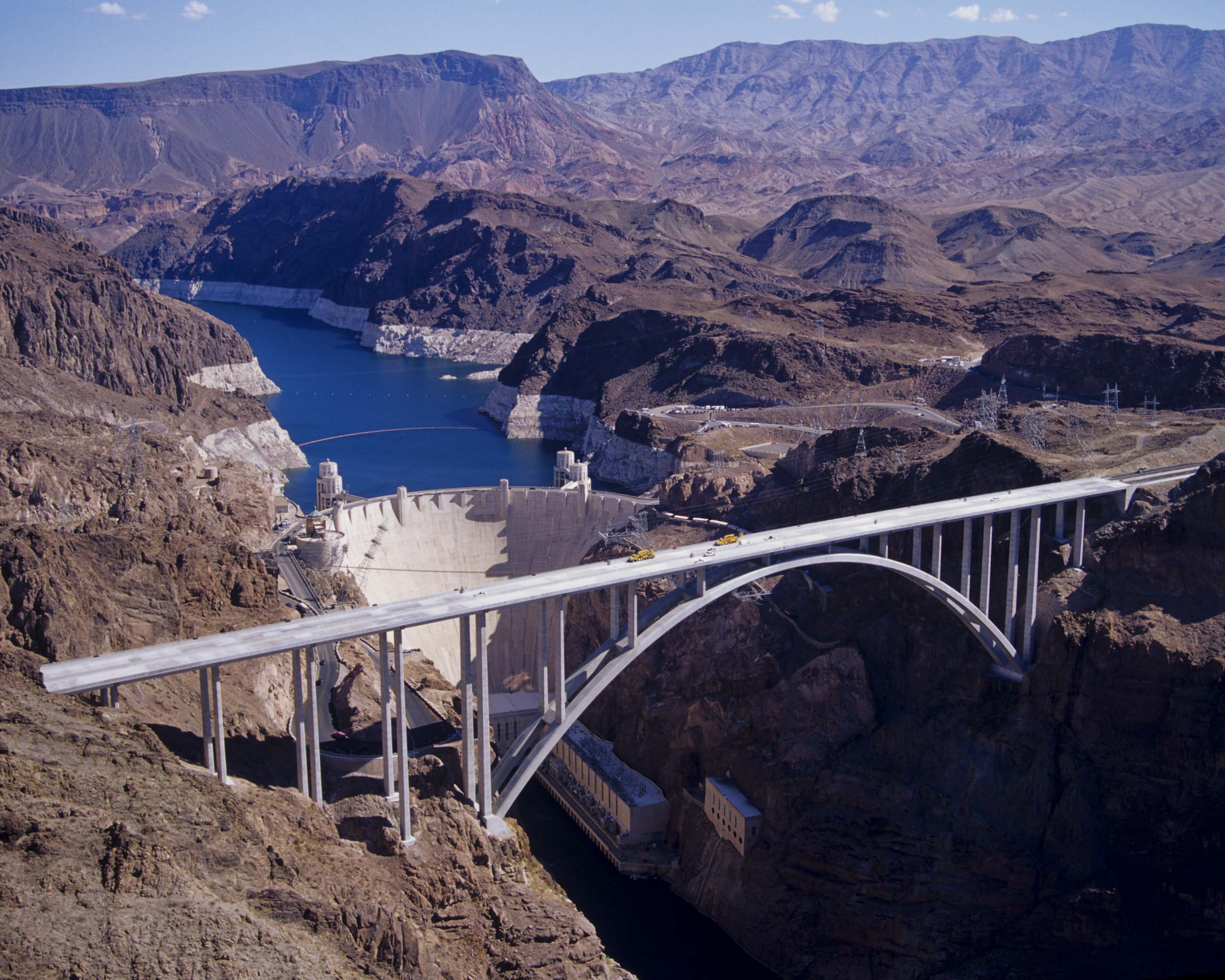
Also known as the Hoover Dam Bypass, the Mike O’Callaghan-Pat Tillman Memorial Bridge is an arched overpass that connects Arizona to Nevada over the Colorado River. At 1,900 feet long with a 1,060-foot-long main span, it is the highest and longest single-span concrete arch bridge in the Western Hemisphere at the time of its completion in 2010. The bridge is named after Mike O’Callaghan, who was the former governor of Nevada, and Pat Tillman, an American professional football player for the Arizona Cardinals who enlisted in the United States Army Special Operations in the aftermath of the September 11 attacks. T.Y. Lin International, a global engineering and advisory firm headquartered in California, oversaw the design of this bridge as a unique concrete-steel hybrid, the first of its kind in the United States.
Frank Lloyd Wright, considered by the American Institute of Architects as the “greatest American architect of all time,” created some of the most original structures in the United States. Over the span of seven decades, he designed 1,114 architectural works of all types, 532 of which were completed. Wright’s architectural ethos was deeply rooted in his belief in harmony between human habitation and the natural world. He developed the concept of “organic architecture,” which sought to create structures that harmoniously integrated with their surroundings, blurring the boundaries between indoors and outdoors. One of his most famous works is the iconic Fallingwater, a residence built over a waterfall in Pennsylvania. The design exemplified his principles, as it appeared to emerge seamlessly from the surrounding landscape, showcasing his ability to blend nature and structure in a harmonious and visually stunning way.
