


MacArthur House, the residence of the U.S. Ambassador to Japan, is as stunning as it is historic. Set amid the glass-and-steel skyline of central Tokyo, it was the first residence built by the U.S. Government for an ambassador.
Since its completion in 1931, the residence has served as a place where relationships are formed, conversations unfold, and ties between the United States and Japan are strengthened. We see it not only as our home, but as America’s house in Japan.
Through Art in Embassies, we are able to share works that reflect the natural beauty of the United States alongside others that resonate with both American and Japanese guests.
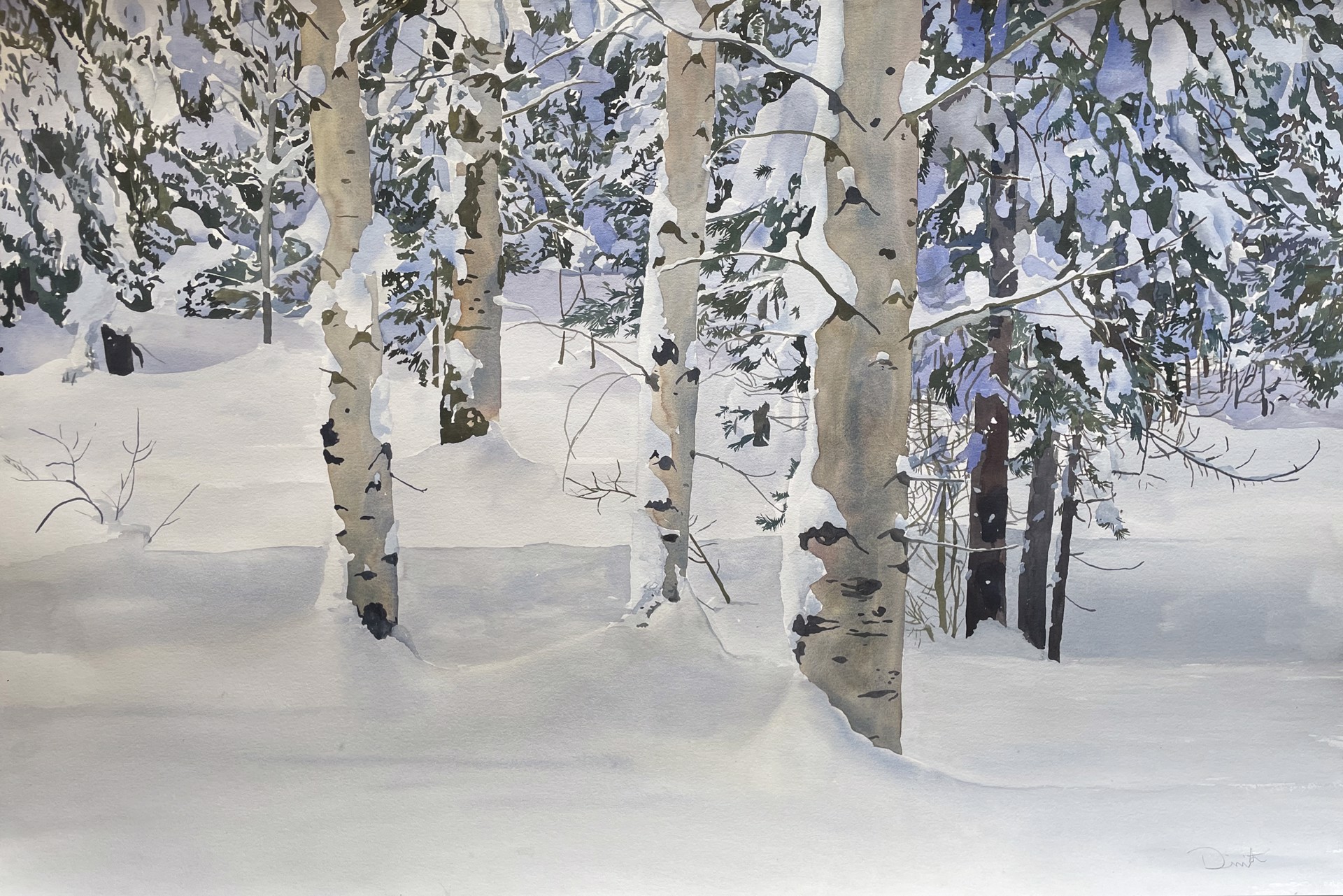
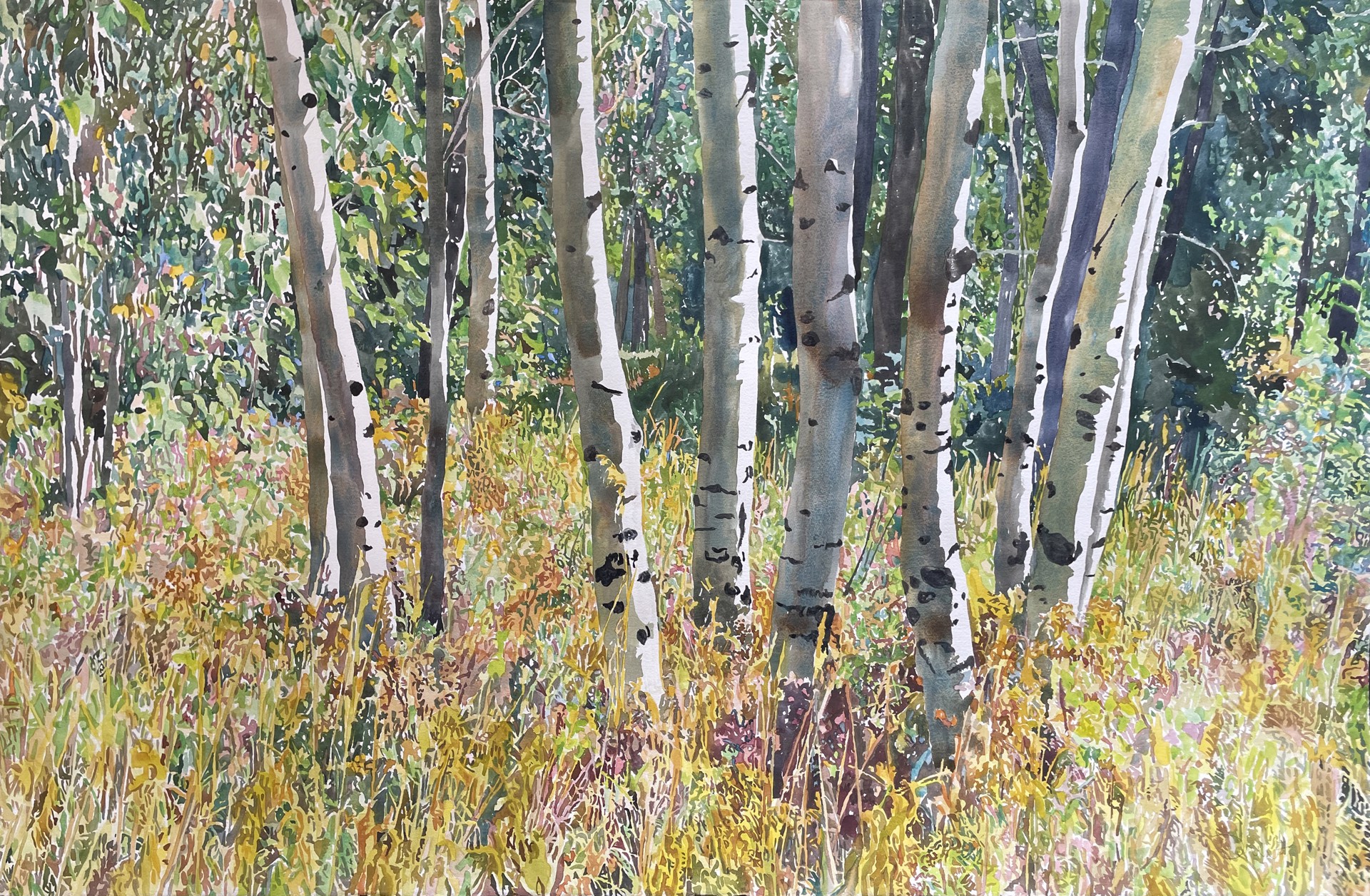
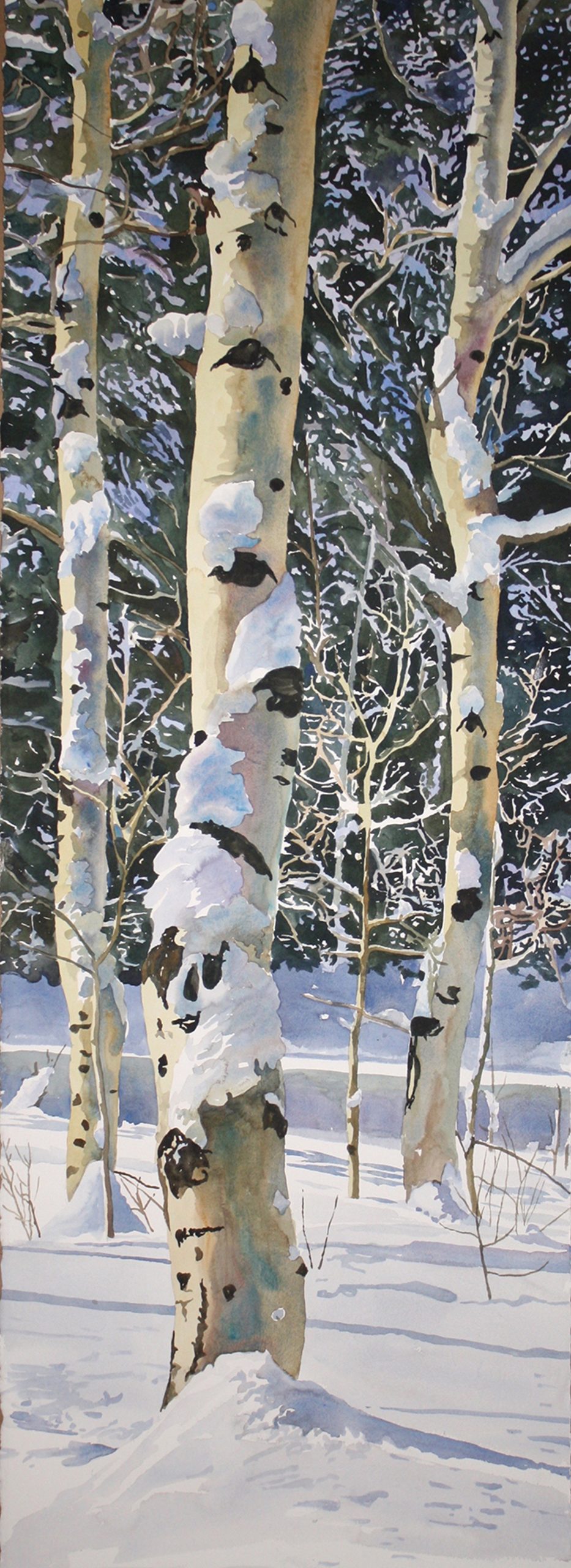
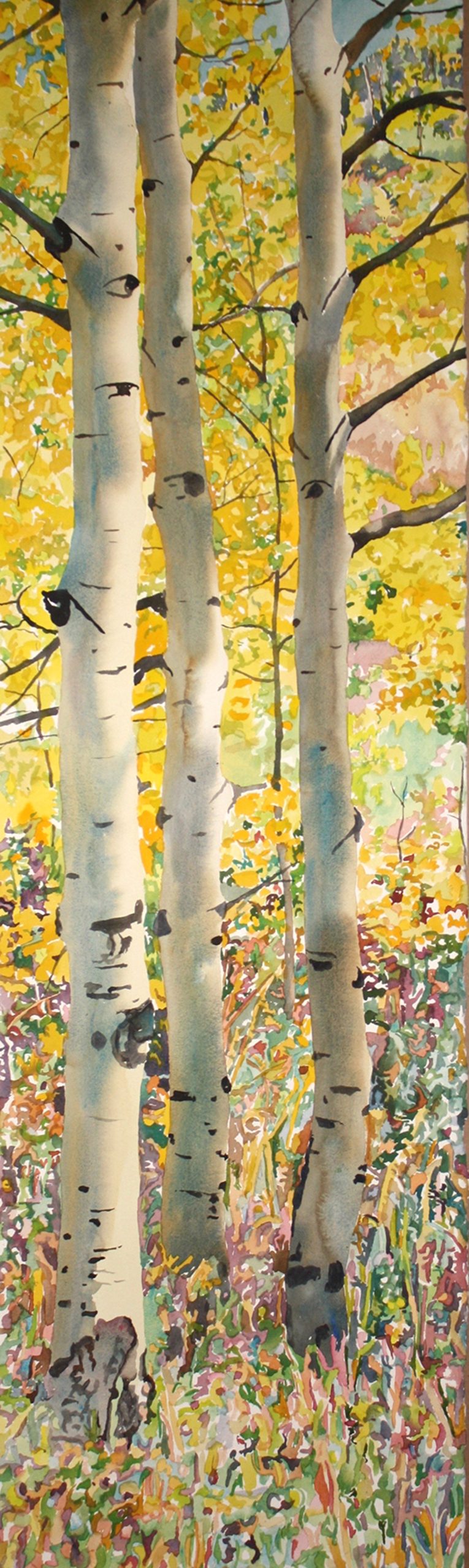
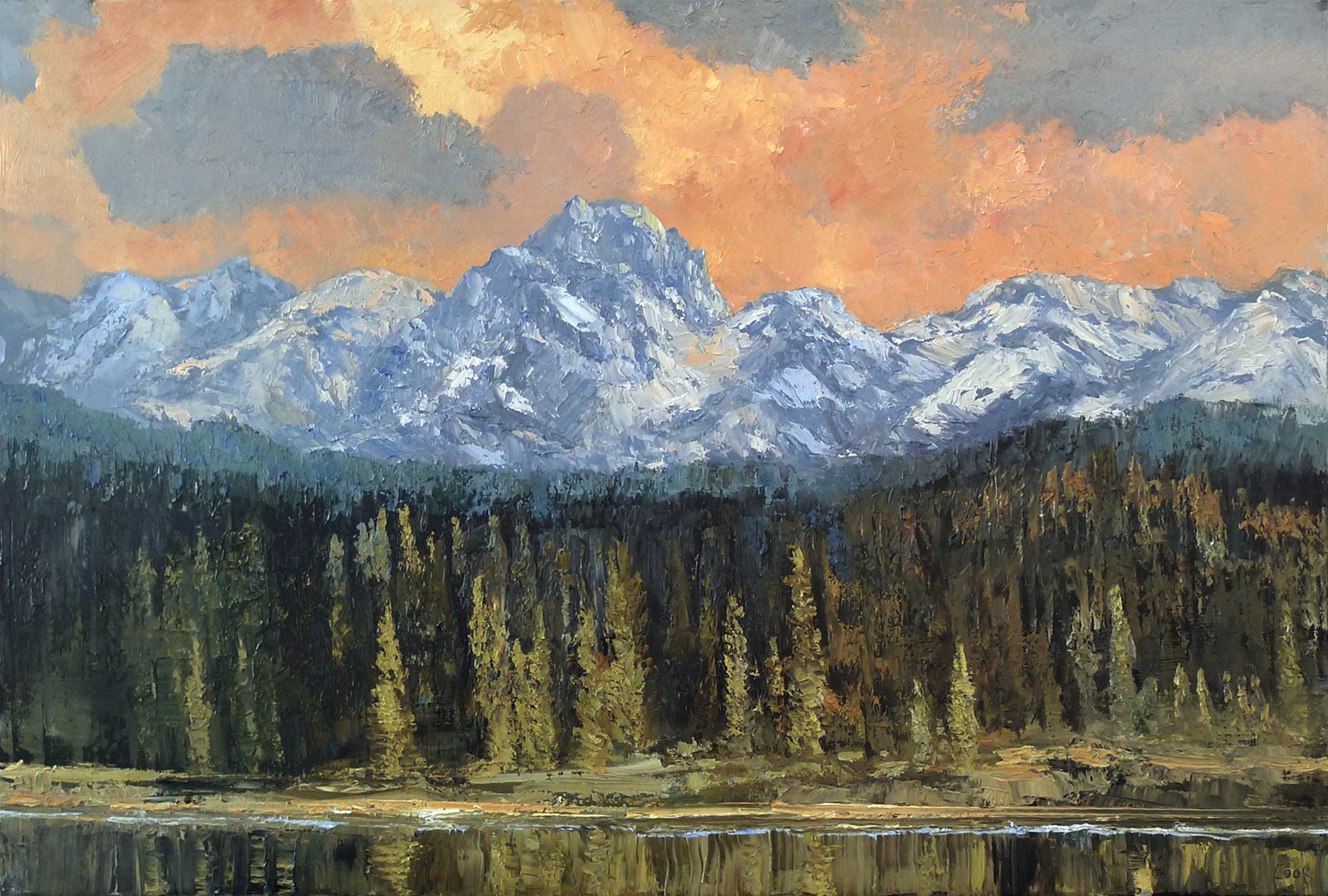
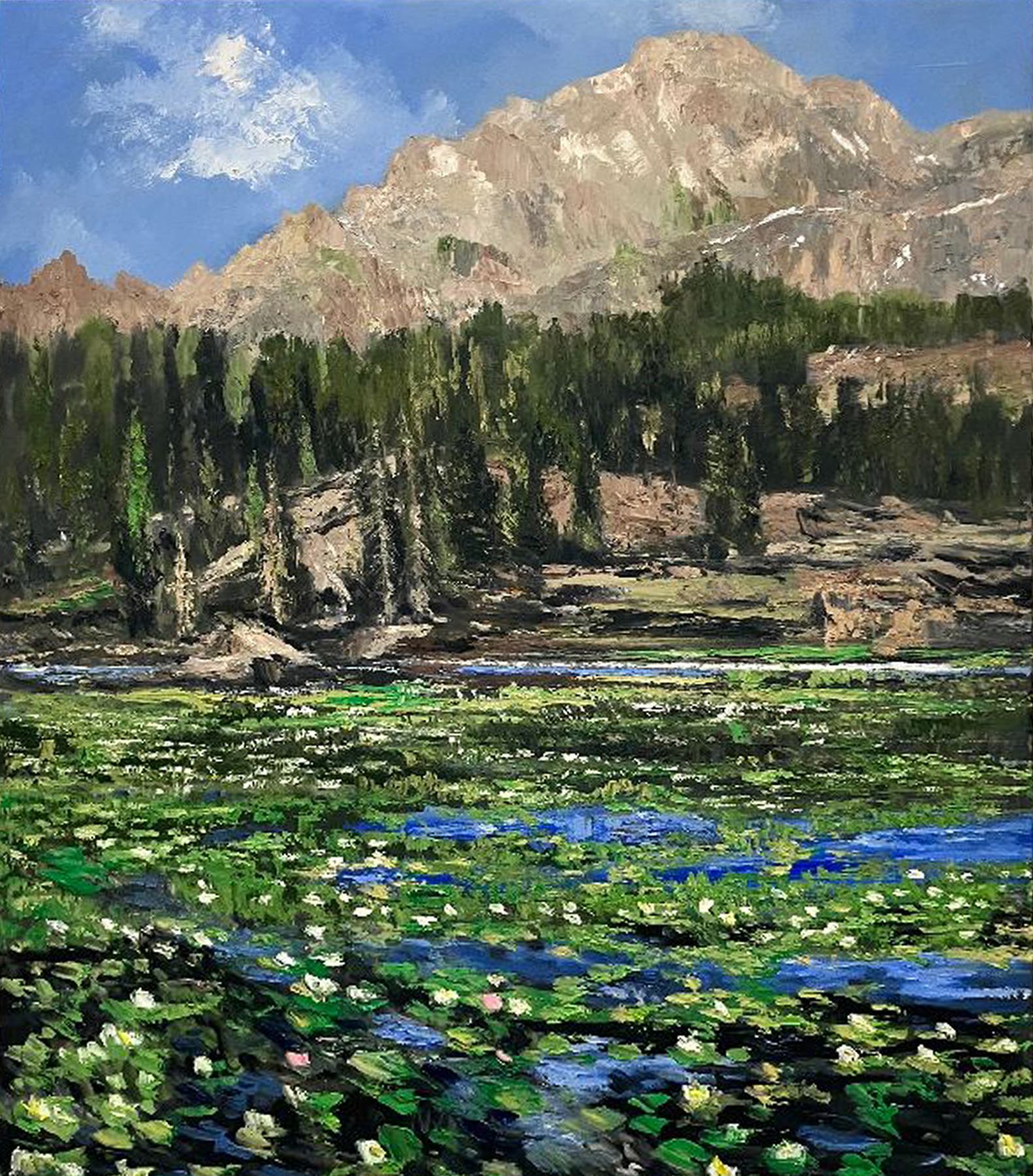
As longtime lovers of the great outdoors, we selected works by American artists that illustrate the splendor of America’s diverse landscapes and flora. From the peaks of Colorado to forests of snow-covered aspens, nature, in all its majestic variety, is the exhibition’s defining presence.
We are sincerely grateful to the artists and curators who contributed to this MacArthur House exhibition, and we hope these works inspire you to enjoy the natural wonders of both the United States and Japan.
Ambassador George E. Glass and Mrs. Mary Glass
Tokyo, Japan
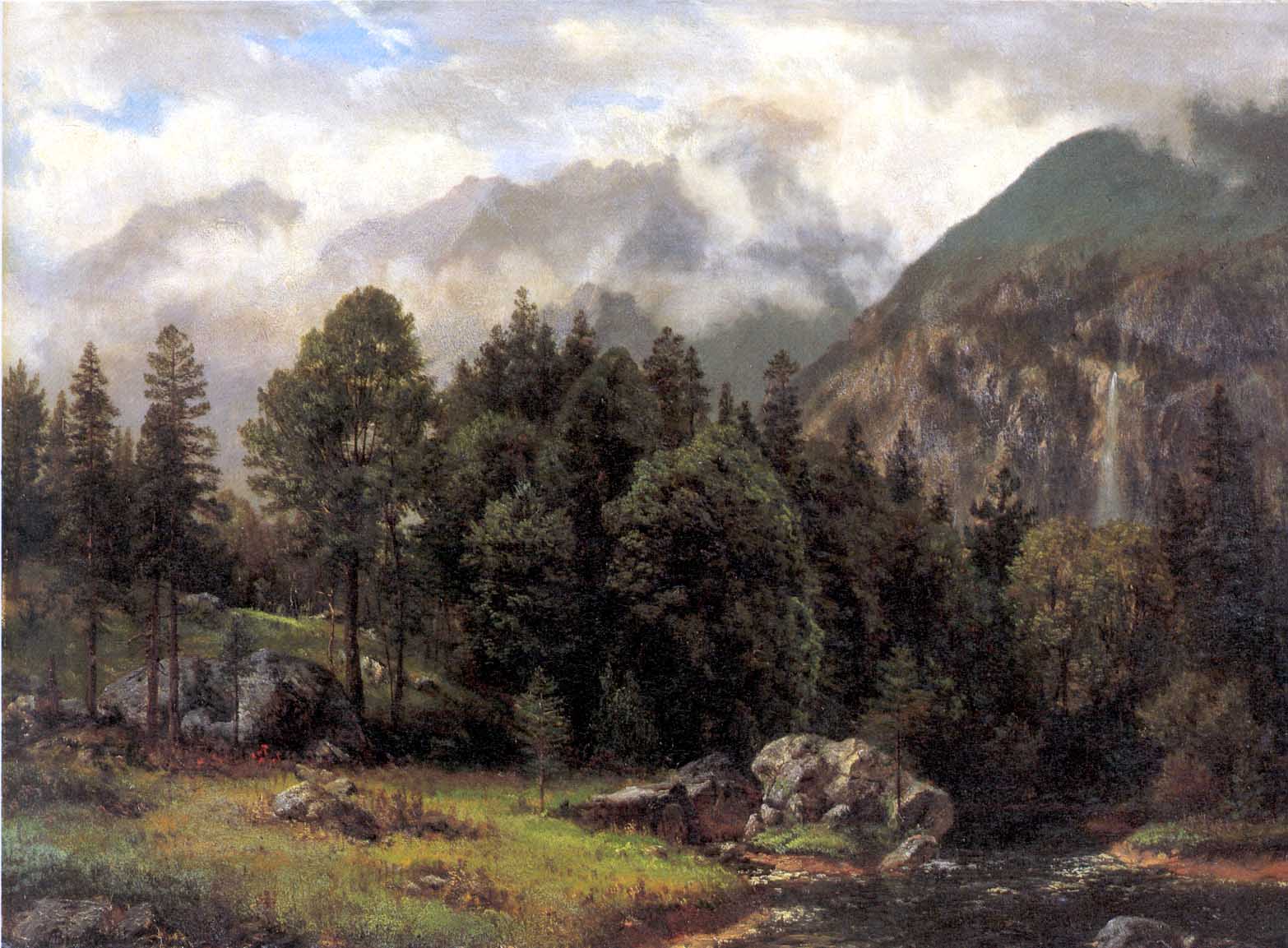
Albert Bierstadt was a German American painter best known for his expansive views of the American West. Raised in New England, he trained in Düsseldorf in the early 1850s, working alongside painters associated with the Düsseldorf Academy—most notably Emanuel Leutze—and absorbing the school’s emphasis on precise drawing and dramatic atmospheric effects. His first western expedition in 1859, undertaken with a government survey team, provided subjects that shaped many of his most admired works.
Regarded as one of the foremost painters of western landscapes in the nineteenth century, Bierstadt was associated with the Hudson River School—an informal circle of painters interested in the American landscape. He became renowned for his meticulously detailed compositions, dramatic use of light, and sweeping vistas that defined his interpretation of the American wilderness.
“A simple exploration of color and light through the vehicle of recognizable images” is how Divit Cardoza characterizes his practice. He studied fine arts at the University of Oregon, Eugene, and Boise State University, Idaho, and has worked as an artist for more than forty years. His paintings often depict the forests, meadows, and changing seasons of the Idaho landscapes where he has lived and worked for most of his career. He aims “to capture the light of a particular moment and the emotion it creates.” Cardoza works primarily in watercolor and oil pastel, with a focus on the shifting qualities of light and color in familiar terrain.
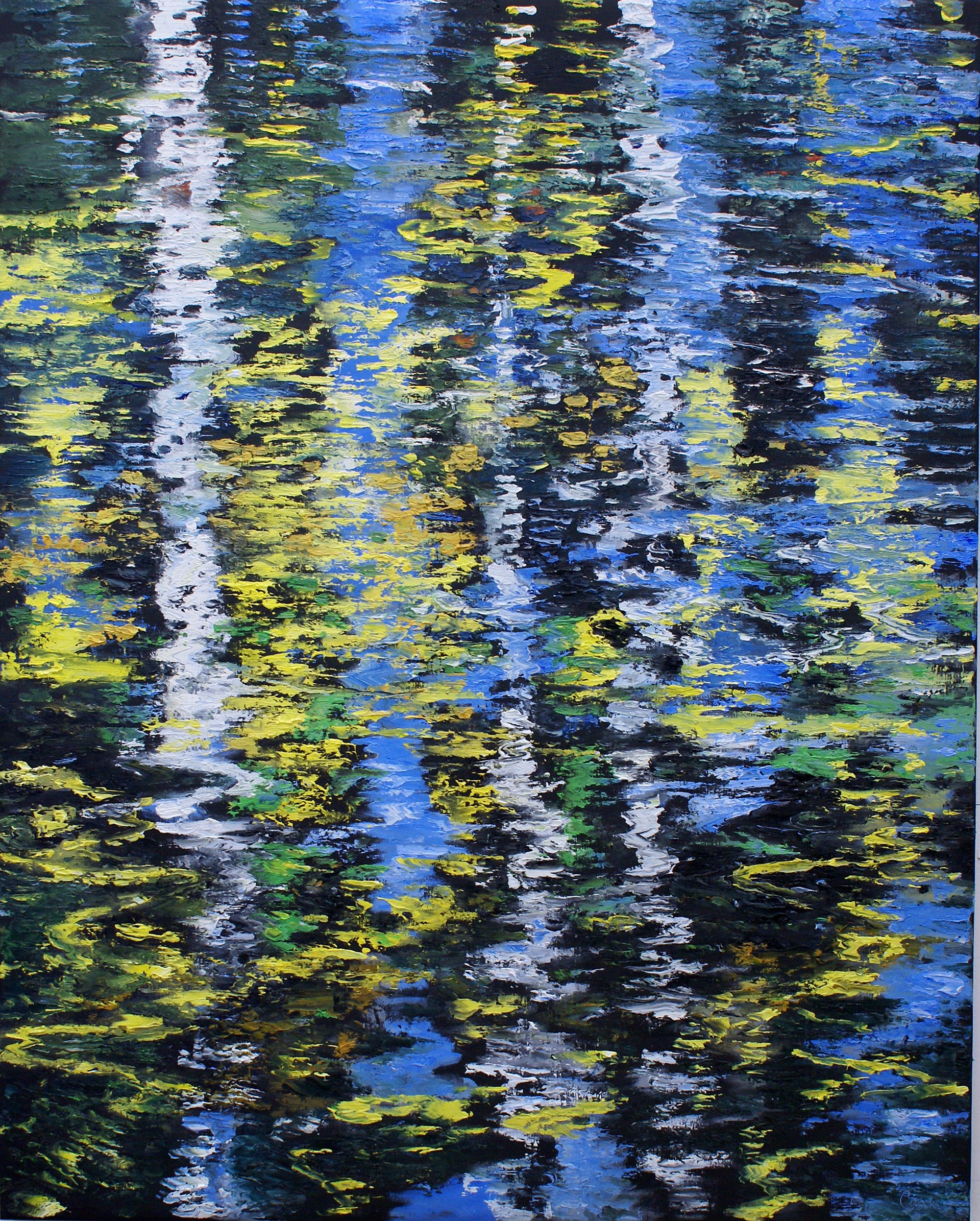
A native of Kansas, painter James Cook now lives in Tucson, Arizona, and creates work in the tradition of American landscape painting. Cook compares himself to the abstract expressionists because his practice is grounded in the physical process of painting. Yet his works are representational—richly colored, highly textured compositions that represent nature and the world around him.
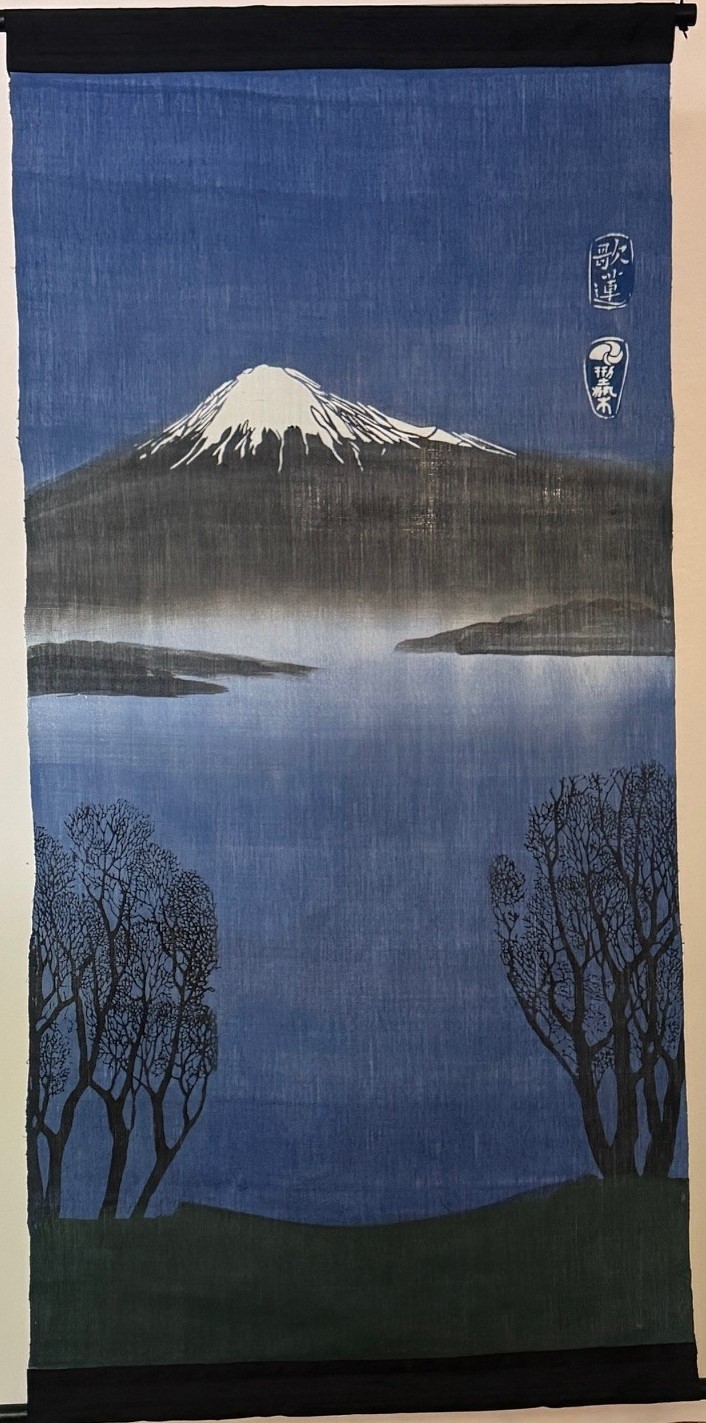
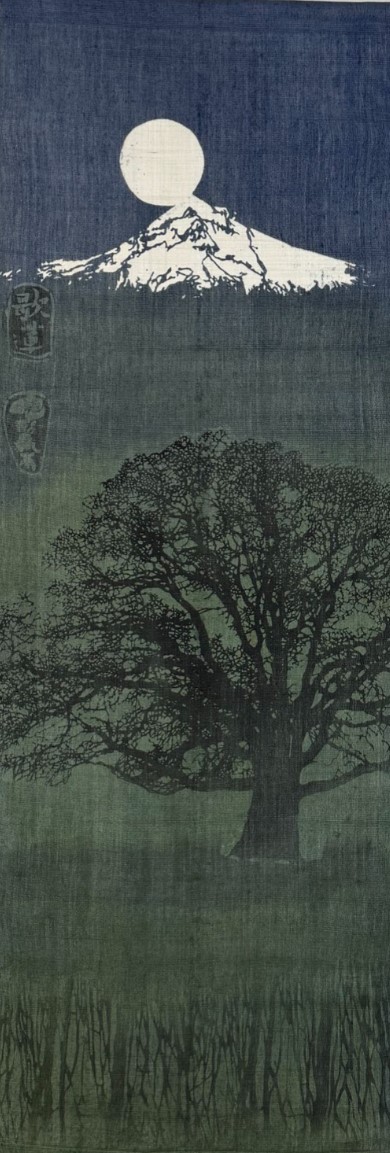
Oregon-based fiber artist Karen Illman Miller specializes in Katazome, a traditional Japanese stencil-dyeing technique that uses paper stencils and a rice-paste resist to guide the application of color. Introduced to this process in 1994, she found it central to her practice. “Katazome allows me to separate the production of the image from the application of color, a process more akin to printmaking than to painting,” she said.
Before shifting to fiber arts full time, Miller spent twenty-five years as a marine biologist at Oregon State University, Corvallis, where she studied the oxygen-binding proteins of octopuses. Her work reflects both her scientific background and the influence of her mother—a painter, illustrator, and needleworker—and her grandfather—a zoologist who lived and worked in Japan. Miller credits their guidance for her early and enduring interest in Japanese design.
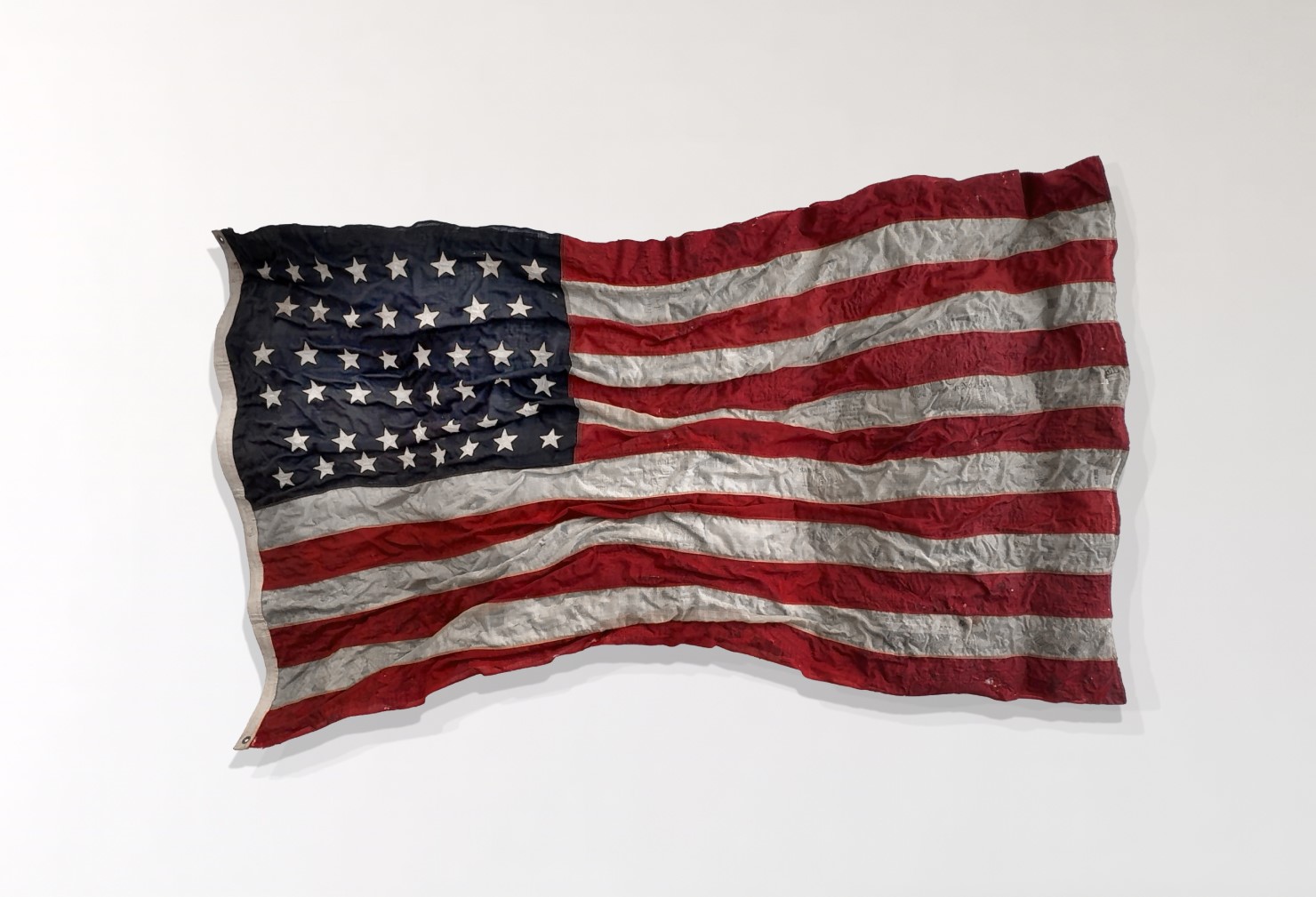
Brandon Ralph is a contemporary artist whose work is shaped by experiences of adversity, personal loss, and professional achievement. Working across photography, sculpture, and painting, he often combines iconic American imagery with recontextualized materials to explore memory, identity, and the tensions between individual experience and collective culture. His practice invites the viewer to reconsider familiar symbols and to reflect on the ways humor, irony, and resilience intersect in the stories we tell about ourselves and our communities.
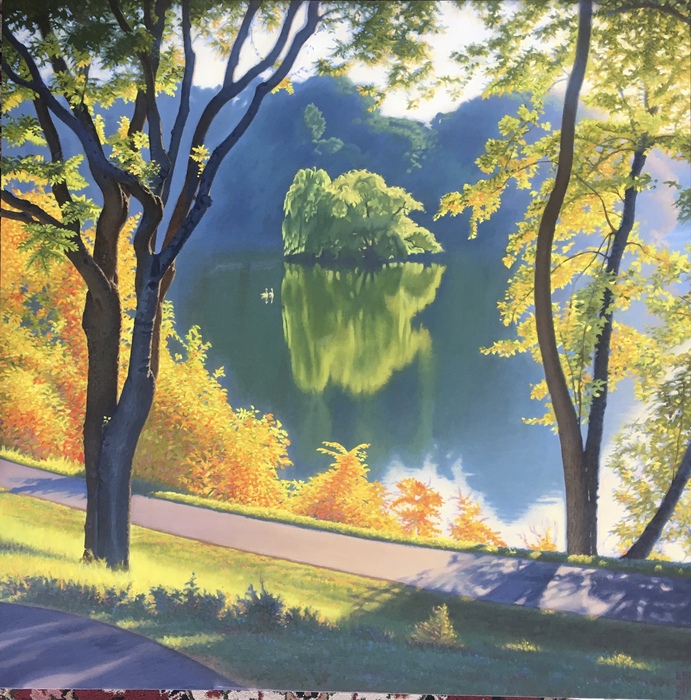
Ed Stitt’s interest in art emerged while studying at Kent State University, Ohio, where he also developed his faith that shaped his early sense of vocation. After graduating, he enrolled in the Gordon-Conwell Theological Seminary in Hamilton, Massachusetts, believing he might be called to missionary work. Ultimately, however, he decided that he was better suited to painting, rather than to ministry—a decision that set the course of his career. Stitt remained in the Boston area, where he has lived, painted, studied, and taught for more than forty years.
He earned his Master of Fine Arts degree at the Massachusetts College of Art and Design, Boston, in 1987, and since then Stitt has been teaching art in an adjunct capacity at several higher education institutions. He describes his style as “Optimistic Realism” because his work focuses on the beauty he sees in the everyday. Stitt is also interested in capturing the “Golden Moment,” which he defines as when the subject has a timeless beauty.