


The State Department’s Office of Art in Embassies has for decades celebrated America’s artistic contribution throughout the world as a cornerstone of our cultural diplomacy. In curating these exhibitions, the office seeks to represent the United States while connecting people on a personal level—a value that guided me as we selected works for the official Ambassador’s Residence in Vienna.
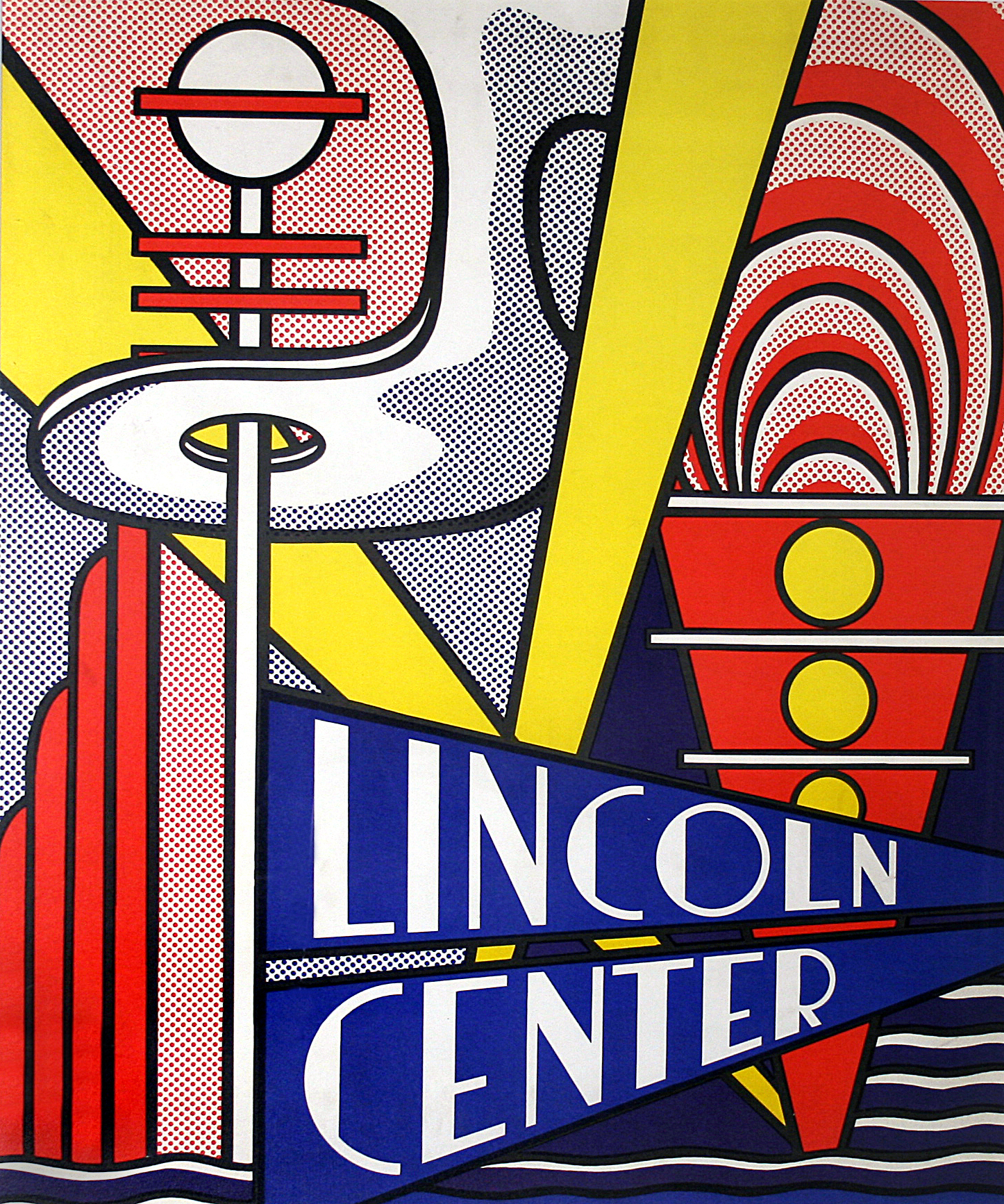
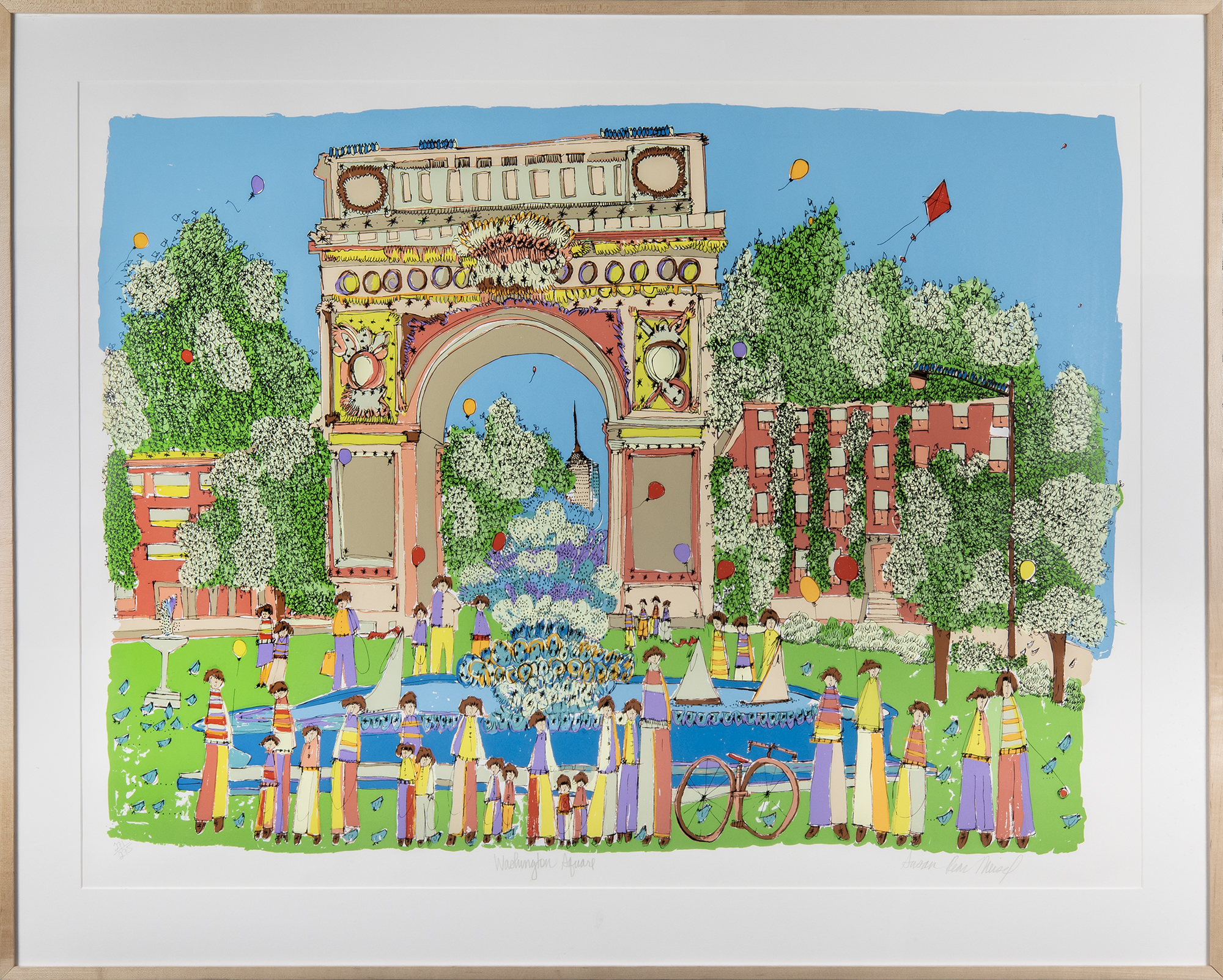
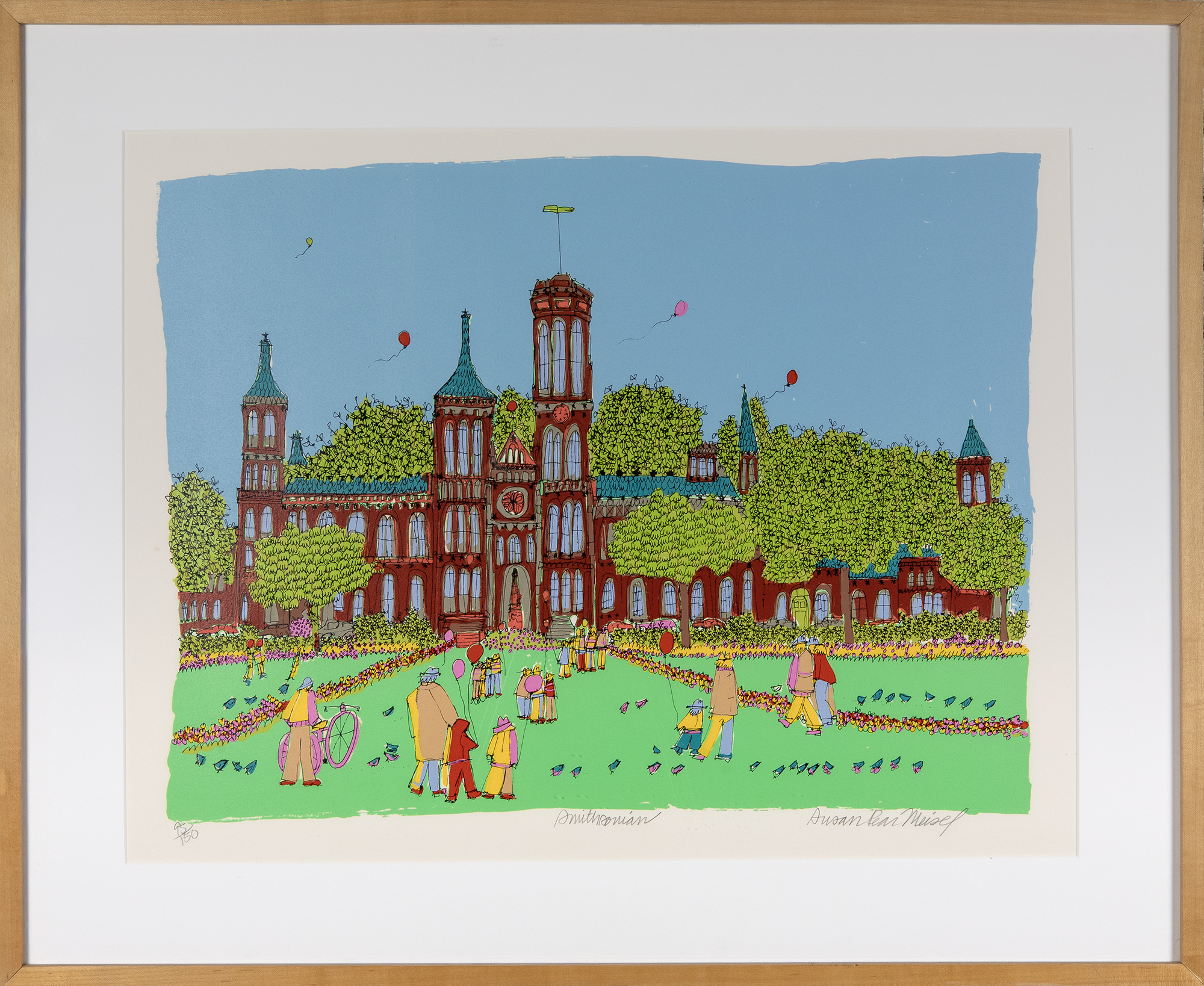
For me, the art in this exhibition reflects the innovation and vitality of the American spirit and the American story that have resonated around the world for 250 years. From Roy Liechtenstein’s groundbreaking pop imagery—seen here in the Lincoln Center lithograph— to Susan Pear Meisel’s vibrant interpretations of American institutions, such as Smithsonian and Washington Square, these artists bring unique perspectives to their craft, merging popular and high cultures.
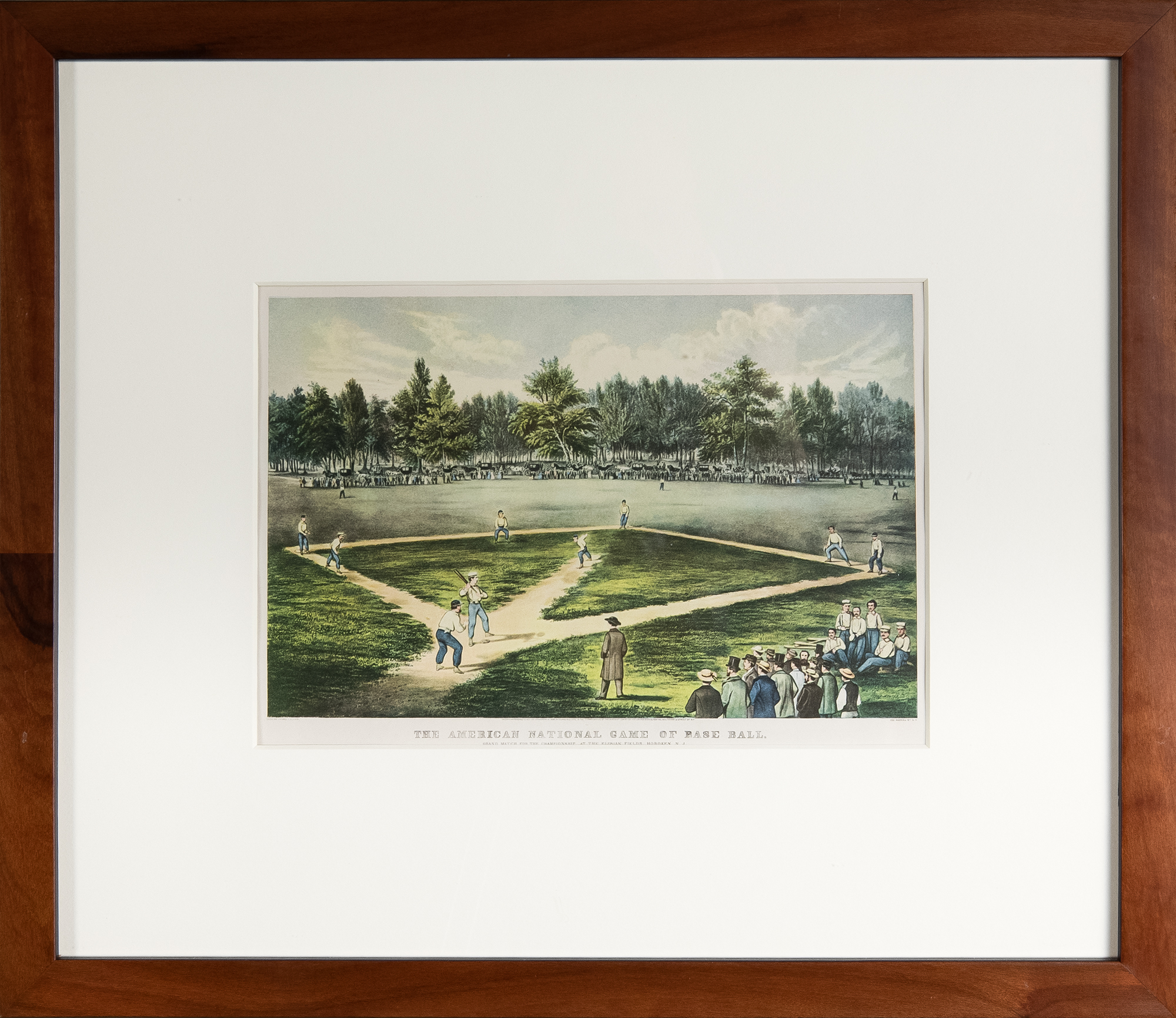
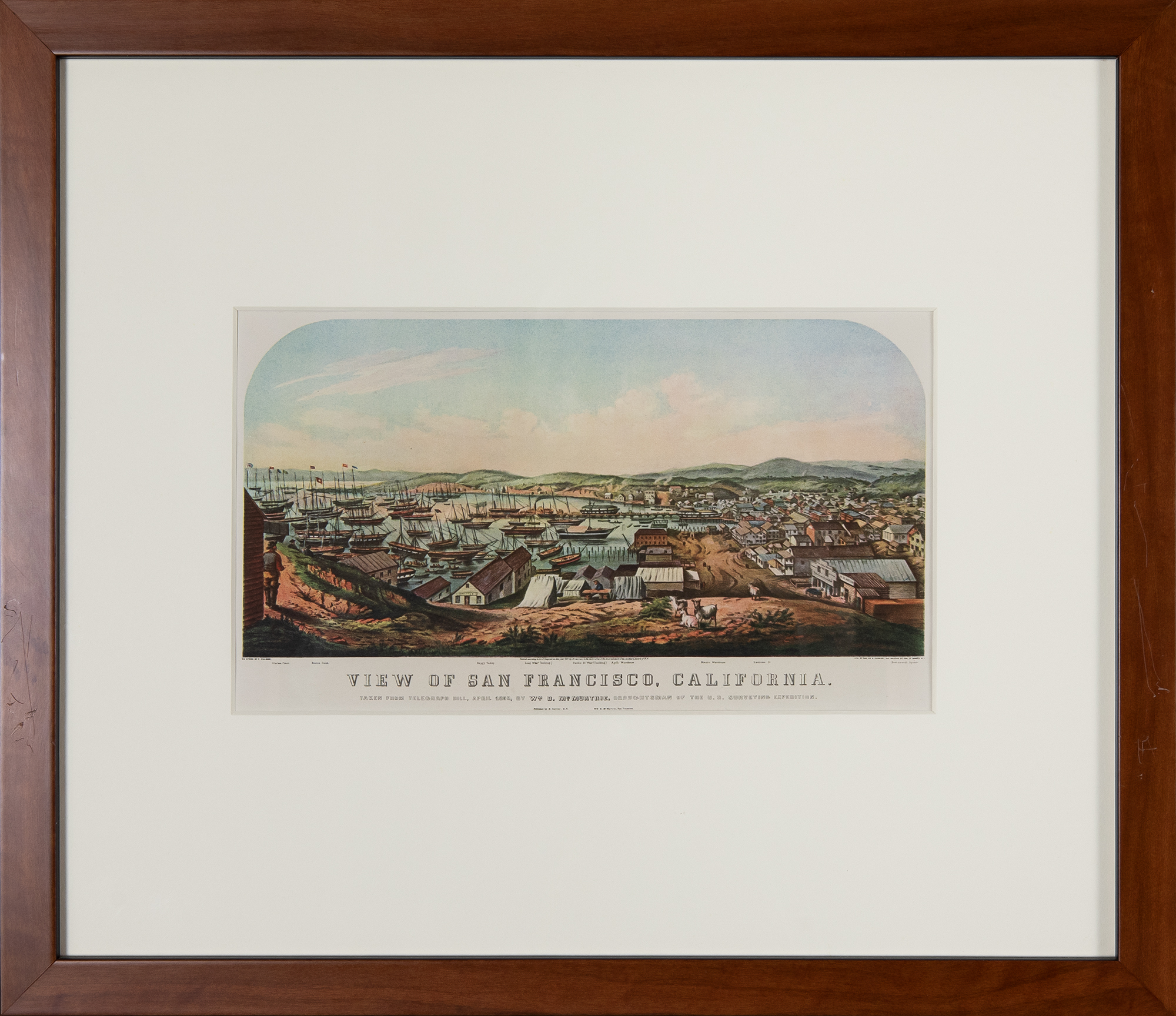
Originating from the creative partnership of master lithographers Nathaniel Currier (1813—1888) and James Merritt Ives (1824—1895), Currier and Ives produced prints and lithographs documenting nineteenth-century American life across rural and industrial settings. Describing their business as “Publishers of Cheap and Popular Pictures,” Currier and Ives produced a wide range of prints, including disaster scenes, sentimental images, sports, religion, politics, and historical portraits. Currier and Ives produced more than 7,500 different titles, totaling over one million prints between 1835 and 1907.
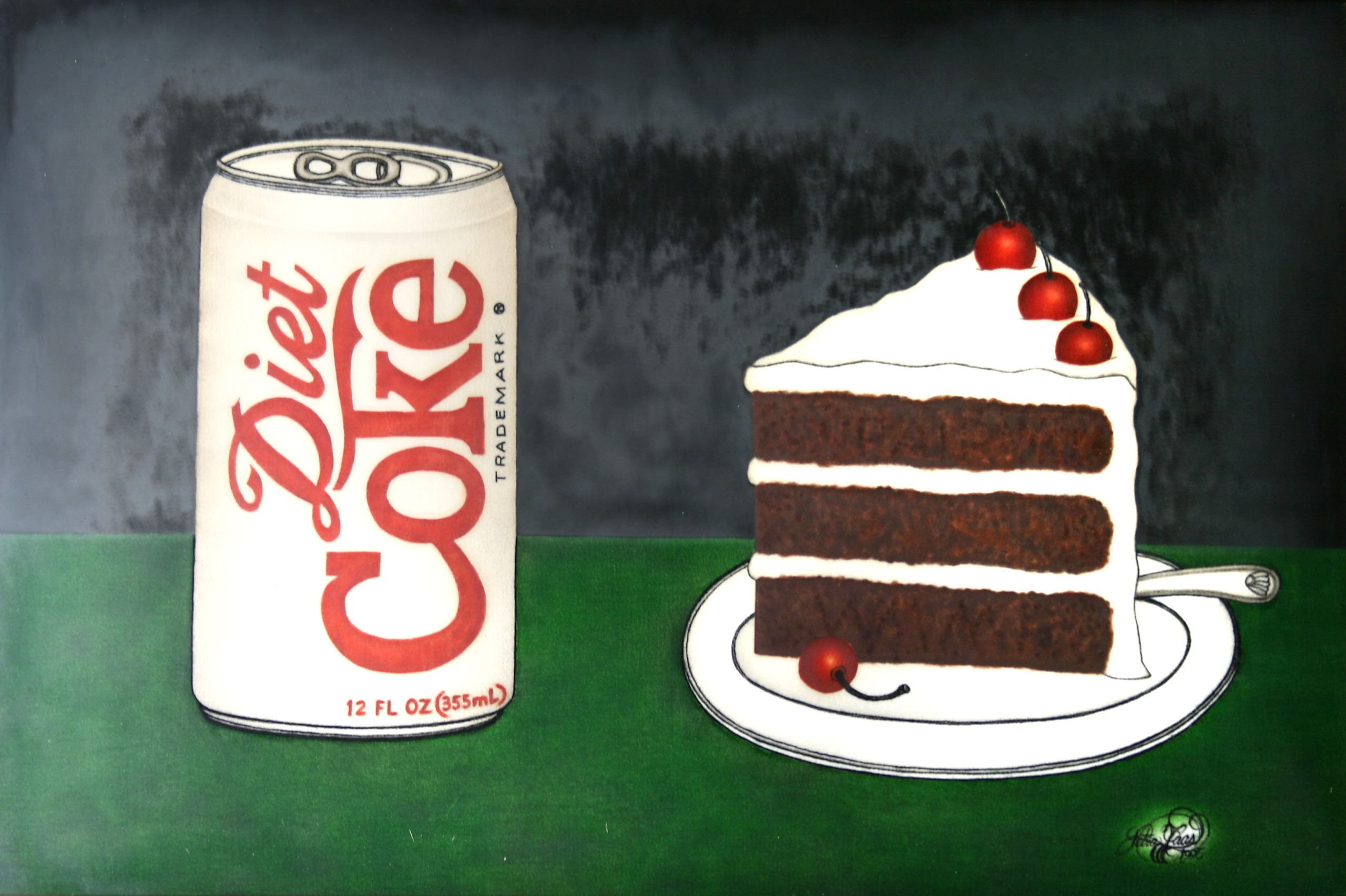
Petra Haas concentrates her work on theorem still-life painting, an early nineteenth-century technique made on cotton velveteen, silk, or watercolor paper using stencils. Once the composition has been stenciled, the artist carefully applies paint to create depth and tone. Haas adds a quirky, modern twist to this traditional method with contemporary imagery, painting not only flowers, bowls of cherries, and fruit baskets but also brand names such as Miracle Whip and Scott toilet tissue. The Great American Diet, which depicts a slice of chocolate cake and Diet Coke, is elegantly humorous and skillfully blends old and new. Haas explained that having time for experimentation has made all the difference in her work: “I truly feel that I haven’t painted my best piece yet…That’s how your art keeps growing. It stays alive this way because you’re always looking for new ideas and new directions.”
Haas lives and works in the township of Olney in Berks County, Pennsylvania. A member of the Pennsylvania Guild of Craftsmen, she has taught courses in craft at the Mercer Museum, Doylestown.
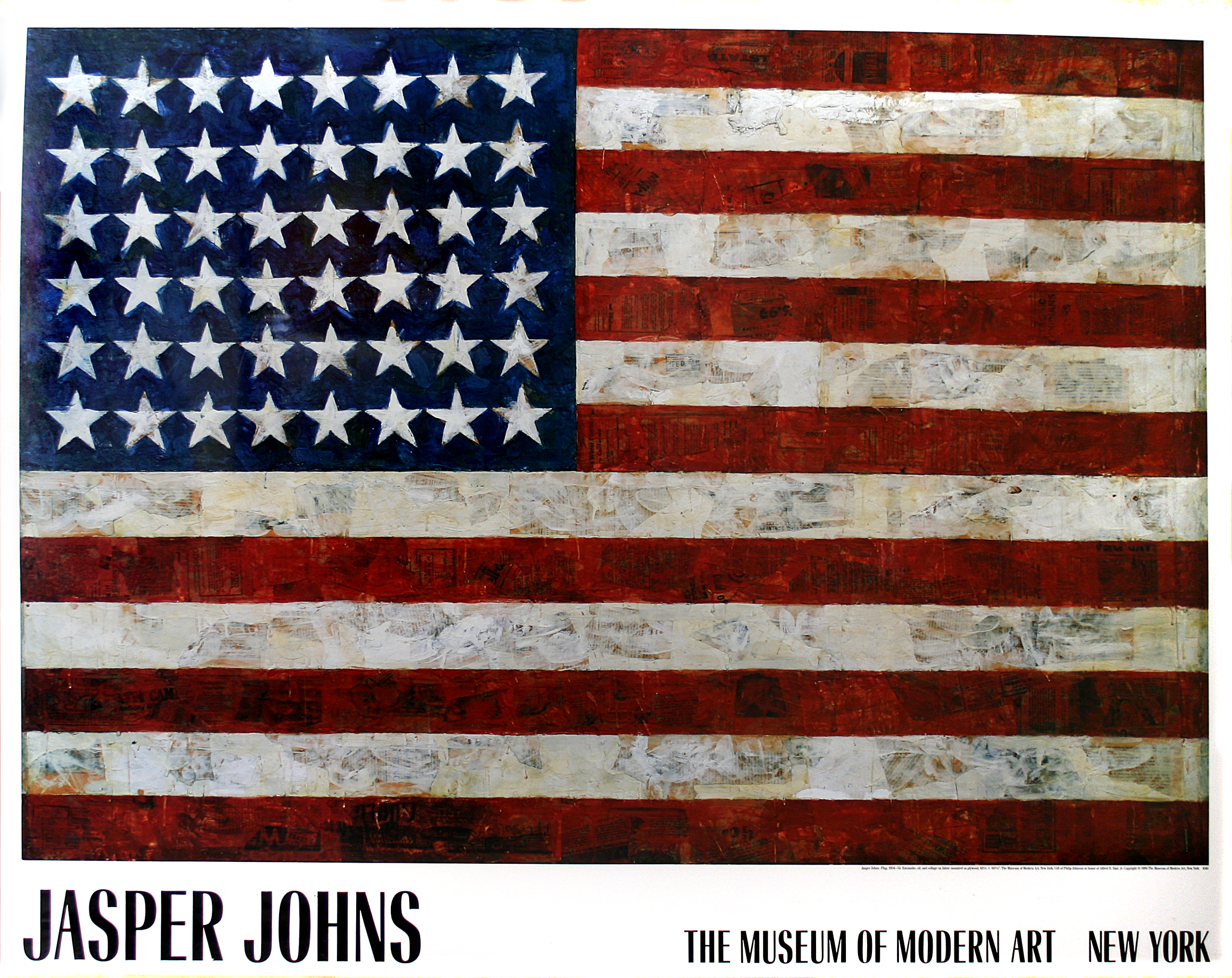
Jasper Johns creates drawings, sculptural objects, and paintings that challenge conventional notions of art and depict “the things the mind already knows.” Often painted in encaustic on canvas or newsprint, his compositions feature ubiquitous symbols, including targets, numbers, and American flags. Although the meaning of his flag series remains open to interpretation, one theory is that in 1954 Johns dreamt that he painted a flag, and then he started doing it every morning for the next five years. His use of everyday subject matter marked a departure from abstract expressionism; while his work borrows its visual language, his “use of these techniques stressed conscious control rather than spontaneity.”
Born and raised in the American South, Johns moved to New York City to pursue his art career, attending the Parsons School of Design for a semester and later befriending fellow artist Robert Rauschenberg. After his solo debut at the Leo Castelli Gallery, New York, he continued to exhibit there for more than forty years. Johns lives and works in Sharon, Connecticut.
Often credited as one of the founders of American pop art, Roy Lichtenstein was an innovative painter, printmaker, and sculptor who helped define the post-World War II American art scene. Raised in New York City, he was exposed to the city’s cultural life at an early age. He received a traditional art education under realist painter Reginald Marsh at the Art Students League in New York, and his early artistic influences included Rembrandt, Honoré Daumier, and Pablo Picasso.
It wasn’t until the early 1960s that Lichtenstein developed his signature style using imagery found in advertising and comic books. He rendered each figure with his trademark Ben-Day dots, a patterning technique derived from commercial printing, to create texture and tonal variations. Lichtenstein noted that he “gravitated towards what he would characterize as the ‘dumbest’ or ‘worst’ visual item he could find and then went on to alter or improve it.” This process of reworking familiar images became a defining feature of his art.
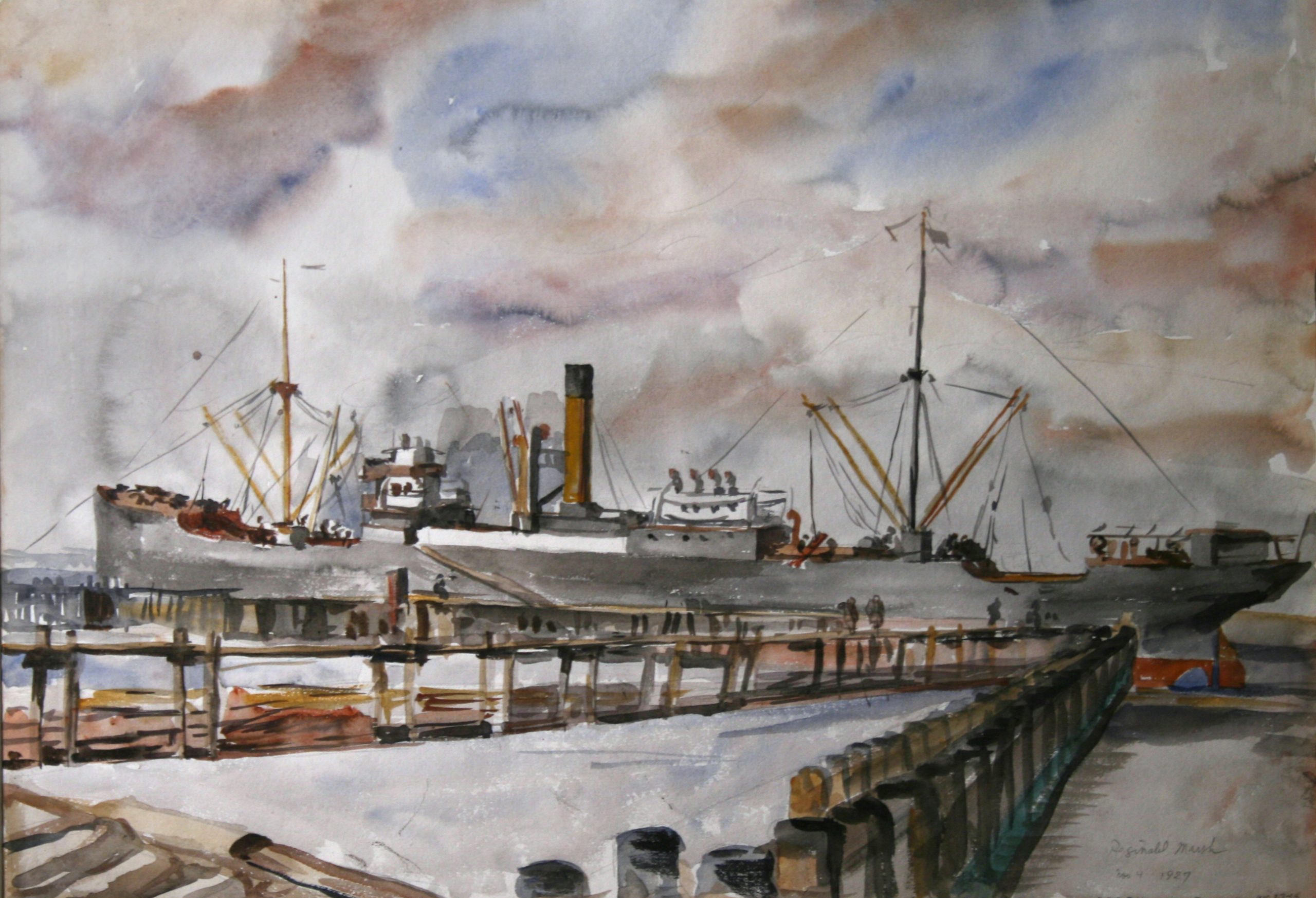
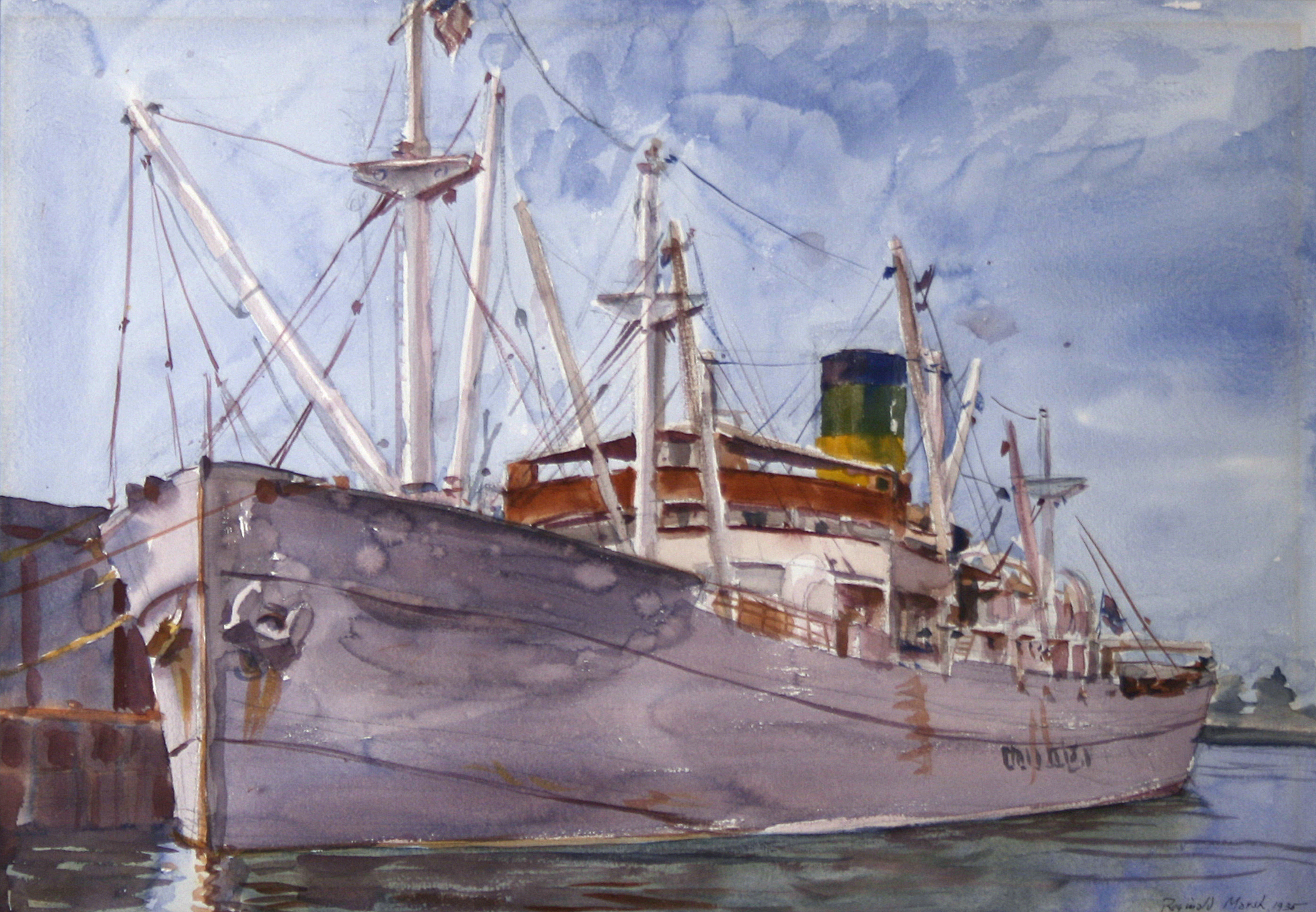
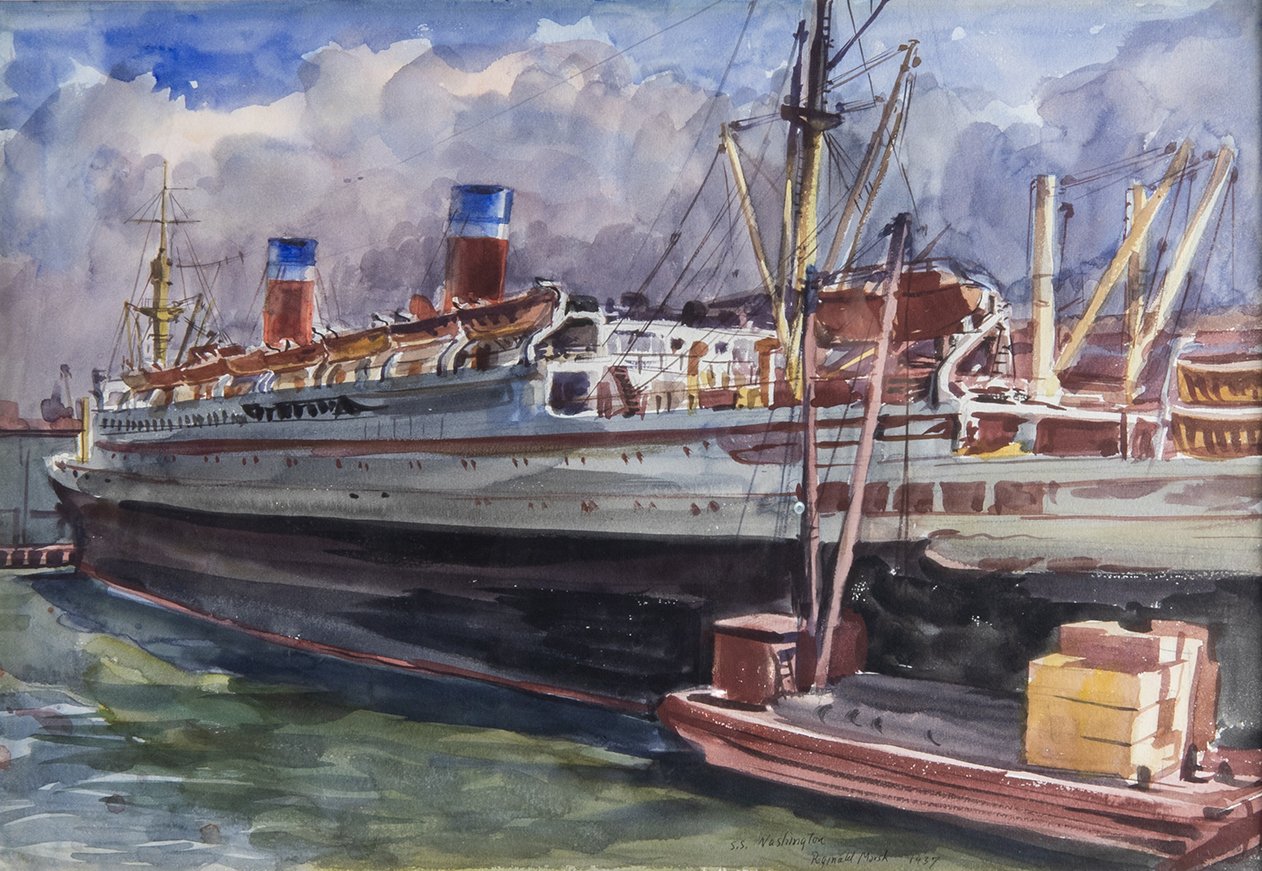
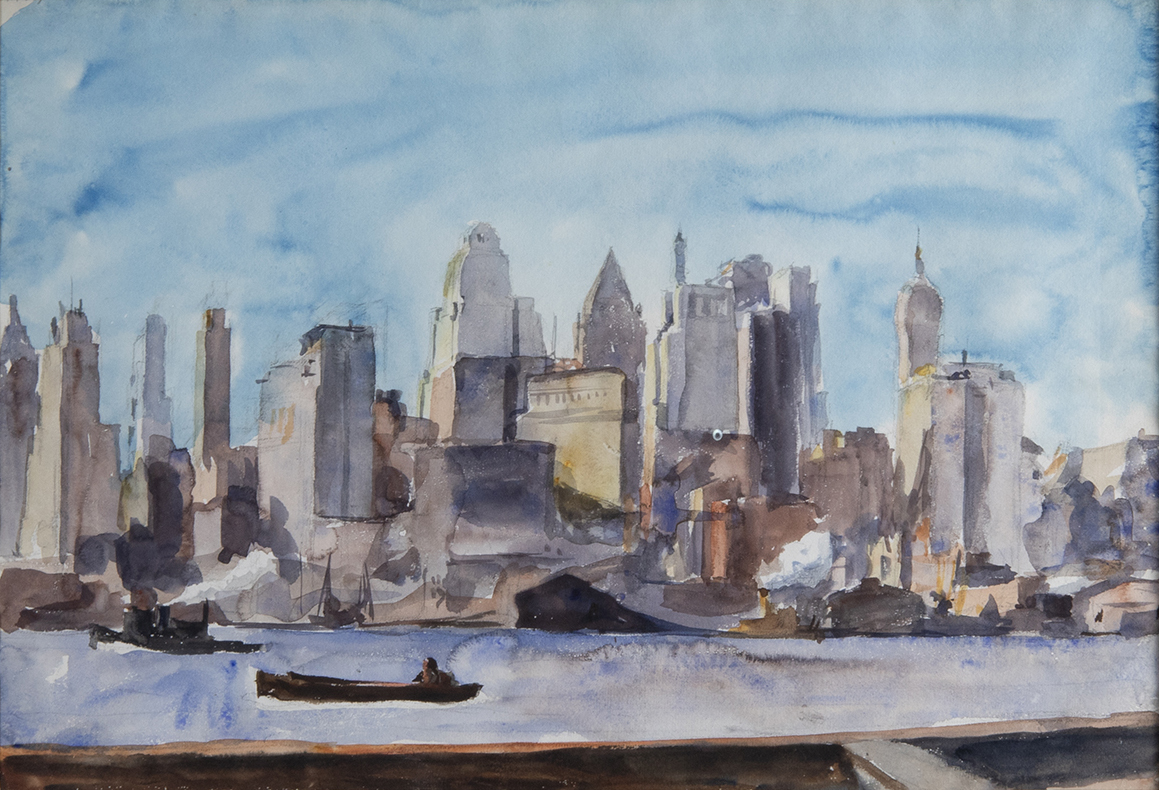
Painter, illustrator, and printmaker Reginald Marsh was renowned for his depictions of burlesque shows, throngs of crowds at Coney Island, and bustling ship harbors. Working in egg tempera, oil, ink, and watercolor, he observed everyday life in a style associated with the social realist tradition. Although primarily known for his paintings of New York City, Marsh also documented his travels throughout the United States and abroad, sketching on location and using photographs as reference.
Born in Paris to artist parents, Marsh and his family immigrated to New Jersey when he was two years old. He graduated from Yale School of Fine Arts, New Haven, Connecticut, and provided illustrations to many publications, including the New Yorker, Harper’s Bazaar, Esquire, and Life. His work is in the collections of such museums as the National Gallery of Art, Washington, D.C.; the Metropolitan Museum of Art, the Whitney Museum of American Art, and the Museum of Modern Art, all in New York; and the Art Institute of Chicago, among many others.
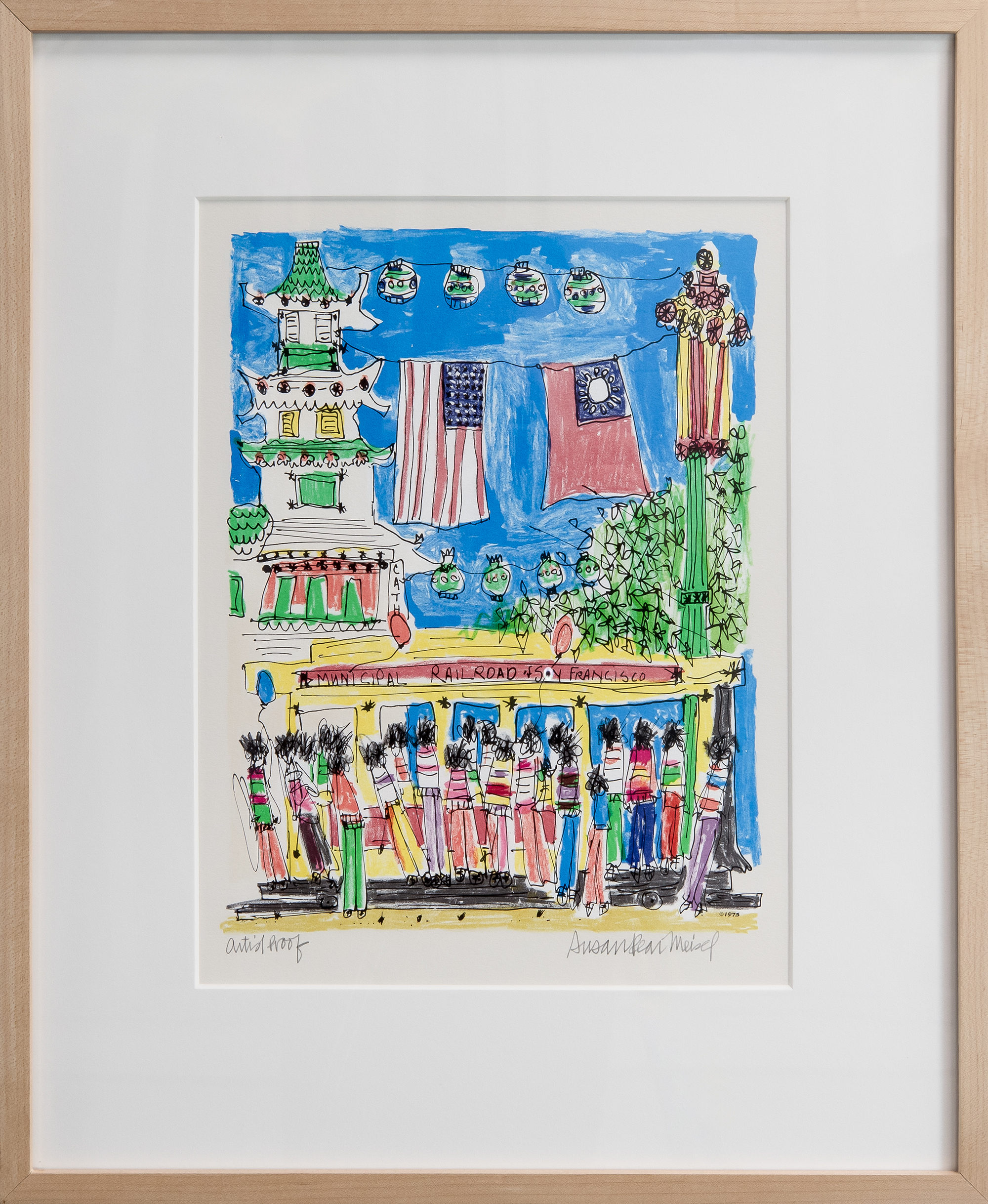
For over fifty years, Susan Pear Meisel has painted colorful, vibrant scenes of landmarks in New York, Washington, D.C., and other major cities across the United States. Whether working in silkscreen, lithography, or acrylic on canvas, she builds color through layered inks, creating surfaces that are both vivid and visually dynamic.
Meisel studied at the Art Students League, the School of Visual Arts, and Parsons School of Design, all in New York. She helped establish the Louis K. Meisel Gallery in New York’s SoHo neighborhood, where it continues to exhibit photorealist artists, realist painters, and sculptors. Her work is included in the collections of the Aldrich Contemporary Art Museum, the Erie Art Museum, and the Library of Congress.
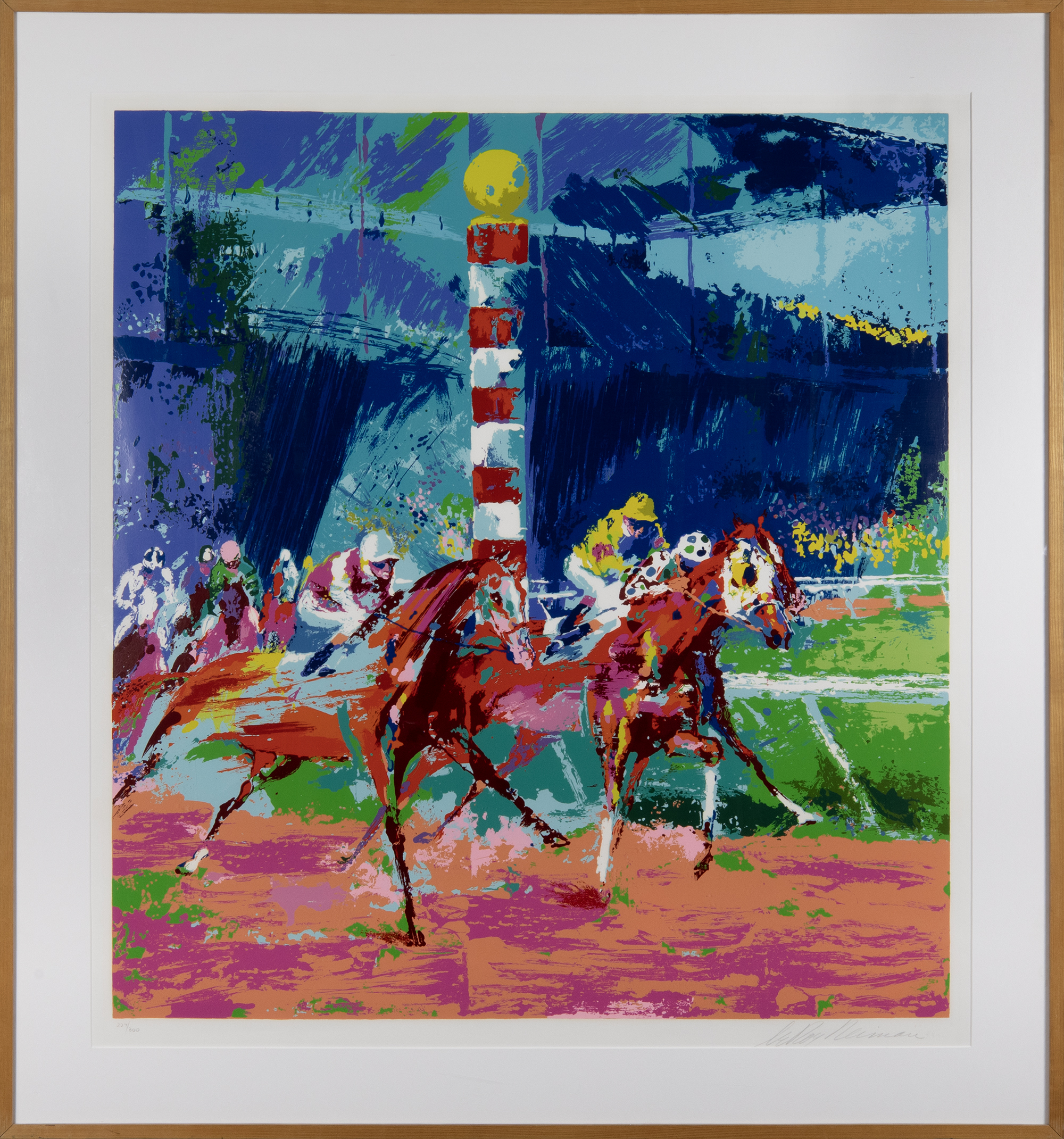
LeRoy Neiman’s work merged “a Pop Art sensibility with impressionist brushwork and vibrant color.” Known for his rapid, gestural painting technique, he captured scenes of sport, entertainment, and leisure with an emphasis on movement and spectacle. As he noted, “I do not depart from the colors borrowed from life. But I use color to emphasize the scent, the spirit, and the feeling of the thing I’ve experienced.”
Neiman began his career creating posters for local merchants before serving in the United States Army, where he painted stage sets for productions organized by the American Red Cross. He later studied at the Saint Paul School of Art—now the Minnesota Museum of American Art, Saint Paul—and the School of the Art Institute of Chicago, where he taught drawing and fashion illustration. Neiman was the official artist of five Olympic Games, often painting or sketching on live television.
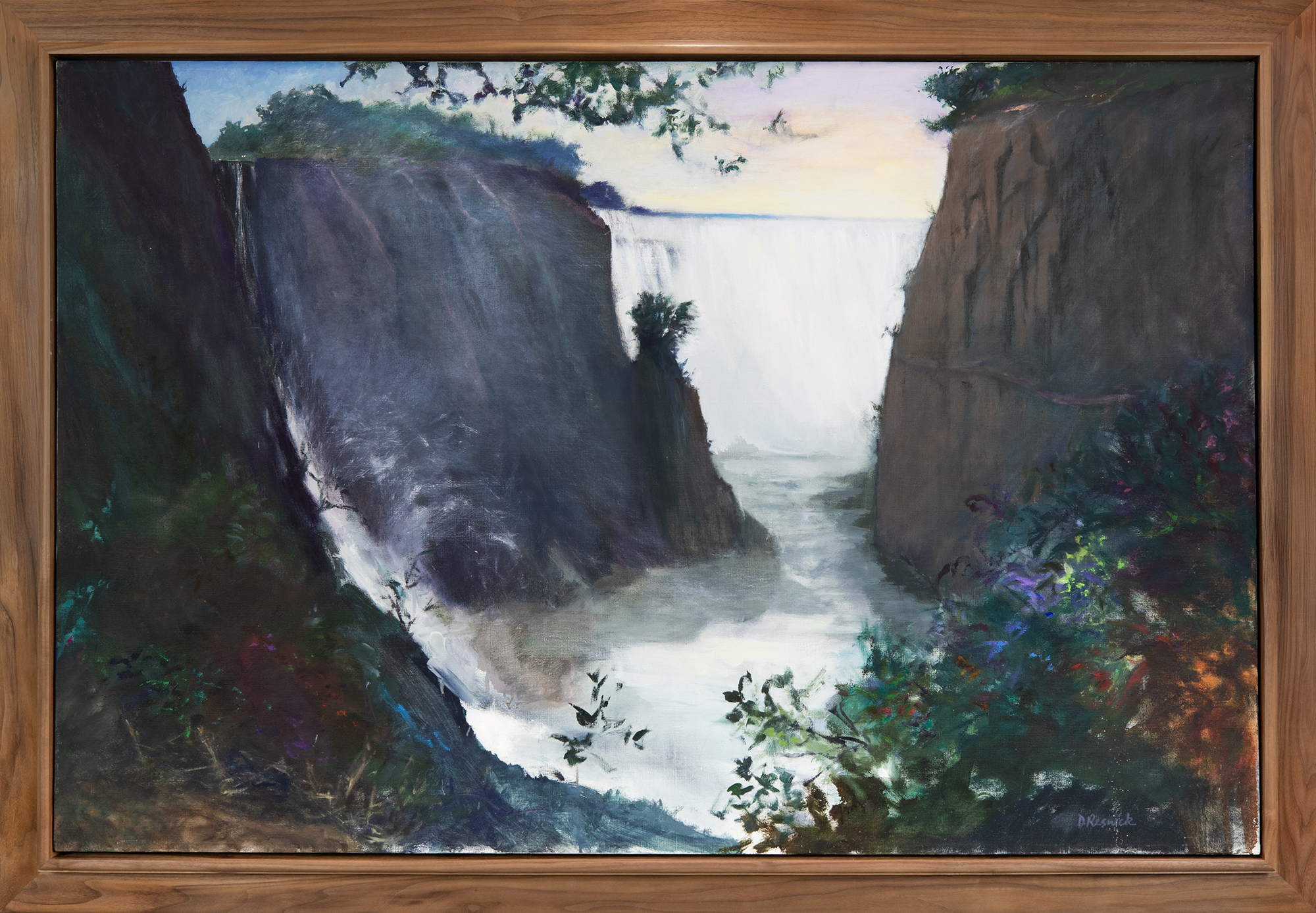
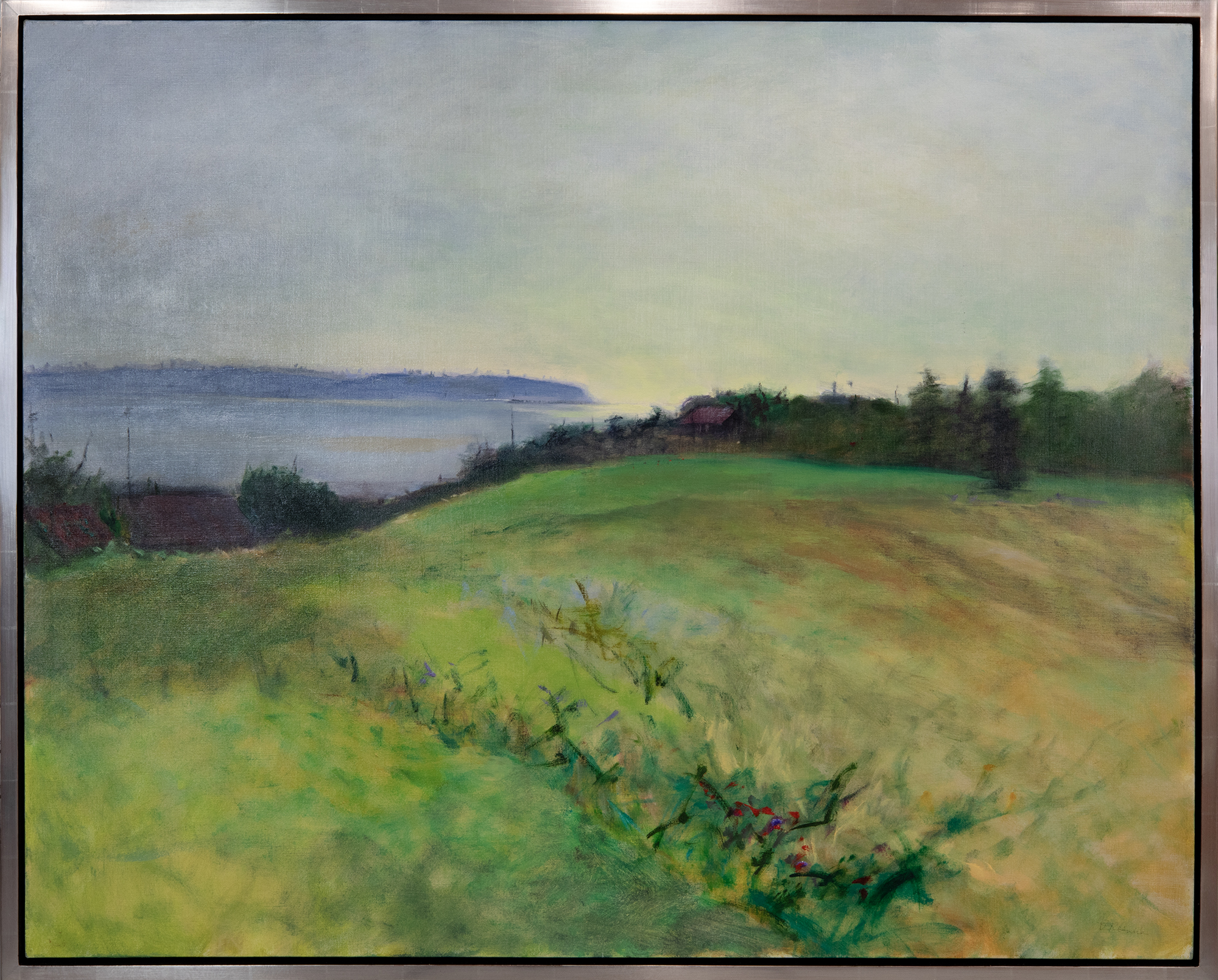
Don Resnick was a landscape painter drawn to the beauty and magnificence of Long Island, New York’s terrain, sea, and sky. Resnick would sketch and draw from nature, but he never painted outdoors. Depicted with loose brushwork and “watercolor-like lucidity,” his luminous paintings sought to communicate his vision of the environment. “The inspiration for my paintings is the intense experience of a place—its particular light, its particular space—at a unique moment in time,” he said.
Resnick lived and worked in Rockville Centre, Long Island, New York, until his death. He attended Hobart College, Geneva, New York; the New School for Social Research, New York; and the Internationale Sommerakademie für Bildende Kunst, Salzburg, Austria. His work is in several prominent collections, namely the New York Public Library; the Hood Museum of Art, Hanover, New Hampshire; and the Sheldon Museum of Art, Lincoln, Nebraska.
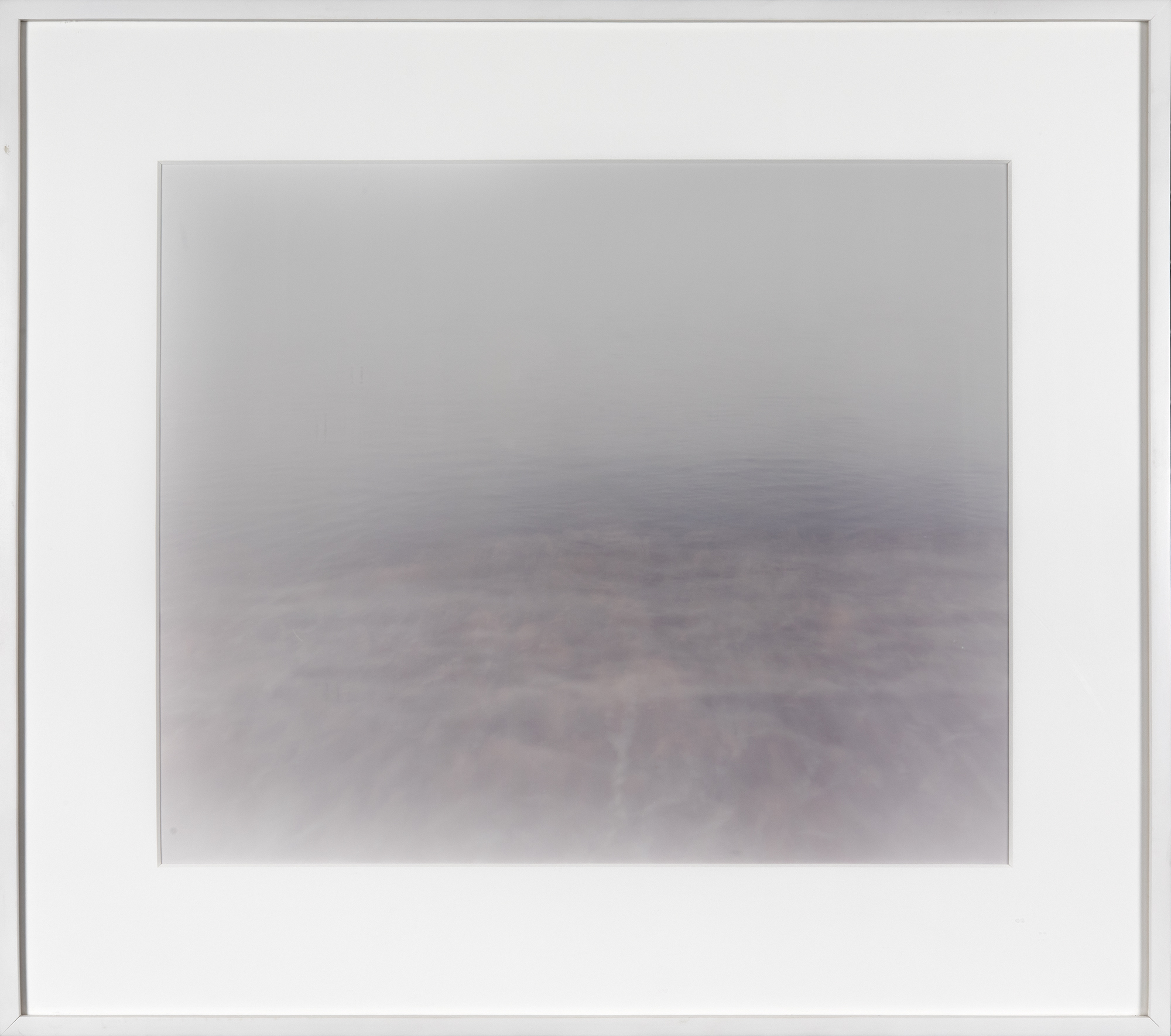
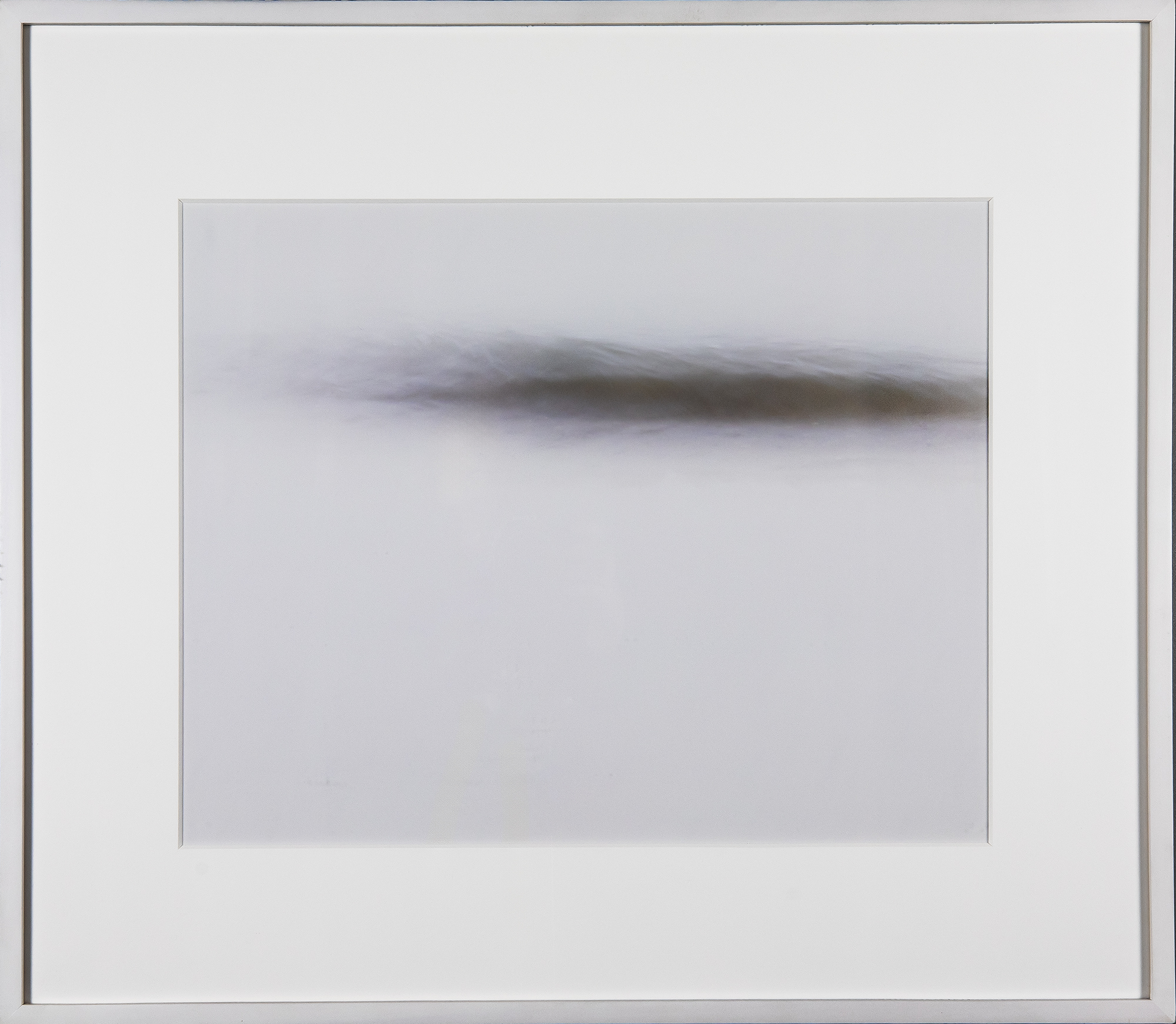
Elena Volkova is an interdisciplinary artist who works with historical and contemporary photographic techniques to explore complex themes of domesticity, liminality, and subjective experience. “When you gaze into the sky, are you aware that you are gazing into emptiness? Do you see the sky as a barrier between you and infinity? … While focused on natural elements, I am interested in the threshold between the two, their connotative values, and the ways in which they inform and question each other,” she says.
Ukrainian-born Volkova received both her Bachelor of Fine Arts and Master of Fine Arts degrees from the Maryland Institute College of Art, Baltimore. She has exhibited her work nationally and internationally and has received several recognitions and awards, including the Maryland State Arts Council Creativity Grant. She teaches photography at Stevenson University in Baltimore.
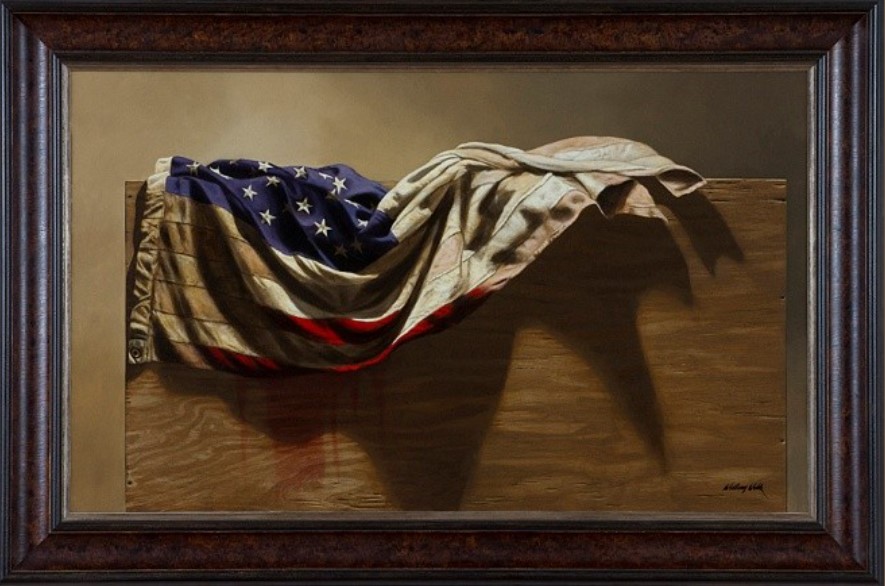
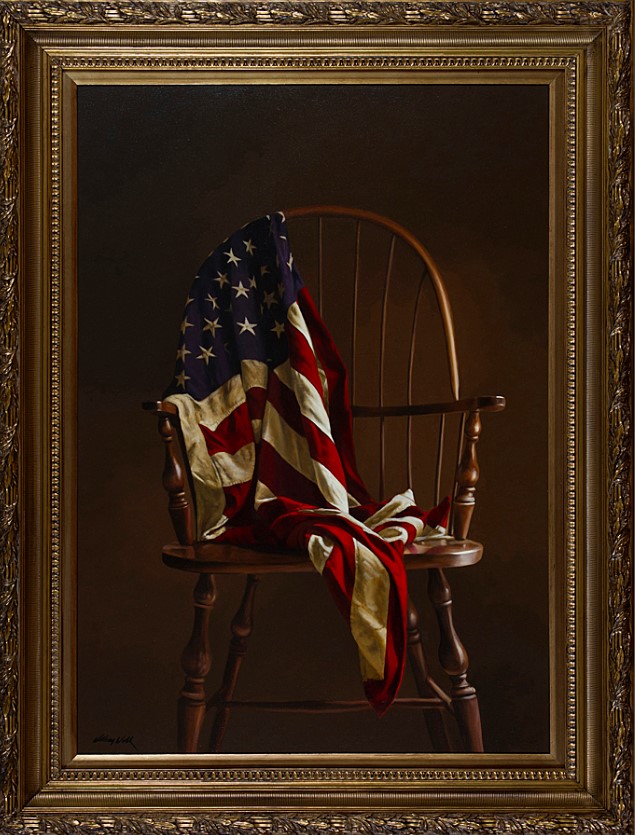
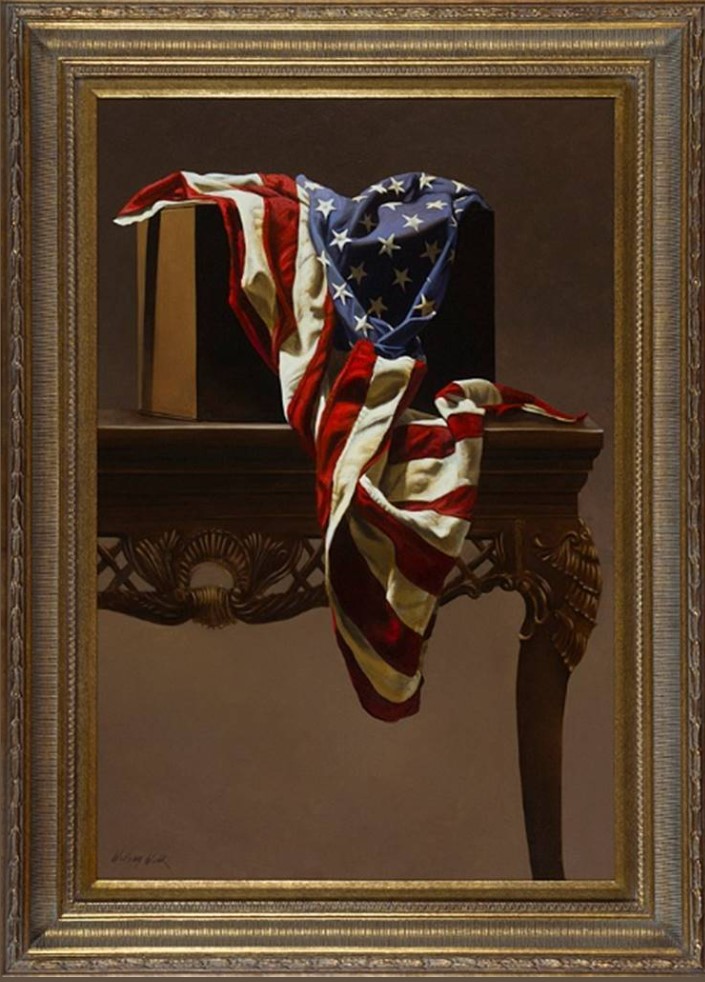
William Wolk was a realist painter known for his depictions of animals, landscapes, dancers and figures, and still life rendered with luminous color and grounded in classical technique. His series, The America Suite, consists of fourteen oil paintings that present the American flag as a formal still-life subject. Painted from carefully lit cotton flags, the works emphasize folds, tension, and surface detail. As Wolk noted, “Do we find the American Flag beautiful because of its physical attributes—the design of the stars and stripes and their colors—or because of something deeper: a spiritual connection to the patriotism that beats in our hearts, so intimately tied to the history of our forebearers? Perhaps it is both, inseparable at some point.”
Wolk studied drawing at the Ringling School of Art, Sarasota, Florida, and abroad at the Florence Academy of Art, Italy. In 2007, he was honored at the Oval Office, where his portrait of George W. Bush was inducted into the Presidential Collection. His work is also held in the collections of the Guilford College Museum of Art, Greensboro, North Carolina, and the USGA Museum, Liberty Corner, New Jersey.